Unique Pet-Rearing Practices in Norway
Norway, with its vast landscapes, cold climate, and rich cultural heritage, offers a unique environment for pet rearing. The country’s pets, particularly dogs, are often raised in ways that reflect the nation’s strong connection to nature, its emphasis on animal welfare, and the practical considerations of living in a country where winters can be harsh. This article explores these unique pet-rearing practices, focusing on the cultural, environmental, and lifestyle influences that shape them.
Traditional Versus Modern Methods
In Norway, pet rearing has seen a shift from traditional to more modern methods. Traditionally, Norwegian farmers kept dogs for herding and protecting livestock. These dogs were often left to fend for themselves, with minimal human intervention. Today, however, there is a greater focus on companionship and the emotional bond between humans and their pets. “Our family dog was raised as part of our household,” says Ingrid Johansen, a Norwegian pet owner. “She was trained to respond to commands and interact with people in a friendly manner.”
Modern Norwegian pet owners also emphasize socialization and training. Many owners enroll their pets in obedience classes, which teach basic commands and good behavior. This reflects the Norwegian value of discipline and respect, both for oneself and others. “Training my dog has been a rewarding experience,” shares Ole Andersen. “It’s all about building trust and mutual understanding.”
Dietary Habits Influenced by Local Resources
The diet of Norwegian pets is heavily influenced by the country’s abundant natural resources. Fresh fish is a common ingredient in pet food, reflecting the importance of the fishing industry in Norway. “My cat loves fish,” says Hanne Larsen. “I make sure to include it in her meals, knowing it’s a healthy option.”
Wild game, such as reindeer, moose, and elk, is also used in pet food. This is especially true in rural areas where hunting is a way of life. “We use wild game to supplement our dog’s diet,” explains Erik Sorensen. “It provides a great source of protein and keeps her active and healthy.”
Moreover, Norwegian pet owners are increasingly turning to organic and sustainable pet foods. This trend aligns with the broader Norwegian commitment to environmental sustainability. “We choose organic food for our pets because we believe it’s better for them and the planet,” says Maria Hansen.
Training Techniques Reflecting Norwegian Values
Training techniques in Norway reflect the country’s values of respect, cooperation, and fairness. Positive reinforcement is widely used, as it promotes a positive relationship between pet and owner. “We use treats and praise to reward good behavior,” says Tove Jensen. “This makes training enjoyable for both the pet and the owner.”
Another popular technique is clicker training, which uses a clicking sound to mark desired behaviors. This method is effective because it allows for precise timing and clear communication. “Clicker training has really helped us train our dog,” shares Kristian Pedersen. “It’s fun and rewarding for both of us.”
These training methods encourage pets to think independently and make decisions based on positive reinforcement. This approach fosters a sense of autonomy and self-confidence in pets, which is highly valued in Norwegian culture.
Impact of Climate on Pet Care
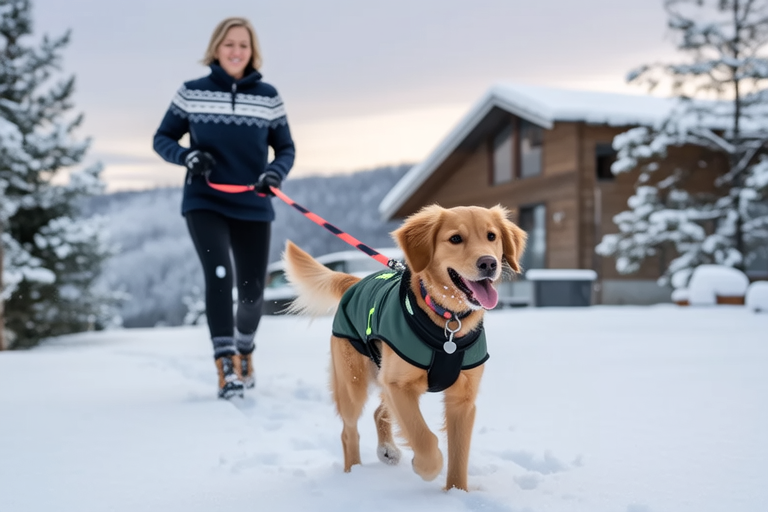
The harsh Norwegian winters pose unique challenges for pet owners. Pets must be protected from the cold, and outdoor time must be carefully managed. “In winter, we ensure our pets have warm coats and boots,” says Lina Olsson. “We also limit their time outside to prevent hypothermia.”
Indoor heating is essential for keeping pets comfortable during the coldest months. “Our home is always warm,” shares Lars Bergesen. “This helps our pets stay healthy and happy.”
Despite the challenges, many Norwegian pets enjoy outdoor activities year-round. Skiing with dogs is a popular winter sport, and many dogs are trained for this purpose. “Skiing with my dog is a great way to stay active and bond,” says Magnus Johnson. “It’s a wonderful experience for both of us.”
Legal Regulations and Community Initiatives
Norway has strict laws regarding pet ownership, designed to protect both animals and humans. For example, all dogs must be microchipped and registered. “Microchipping ensures our pets can be identified if they get lost,” explains Elin Mikkelsen. “It gives us peace of mind.”
There are also regulations governing the sale and breeding of pets. Breeders must adhere to strict standards to ensure the health and well-being of their animals. “We follow all the rules when breeding our dogs,” says Arne Jensen. “It’s important to us to produce healthy, well-socialized puppies.”
Community initiatives play a significant role in promoting responsible pet ownership. Many towns and cities host events to raise awareness about pet care and welfare. “We participate in these events to learn more about taking care of our pets,” says Siv Kari. “They’re a great resource for new pet owners.”
Interviews with Norwegian Pet Owners
To gain further insight into Norwegian pet-rearing practices, we spoke with several Norwegian pet owners:
- Ingrid Johansen: “Our family dog was raised as part of our household. She was trained to respond to commands and interact with people in a friendly manner.”
- Ole Andersen: “Training my dog has been a rewarding experience. It’s all about building trust and mutual understanding.”
- Hanne Larsen: “My cat loves fish. I make sure to include it in her meals, knowing it’s a healthy option.”
- Erik Sorensen: “We use wild game to supplement our dog’s diet. It provides a great source of protein and keeps her active and healthy.”
- Maria Hansen: “We choose organic food for our pets because we believe it’s better for them and the planet.”
- Tove Jensen: “We use treats and praise to reward good behavior. This makes training enjoyable for both the pet and the owner.”
- Kristian Pedersen: “Clicker training has really helped us train our dog. It’s fun and rewarding for both of us.”
- Lina Olsson: “In winter, we ensure our pets have warm coats and boots. We also limit their time outside to prevent hypothermia.”
- Lars Bergesen: “Our home is always warm. This helps our pets stay healthy and happy.”
- Magnus Johnson: “Skiing with my dog is a great way to stay active and bond. It’s a wonderful experience for both of us.”
- Elin Mikkelsen: “Microchipping ensures our pets can be identified if they get lost. It gives us peace of mind.”
- Arne Jensen: “We follow all the rules when breeding our dogs. It’s important to us to produce healthy, well-socialized puppies.”
- Siv Kari: “We participate in these events to learn more about taking care of our pets. They’re a great resource for new pet owners.”
These interviews provide valuable insights into the diverse pet-rearing practices in Norway. From traditional herding dogs to modern companion animals, Norwegian pets are an integral part of the country’s cultural fabric.
Conclusion
Pet rearing in Norway is shaped by a unique combination of cultural, environmental, and lifestyle factors. Traditional practices are being replaced by more modern methods, while local resources continue to influence dietary habits. Training techniques reflect Norwegian values of respect and cooperation, and the country’s climate poses unique challenges for pet care. Legal regulations and community initiatives promote responsible pet ownership, ensuring that pets are treated with the care and respect they deserve.
Whether you’re a seasoned pet owner or considering adopting your first pet, learning about different pet-rearing practices can broaden your perspective and enrich your experience. By embracing the best practices from around the world, we can all become better caretakers for our beloved companions.
