Top 10 Surprising Facts About Tarantulas That Will Blow Your Mind
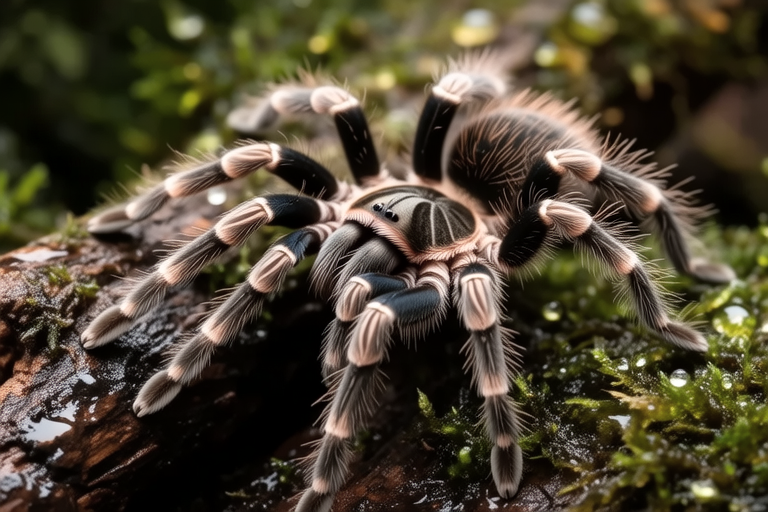
When most people think of tarantulas, they imagine large, hairy spiders with eight eyes and fangs. While this image is accurate, there’s so much more to these fascinating creatures than meets the eye. From their unusual defense mechanisms to their surprising social habits, tarantulas are full of surprises. Dive into our list of top ten surprising facts about tarantulas, guaranteed to leave you amazed.
Fact 1: Tarantulas Have Blue Blood
Unlike humans, whose blood is red due to iron-rich hemoglobin, tarantulas have blue blood. This is because their blood contains copper-based hemocyanin, which is more efficient at transporting oxygen in cold, low-oxygen environments. This adaptation allows tarantulas to thrive in various habitats, from deserts to rainforests. Isn’t it amazing how nature finds ways to optimize survival?
Fact 2: Some Tarantulas Can Regrow Lost Limbs
In case of injury or predation, some tarantula species can regrow lost limbs. This process, known as autotomy, occurs during the molting stage when the spider sheds its exoskeleton. During this period, the tarantula can re-grow missing legs, albeit smaller than the original ones. This remarkable ability showcases the resilience and adaptability of these arachnids.
Fact 3: Tarantulas Can Produce Silk Without Spinning Webs
Contrary to popular belief, not all tarantulas spin webs to catch prey. Instead, many species produce silk for other purposes. They use it to line their burrows, creating a cozy home that also serves as a trap for unsuspecting insects. Additionally, male tarantulas use silk to mark their territories, signaling to potential mates and competitors alike. It’s incredible how versatile this natural material can be!
Fact 4: Tarantulas Have a Unique Defense Mechanism
When threatened, certain tarantula species employ an unusual defense tactic: they rub their abdomen against their spinnerets, releasing a cloud of irritating hairs called urticating hairs. These tiny barbed hairs can cause itching, skin irritation, and even temporary blindness if they get into the eyes of a predator. This defense mechanism is particularly effective against mammals, including curious humans.
Fact 5: Tarantulas Are Not All Venomous
While tarantulas are often feared for their venomous bites, many species pose little threat to humans. Their venom is primarily used to subdue small prey like insects and other arthropods. In fact, the bite of some tarantulas is comparable to a bee sting, causing mild pain and swelling but rarely serious harm. This misconception underscores the importance of understanding wildlife before jumping to conclusions.
Fact 6: Tarantulas Can Live Up to 30 Years
Many people underestimate the lifespan of tarantulas, assuming they live only a few years. However, under optimal conditions, some species can live up to 30 years. This longevity is attributed to their slow metabolism and the ability to conserve energy by remaining relatively inactive. Imagine sharing your home with such a long-lived companion!
Fact 7: Tarantulas Practice Cannibalism
While not common, cannibalism does occur among tarantulas, especially during mating season. Male tarantulas are often smaller and more vulnerable, making them easy targets for larger females. To avoid becoming dinner, males must approach females cautiously, often employing elaborate courtship dances to demonstrate their suitability as mates. This behavior highlights the complex social dynamics within tarantula populations.
Fact 8: Tarantulas Can Survive Underwater
Believe it or not, some tarantulas can survive underwater for extended periods. Species found near water sources, like riverbanks and marshes, have adapted to swim and hunt aquatic prey. They can hold their breath for up to 24 hours, using their book lungs to absorb oxygen from the water. This adaptation demonstrates the incredible versatility of tarantulas in adapting to diverse environments.
Fact 9: Tarantulas Have Exceptional Night Vision
Tarantulas rely heavily on their sense of touch and vibration to navigate their surroundings. However, some species also possess excellent night vision, allowing them to hunt effectively in low-light conditions. Their eyes are sensitive to ultraviolet light, enabling them to detect the faintest movements of potential prey. This heightened visual acuity gives tarantulas a significant advantage in the nocturnal ecosystem.
Fact 10: Tarantulas Play a Crucial Role in Ecosystems
Beyond their individual characteristics, tarantulas play a vital role in maintaining the balance of ecosystems. As predators, they help control insect populations, preventing overpopulation and subsequent ecological imbalances. Additionally, their burrows provide shelter for other small animals and contribute to soil aeration and nutrient cycling. Understanding the importance of tarantulas in their habitats emphasizes the interconnectedness of all living organisms.
Tarantulas are far more than just scary, hairy spiders. From their blue blood to their ability to regrow limbs, these creatures offer a wealth of surprising and fascinating insights into the world of arachnids. Whether you’re a seasoned arachnophile or simply curious about the natural world, exploring the diverse and intriguing aspects of tarantulas will undoubtedly expand your appreciation for these misunderstood creatures. There’s always more to learn about these extraordinary arachnids—so why not dive deeper into the mysteries of tarantula species today?
