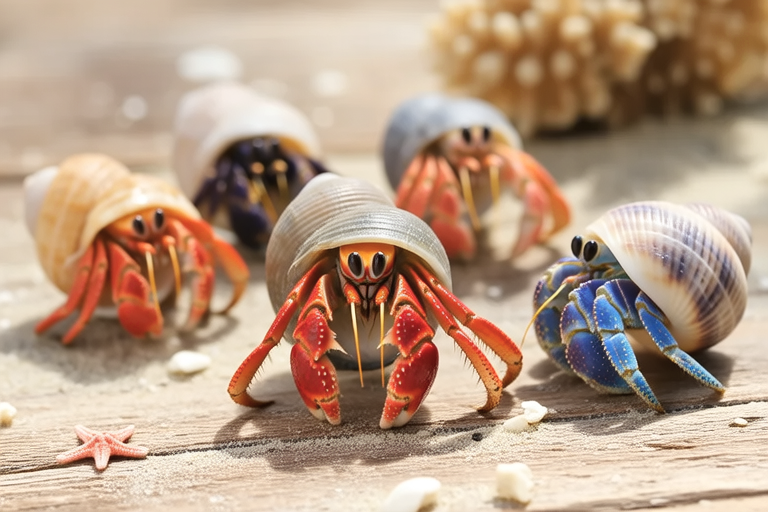
Shell Swap Shenanigans: Why Every Hermit Crab Owner Should Try This Fun Activity
Hermit crabs are fascinating creatures that have captured the hearts of many pet enthusiasts. These crustaceans are known for their unique way of living: they inhabit empty mollusk shells, which they carry around for protection. The shell is more than just a shelter; it’s a crucial part of the hermit crab’s life cycle, playing a significant role in their growth, safety, and mental well-being.
The Unique Shell-Swapping Behavior of Hermit Crabs
Hermit crabs have a remarkable adaptation that allows them to change shells when necessary. As they grow, they outgrow their current shells, making it essential to find larger ones to accommodate their expanding bodies. This process, known as shell swapping, is a vital aspect of their survival. It also serves as a form of self-defense, as hermit crabs can switch to safer shells if their current one becomes damaged or compromised.
The Benefits of Shell Swapping for Hermit Crabs
There are numerous benefits to shell swapping for hermit crabs:
- Growth: Hermit crabs need ample space to grow, and swapping shells ensures they have room to expand. Without access to new, larger shells, hermit crabs may experience stunted growth or physical discomfort.
- Safety: Damaged shells can leave hermit crabs vulnerable to predators and environmental hazards. By swapping into a sturdy, undamaged shell, they protect themselves from harm.
- Mental Stimulation: Providing a variety of shells encourages hermit crabs to explore and interact with their environment. This mental engagement is crucial for their overall health and happiness.
Setting Up a Safe and Exciting Shell Swap Area
To create a shell swap area at home, consider the following tips:
Selecting Suitable Shells
Choose shells that are appropriate for your hermit crab’s size. For smaller crabs, opt for shells with a diameter of about 1 inch. Larger crabs will need shells that are at least 2 inches wide. Ensure the shells have a smooth interior and are free from sharp edges or harmful chemicals.
Creating an Engaging Environment
Arrange the shells in various orientations and heights to mimic the natural habitat of hermit crabs. Adding small rocks, driftwood, and plants can further enhance the environment and provide additional hiding spots and climbing areas.
Introducing New Shells Without Stressing the Crabs
When introducing new shells, do so gradually. Place the new shells in the tank and allow the hermit crabs to become accustomed to their presence over several days. Avoid overcrowding the tank with too many shells at once, as this can cause stress and confusion for the crabs.
The Educational Value for Children
Observing hermit crabs during shell swaps can be an excellent learning experience for children. It provides an opportunity to teach them about the natural world, biology, and the importance of environmental conservation. Encourage kids to ask questions and make observations, fostering a sense of curiosity and wonder.
Personal Anecdotes and Scientific Insights
As a hermit crab owner, I’ve witnessed firsthand the joy and excitement that come with providing a rich, stimulating environment for my pets. One particularly memorable moment was watching my hermit crab eagerly explore a new shell. It was clear that the crab was excited and curious, much like a child discovering a new toy. This experience reinforced the importance of enriching environments for pets, ensuring they lead happy, healthy lives.
Scientific studies have shown that enriched environments can significantly impact the longevity and well-being of hermit crabs. A study published in the Journal of Experimental Marine Biology and Ecology found that hermit crabs housed in enriched environments lived longer and were less prone to disease compared to those kept in bare tanks.
Conclusion
Encouraging shell swaps is a fun and rewarding activity for both hermit crabs and their owners. By providing a variety of shells and creating an engaging environment, you can help ensure the health and happiness of your pets. Additionally, this activity offers valuable educational opportunities for children and underscores the importance of enriching environments for all animals. So why not give it a try? Your hermit crabs will thank you!
