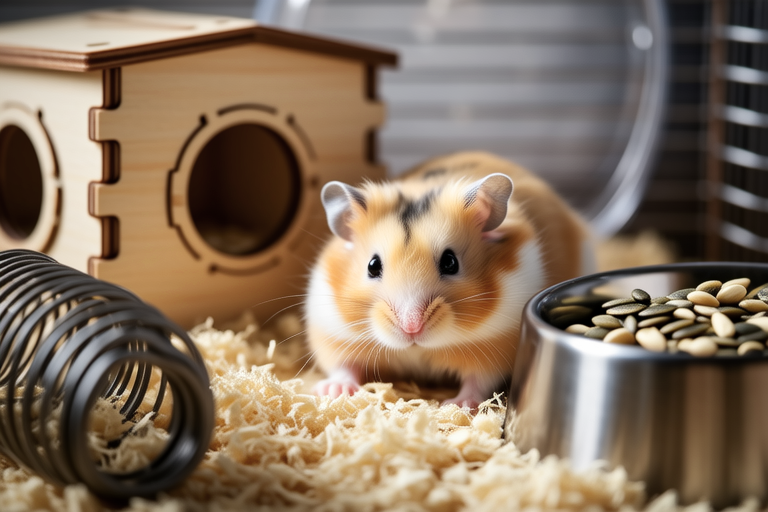
How to Create the Perfect Hamster Habitat in Your Home
Welcome to the world of hamster ownership! Creating a perfect habitat for your little furry friend is crucial for their health and happiness. This guide will walk you through the essential elements needed to set up a safe, comfortable, and stimulating environment for your hamster. Whether you’re a first-time owner or an experienced handler, this comprehensive article will provide valuable insights and tips.
Choosing the Right Cage Size
The first step in creating a perfect hamster habitat is selecting an appropriately sized cage. A spacious cage allows your hamster ample room to explore, play, and exercise, which is vital for their physical and mental well-being. For dwarf hamsters, a cage measuring at least 360 square inches (about 24 inches by 15 inches) is recommended. Syrian hamsters require even more space, ideally a cage with dimensions of 480 square inches (approximately 30 inches by 16 inches).
Adequate floor space is crucial because hamsters are active creatures that love to run and dig. Avoid cages with too many levels or complicated structures, as they can be dangerous for your pet. Opt for a cage with a solid bottom and secure latches to prevent escapes.
Selecting the Ideal Bedding Material
Choosing the right bedding material is another critical aspect of setting up your hamster’s habitat. The bedding should be absorbent, dust-free, and soft to ensure your hamster’s comfort and respiratory health. Popular choices include:
- Paper-based bedding: Made from recycled paper, this type of bedding is highly absorbent and free from harmful chemicals.
- Cedar and pine shavings: While these may look appealing, they release aromatic oils that can irritate your hamster’s respiratory system, so it’s best to avoid them.
- Sawdust: Although affordable, sawdust can be dusty and is not recommended due to potential respiratory issues.
- Cotton wool: While soft and fluffy, cotton wool can cause choking hazards if ingested, so it’s better to opt for safer alternatives.
Ensure the bedding is changed regularly to maintain hygiene and prevent odors. Aim for a complete bedding change once a week, along with daily spot cleaning to remove soiled areas.
Necessary Toys and Accessories
Toys and accessories enrich your hamster’s environment, providing mental stimulation and preventing boredom. Some essential items include:
- Tunnels: These allow your hamster to explore and create their own territory within the cage.
- Exercise wheel: A hamster wheel is a must-have accessory for your pet. Choose a solid-surfaced wheel to prevent injuries to their feet.
- Burrowing boxes: Provide a small cardboard box or a dedicated burrowing area filled with soft bedding for your hamster to dig and hide.
- Grooming tools: Offer a wooden chew toy or a small piece of untreated wood for your hamster to gnaw on, helping to keep their teeth trimmed and preventing overgrowth.
Rotate toys occasionally to keep your hamster engaged and interested in their surroundings. Introducing new toys gradually helps minimize stress and allows your hamster to adapt to changes in their environment.
Providing a Balanced Diet
Feeding your hamster a balanced diet is essential for their overall health. A good diet consists of:
- Hamster pellets: These provide a balanced mix of nutrients, including proteins, fats, vitamins, and minerals.
- Fresh vegetables: Leafy greens like spinach, kale, and romaine lettuce are excellent choices. Introduce new vegetables gradually to avoid digestive issues.
- Fruits: Offer fruits sparingly as treats, as they are high in sugar. Apples, berries, and melons are popular choices.
- Treats: Small amounts of seeds and nuts can be given as occasional treats. Be cautious with sunflower seeds, as they are high in fat.
Always provide fresh water daily. Use a sipper bottle designed for small animals to ensure clean and accessible drinking water. Regularly check the bottle for leaks and refill as needed.
Maintaining Exercise Needs
Hamsters are naturally active creatures that require regular exercise to stay healthy. In addition to the exercise wheel, provide opportunities for exploration and digging outside the cage. Supervised playtime in a safe, enclosed area allows your hamster to stretch their legs and engage in natural behaviors.
Ensure that the play area is free from hazards such as electrical cords and toxic plants. Rotate toys and accessories regularly to keep your hamster mentally stimulated and physically active.
Controlling Temperature and Maintaining Hygiene
Temperature control is crucial for your hamster’s well-being. Hamsters thrive in environments with temperatures between 65°F and 75°F (18°C to 24°C). Avoid placing the cage near direct sunlight, drafts, or heating vents. If the temperature drops below 60°F (15°C), provide extra warmth with a heated pad placed under one side of the cage.
Maintaining hygiene is equally important. Clean the cage thoroughly once a week, removing all bedding and scrubbing the cage with a mild detergent. Rinse thoroughly and dry before replacing the bedding. Spot-clean soiled areas daily to keep the habitat fresh and odor-free.
Safe Cleaning Procedures
When cleaning your hamster’s habitat, follow these safety guidelines:
- Remove your hamster from the cage and place them in a secure, temporary enclosure.
- Use gloves when handling bedding to protect your skin from potential allergens.
- Discard old bedding and thoroughly wash all accessories with mild soap and warm water.
- Disinfect the cage using a pet-safe cleaner, then rinse and dry completely before reassembling.
- Replace the bedding with fresh, clean material and return your hamster to their cleaned habitat.
Introducing New Elements Gradually
Introducing new elements into your hamster’s habitat requires careful consideration to prevent stress. When adding new toys, bedding, or accessories:
- Place the new item in the cage but don’t force your hamster to interact with it immediately.
- Monitor your hamster’s behavior to ensure they are comfortable with the new addition.
- If your hamster shows signs of distress, remove the new item and try again later.
Gradual introductions help your hamster adjust to changes in their environment, reducing anxiety and promoting a healthier living space.
Conclusion
Creating the perfect hamster habitat involves careful planning and attention to detail. By choosing the right cage size, selecting appropriate bedding, providing necessary toys and accessories, offering a balanced diet, ensuring adequate exercise, controlling temperature, and maintaining hygiene, you can create a safe and stimulating environment for your hamster. With these guidelines, you’ll be well-equipped to provide the best care possible for your beloved pet.
