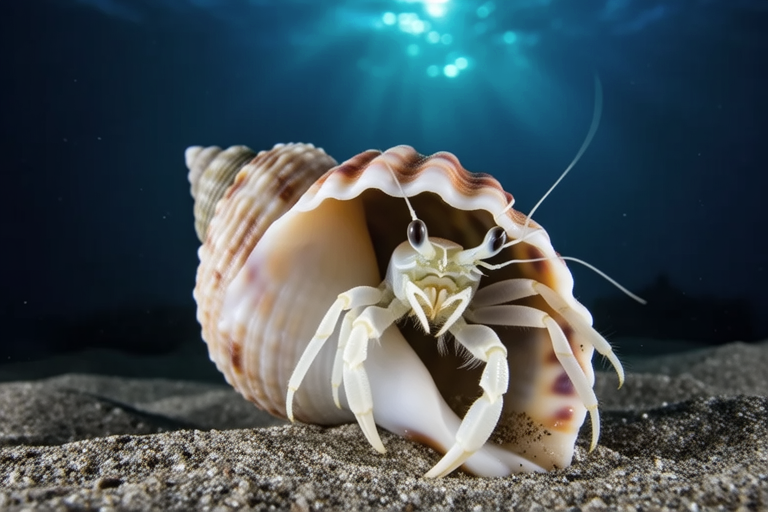
The Unique Lifecycle and Habitat of Pea Crabs
Pea crabs, belonging to the superfamily Pinnotheroidea, are some of the smallest crustaceans in the ocean, typically measuring less than 1 cm in length. Despite their diminutive size, these fascinating creatures play a significant role in marine ecosystems through their symbiotic relationships with various sea creatures. Their journey from ocean floors to becoming part of feeding frenzies is a captivating tale that highlights the complexity and interconnectedness of life beneath the waves.
Habitat and Symbiotic Relationships
Pea crabs have adapted to live in a variety of marine environments, including shallow coastal waters, estuaries, and deeper oceanic regions. They are most commonly found inhabiting the mantle cavities of bivalve mollusks such as scallops, oysters, and clams, where they find protection and sustenance. In addition to their primary hosts, pea crabs have also been observed living in association with sea anemones and barnacles. These symbiotic relationships are mutually beneficial; while the pea crab benefits from a safe haven and access to nutrients, its host gains protection from predators and parasites.
Sea anemones provide pea crabs with a secure environment by offering them shelter within their tentacles. The anemone’s stinging cells, known as nematocysts, deter potential predators, ensuring the safety of the pea crab. In return, the pea crab assists in cleaning the anemone by consuming debris and detritus, which helps maintain the health of its host. Similarly, pea crabs that reside within barnacles benefit from the protective shell of their host, while contributing to the barnacle’s well-being by consuming harmful microorganisms that could otherwise cause disease.
Lifecycle and Reproduction
The lifecycle of pea crabs begins with the female laying eggs in the mantle cavity of her host. After hatching, the larvae enter the planktonic stage, drifting with ocean currents until they find a suitable host. Once settled, the larvae undergo metamorphosis into adult form, completing the cycle. This reproductive strategy ensures that pea crabs can colonize new areas and maintain genetic diversity within their populations.
Pea crabs reproduce sexually, with males and females engaging in mating rituals that vary depending on the species. Some pea crab species exhibit elaborate courtship behaviors, while others rely on chemical signals to attract mates. After fertilization, the female carries the eggs in a brood pouch until they hatch. The timing of reproduction is often synchronized with seasonal changes in water temperature and nutrient availability, ensuring optimal conditions for larval development.
Diet and Feeding Habits
Pea crabs are omnivorous, feeding on a variety of organic matter, including plankton, detritus, and small organisms found within the mantle cavity of their hosts. Their diet plays a crucial role in maintaining the balance of nutrients within their ecosystem. By consuming excess organic material, pea crabs help prevent the buildup of harmful substances that could otherwise compromise the health of their hosts.
In addition to their role as consumers, pea crabs also contribute to nutrient cycling within their habitats. Through their feeding activities, they release waste products that serve as food sources for other organisms, thereby supporting the overall productivity of the ecosystem. This interdependence underscores the importance of pea crabs in maintaining the delicate balance of marine ecosystems.
Threats and Conservation
Despite their resilience, pea crabs face numerous threats in their environment, including pollution, climate change, and overfishing. Pollution, particularly from agricultural runoff and industrial waste, can contaminate the waters in which pea crabs live, affecting both their hosts and the organisms they feed on. Climate change poses another significant challenge, as rising sea temperatures and ocean acidification can disrupt the delicate balance of marine ecosystems, impacting the survival of pea crabs and their hosts.
Overfishing, particularly of commercially valuable bivalves such as oysters and scallops, can also have detrimental effects on pea crab populations. As these fishery resources decline, the availability of suitable hosts decreases, limiting the opportunities for pea crabs to establish symbiotic relationships. Conservation efforts aimed at protecting marine habitats and promoting sustainable fishing practices are essential for safeguarding the future of pea crabs and the ecosystems they inhabit.
Ecological Importance
Pea crabs play a vital role in marine food chains, serving as prey for larger organisms such as fish, birds, and marine mammals. Their presence in an ecosystem indicates the health and stability of the surrounding environment, making them important indicators of ecological integrity. By participating in nutrient cycling and maintaining the balance of marine communities, pea crabs contribute to the overall resilience and productivity of their habitats.
The adaptability of pea crabs allows them to thrive in diverse marine conditions, from shallow coastal waters to deep oceanic regions. Their ability to establish symbiotic relationships with various hosts enables them to survive in challenging environments, further emphasizing their ecological significance. Understanding the lifecycle and habitat of pea crabs provides valuable insights into the intricate web of life that exists beneath the waves, highlighting the importance of preserving marine biodiversity for future generations.
In conclusion, pea crabs are remarkable creatures whose unique lifecycle and habitat adaptations have allowed them to become integral components of marine ecosystems. Their symbiotic relationships with sea anemones, barnacles, and bivalves underscore the importance of cooperation and mutualism in sustaining life in the ocean. By exploring the world of pea crabs, we gain a deeper appreciation for the complexity and beauty of marine life, inspiring us to protect and conserve these precious resources for years to come.
