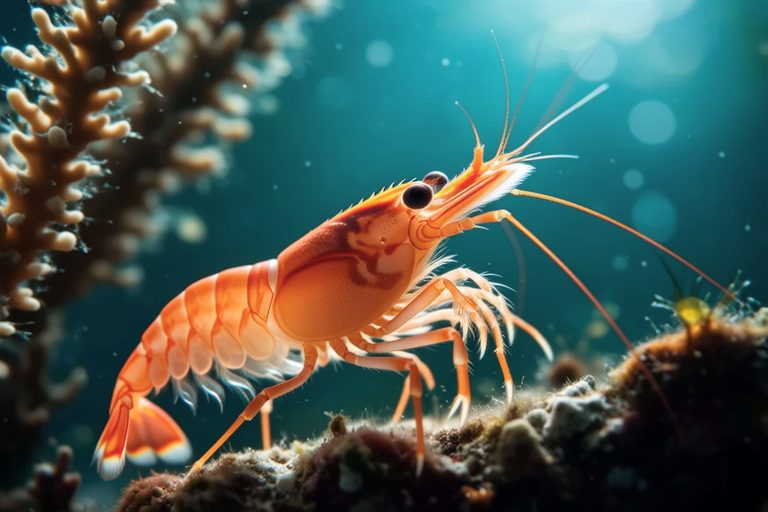
From Ocean Depths to Your Tank: The Journey of Coral Shrimp in Captivity
Coral shrimp, with their vibrant colors and delicate movements, have become a popular addition to many home aquariums. Species like the Blood Red Fire Shrimp (Lysmata debelius), Scarlet Skunk Cleaner Shrimp (Lysmata amboinensis), and Peppermint Shrimp (Lysmata wurdemanni) are among the most sought after. These tiny crustaceans, measuring around 2 inches in length, bring not only aesthetic appeal but also functional benefits to marine ecosystems.
Natural Habitat: A Dive into the Ocean Depths
The natural habitat of coral shrimp is predominantly found in the warm, tropical waters of the Indo-Pacific region, stretching from the Red Sea to the Pacific Ocean. They thrive in coral reefs, where they find shelter among the intricate structures and abundant food sources. Key environmental factors that contribute to their survival include:
- Water Temperature: Coral shrimp prefer temperatures ranging between 72°F to 82°F (22°C to 28°C).
- Salinity: Salinity levels of approximately 32-35 ppt (parts per thousand) mimic the conditions of their oceanic homes.
- Lighting: These creatures are typically nocturnal, meaning they are more active during the night. They prefer dim lighting to protect themselves from predators.
- Water Quality: Clean, well-oxygenated water is essential. Ammonia, nitrite, and nitrate levels must be kept at undetectable levels to ensure their health.
Sustainable Sourcing for Captivity
The journey of coral shrimp from the ocean to your tank begins with ethical considerations. Sustainable aquaculture practices are crucial to avoid overharvesting wild populations. Many reputable suppliers have established farms that breed coral shrimp in controlled environments, ensuring minimal impact on natural ecosystems. It’s important for hobbyists to choose suppliers who adhere to sustainable practices and support local conservation efforts.
Setting Up the Ideal Tank Environment
To create a suitable environment for coral shrimp in captivity, several factors need careful consideration:
Water Parameters
Maintaining the correct water parameters is vital. Ensure that the temperature remains within the recommended range, and salinity is accurately measured. Regular water changes, ideally 10-20% weekly, help maintain water quality. Utilize high-quality filtration systems and consider adding live rock or macroalgae to provide additional biological filtration.
Tank Mates
Coral shrimp are generally peaceful and can coexist with various fish species. However, it’s important to avoid aggressive or predatory fish that may pose a threat. Suitable tank mates include small wrasses, gobies, and blennies. Avoid keeping them with larger, more aggressive species like lionfish or triggerfish.
Diet Requirements
In the wild, coral shrimp are omnivorous, feeding on algae, detritus, and small organisms. In captivity, a varied diet is necessary. Offer them a mix of algae-based foods, frozen brine shrimp, and mysis shrimp. Some species, like the Peppermint Shrimp, are known for their ability to control aiptasia, a type of unwanted anemone in aquariums.
Acclimatization and Long-Term Health
When introducing coral shrimp to a new tank, acclimatization is crucial to prevent shock. Float the shrimp in their transport container for about 15 minutes to equalize the temperature. Then, slowly add small amounts of tank water to the container over the next hour. Once acclimated, gently release the shrimp into the tank.
To maintain their health long-term, regular monitoring of water parameters is essential. Conduct routine checks for ammonia, nitrite, and nitrate levels. Providing hiding spots such as caves or crevices helps reduce stress and promotes natural behavior. Additionally, ensure there is ample space for the shrimp to explore and establish territories.
The Importance of Responsible Ownership
Owning coral shrimp responsibly involves more than just providing the right tank setup. It requires ongoing commitment to their well-being. By choosing ethically sourced shrimp, creating a healthy environment, and being attentive to their needs, hobbyists can ensure these fascinating creatures thrive in captivity. Responsible ownership not only enhances the beauty of your aquarium but also contributes positively to the broader marine ecosystem.
In conclusion, the journey of coral shrimp from ocean depths to your tank is one filled with care and responsibility. By understanding their natural habitat, adhering to sustainable sourcing practices, and setting up ideal tank environments, hobbyists can enjoy the company of these captivating creatures while ensuring their health and happiness.
