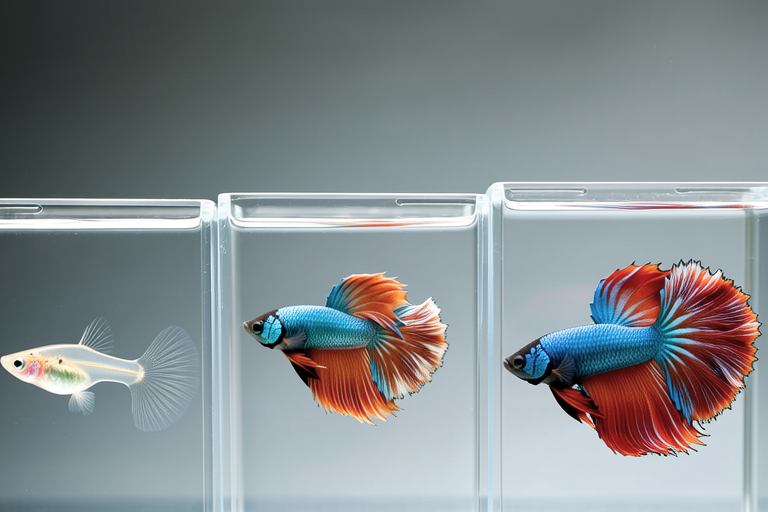
From Tiny Fry to Majestic Betta: A Visual Guide to Betta Growth
Welcome to an enlightening journey through the lifecycle of one of the most vibrant and fascinating fish species: the betta. This guide will take you from the early fry stage to the majestic adult betta, providing a detailed visual and informational tour of their growth and development. Whether you’re a novice aquarist or an experienced hobbyist, this comprehensive guide will equip you with the knowledge to care for these beautiful creatures.
The Early Fry Stage
The journey begins when the female betta releases her eggs after spawning with a male. The eggs hatch within 24 to 36 hours, revealing tiny fry that are barely visible to the naked eye. At this stage, the fry are completely transparent and lack pigmentation, making them nearly invisible against the tank background. They are approximately 2mm in length and possess a yolk sac attached to their bellies, which serves as their primary food source for the first few days.
Nutritional Needs: During the fry stage, it’s crucial to provide adequate nutrition for healthy growth. Initially, the yolk sac nourishes the fry. Once it’s absorbed, they can be fed infusoria, a type of microscopic organism found in aged water. As they grow, introduce baby brine shrimp and finely ground flake foods. Ensure the water temperature remains stable between 78°F and 82°F (25°C to 28°C) to promote optimal development.
Care Tips: Fry require special attention due to their vulnerability. Keep them in a separate tank to avoid predation by other fish. Use a sponge filter to maintain water quality without causing harm. Regular water changes are essential, but ensure the water is dechlorinated and at the same temperature as the fry tank.
Growth Milestones and Physical Changes
As the fry develop, they begin to show more distinct features. By the end of the first week, they have absorbed their yolk sacs and are actively swimming, searching for food. Their bodies become slightly opaque, and they start developing coloration, though it may not be fully apparent yet. Around two weeks old, the fry are about 5mm long, and their fins start to emerge. By four weeks, they reach approximately 1cm in length, and their colors become more vivid, especially around the head and tail areas.
At six weeks, the fry are considered juveniles. They are about 2cm long, and their fins have grown significantly, though they are still small compared to adults. Their behavior becomes more active, and they display more pronounced aggression, especially towards each other. It’s important to monitor their interactions and separate any overly aggressive individuals to prevent fin nipping.
The Transition from Fry to Adult
The transition from juvenile to adult is marked by several significant changes. By the eighth week, the bettas are almost fully developed, with their final colors and patterns becoming clear. Their fins continue to grow, and their overall body structure becomes more robust. At this stage, males develop elongated dorsal and caudal fins, while females exhibit shorter, more rounded fins.
Behavioral Differences: Adults display more complex behaviors. Males are territorial and may engage in elaborate displays to establish dominance or attract mates. Females tend to be less aggressive and are often more social, though they can also be territorial. Providing ample hiding spots and floating plants can help reduce stress and promote healthy interactions.
Optimal Care for Juvenile and Adult Bettas
Once your bettas reach adulthood, maintaining a well-balanced environment becomes crucial. Water parameters should be monitored regularly, with ideal pH levels between 6.5 and 7.5 and ammonia and nitrite levels at zero. Ammonia and nitrite can be toxic to fish, so ensure your tank has established a healthy nitrogen cycle. Perform weekly water changes of about 20% to keep the water clean and free of harmful substances.
Diet: Adult bettas thrive on a varied diet. High-quality flake foods, pellets, and frozen or live foods like bloodworms, daphnia, and brine shrimp provide essential nutrients. Feed them twice daily, offering only what they can consume in a couple of minutes to prevent overfeeding.
Common Challenges and Solutions
Raising bettas comes with its share of challenges. One of the most common issues is fin rot, a bacterial infection that can occur if water quality is poor. Symptoms include frayed, discolored, or ragged fins. To combat this, maintain pristine water conditions and consider adding aquarium salt to the water. Another challenge is overfeeding, which can lead to obesity and health problems. Always feed your bettas in moderation.
Breeding bettas can also present challenges. Males may become overly aggressive towards females, leading to stress or injury. Ensure there is plenty of hiding space and monitor their interactions closely. If necessary, separate the pair after breeding to prevent further aggression.
Conclusion
The lifecycle of a betta fish is a testament to nature’s beauty and complexity. From the tiny, transparent fry to the majestic, colorful adult, each stage offers unique challenges and rewards for the dedicated aquarist. By understanding the nutritional needs, growth milestones, and behavioral changes throughout their life, you can provide the best possible care for your bettas. With proper attention and care, your bettas will thrive, bringing joy and wonder to your aquarium for years to come.
