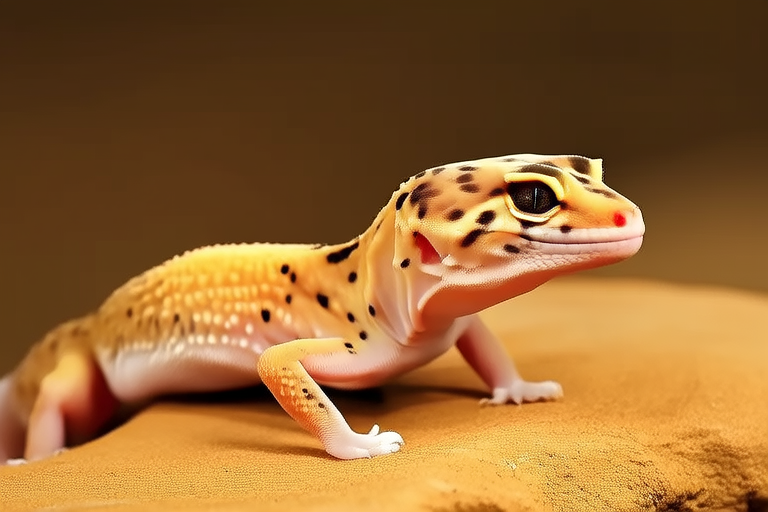
Leopard Gecko Care: A Beginner’s Guide to Keeping Your New Pet Happy and Healthy
Welcome to the wonderful world of leopard geckos! These small, docile lizards make fantastic pets for beginners due to their easy care requirements and friendly nature. This guide will help you set up a comfortable environment, feed your gecko properly, handle it safely, and keep it healthy.
Habitat Setup
The first step in providing excellent care for your leopard gecko is creating an appropriate habitat. The enclosure size should be at least 10 gallons for one gecko, but larger enclosures are preferable as they offer more space for exercise and exploration.
- Substrate: Use reptile carpet or paper towels for easy cleaning. Avoid loose substrates like sand or wood shavings that can cause impaction if ingested.
- Hiding Spots: Provide several hiding places, including a humid hide filled with moistened moss or coconut fiber for shedding.
- Temperature and Humidity: Maintain a warm side (88-90°F) and a cool side (75-80°F). Use a hygrometer to ensure humidity stays between 30-40%.
Avoid common mistakes such as overcrowding the enclosure or using inappropriate substrates.
Diet
Leopard geckos are insectivores, requiring a varied diet of insects. Feed them crickets, dubia roaches, and mealworms dusted with calcium and vitamin D3 supplements twice weekly.
- Feeding Frequency: Offer food daily, adjusting based on the gecko’s appetite. Remove uneaten prey to prevent overfeeding.
- Variety: Introduce different insects to provide a balanced diet. Gut-load insects before feeding to enhance nutritional value.
Avoid overfeeding, which can lead to obesity, and underfeeding, which can cause malnutrition.
Handling Tips
Leopard geckos are generally calm and easy to handle. Always wash hands before and after handling to prevent the spread of bacteria. Support the gecko’s body fully and avoid squeezing or restraining.
- Frequency: Handle gently and infrequently to reduce stress.
- Environment: Keep handling sessions short and in a safe, quiet area.
Avoid common mistakes such as rough handling or frequent disturbances.
Health Concerns
Common health issues include metabolic bone disease (MBD), parasites, and respiratory infections. Regular vet check-ups and monitoring for signs of illness are crucial.
- Metabolic Bone Disease: Caused by calcium deficiency, leading to weak bones and paralysis. Supplement calcium and maintain proper lighting.
- Parasites: Can be introduced through contaminated food or substrate. Quarantine new additions and consult a vet.
- Respiratory Infections: Symptoms include wheezing, nasal discharge, and lethargy. Maintain correct temperatures and humidity levels.
Early detection and treatment are vital for recovery.
Signs of Illness
Monitor your gecko regularly for any changes in behavior or appearance. Common signs of illness include loss of appetite, lethargy, swollen eyes, and abnormal feces. Consult a veterinarian immediately if you notice these symptoms.
- Behavioral Changes: Reduced activity or aggression.
- Physical Changes: Swollen joints, difficulty breathing, or skin lesions.
Quick action can save your pet’s life.
Regular Care Routines
Maintain a routine schedule for cleaning, feeding, and monitoring your gecko. Clean the enclosure weekly, removing waste and replacing substrate. Monitor water and food dishes daily.
- Cleaning: Disinfect the enclosure monthly using a reptile-safe cleaner.
- Lighting: Replace UVB bulbs every six months to ensure proper vitamin D3 synthesis.
- Monitoring: Weigh your gecko monthly to track growth and overall health.
Consistency in care helps prevent health issues.
Resources for Further Learning
To deepen your knowledge about leopard gecko care, consider joining online forums and reading books. Popular forums include Reptifiles and Reddit’s r/leopardgeckos. Books like ‘The Leopard Gecko Manual’ by Philippe de Vosjoli offer comprehensive insights.
Engaging with experienced owners and professionals can provide invaluable advice and support.
