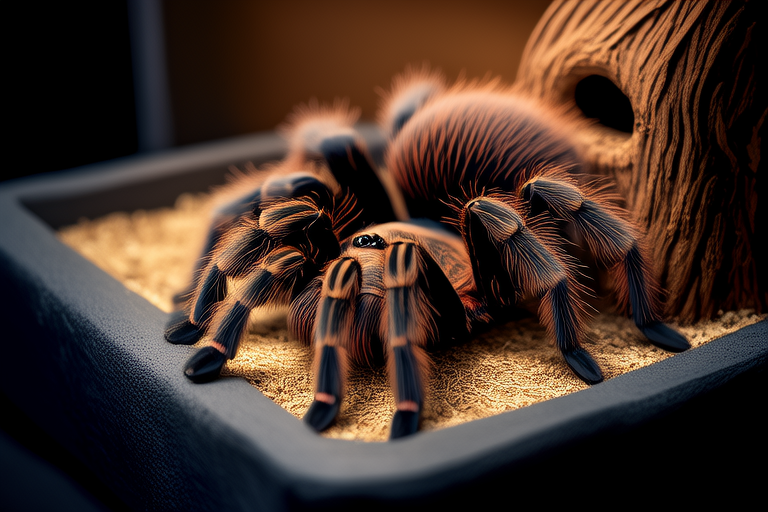
The Ultimate Guide to Caring for Your New Tarantula Pet
Welcome to the fascinating world of tarantulas! These magnificent arachnids make wonderful pets for those who appreciate unique and low-maintenance companions. Before diving into the care of your new tarantula, it’s important to understand that each species has its own specific needs. This guide will provide you with all the information you need to ensure your tarantula lives a long and healthy life.
Choosing the Right Tarantula Species
The first step in tarantula ownership is selecting the right species for your lifestyle. Some tarantulas are more docile and easier to handle, while others are more skittish or aggressive. Consider the following factors:
- Size: Some tarantulas can grow quite large, so make sure you have the space to accommodate them. For example, the Goliath Birdeater can reach over a foot in leg span.
- Temperament: Species like the Chilean Rose Hair Tarantula are generally calm and easy to handle, making them great for beginners. In contrast, the Pinktoe Tarantula can be more defensive and prone to biting.
- Environment: Some species thrive in tropical conditions, while others prefer drier habitats. Research the natural habitat of your chosen species to replicate it as closely as possible.
Setting Up the Ideal Habitat
Your tarantula’s enclosure should mimic their natural environment as closely as possible. The size of the enclosure depends on the species, but generally, it should be at least three times the length of the tarantula. Here’s how to set up the perfect home:
- Enclosure: Use a glass or plastic tank with a secure lid to prevent escapes. Ensure there are ventilation holes for air circulation.
- Hiding Places: Provide plenty of hiding spots such as cork bark, half logs, or small caves. Tarantulas are nocturnal and like to hide during the day.
- Substrate: The bottom of the tank should be covered with a layer of substrate, which could be coconut fiber, peat moss, or vermiculite. Ensure the substrate is deep enough for burrowing.
Proper Temperature and Humidity Levels
Maintaining the correct temperature and humidity levels is crucial for your tarantula’s health. Different species have different requirements, but here are some general guidelines:
- Temperature: Most tarantulas prefer temperatures between 75°F and 85°F (24°C to 29°C). Use a heat mat or under-tank heater if necessary.
- Humidity: Humidity should range from 60% to 80%, depending on the species. A hygrometer can help you monitor humidity levels. Mist the enclosure occasionally to increase humidity.
Suitable Substrate Types
The type of substrate you choose can greatly affect your tarantula’s well-being. It should be safe, absorbent, and easy to clean. Popular choices include:
- Coconut Fiber: This substrate is excellent for moisture retention and provides a natural look.
- Vermiculite: Useful for retaining moisture and mimicking soil conditions.
- Peat Moss: Helps maintain humidity and is easy to spot-clean.
Appropriate Feeding Practices
Tarantulas are carnivorous and require a diet rich in protein. Feed your tarantula appropriately sized prey items, such as crickets, mealworms, or even pinky mice for larger species. Here are some feeding tips:
- Frequency: Feed juveniles once every few days, and adults once or twice a week.
- Prey Size: The prey should be no wider than the tarantula’s body width.
- Variety: Offer a variety of prey to ensure a balanced diet.
