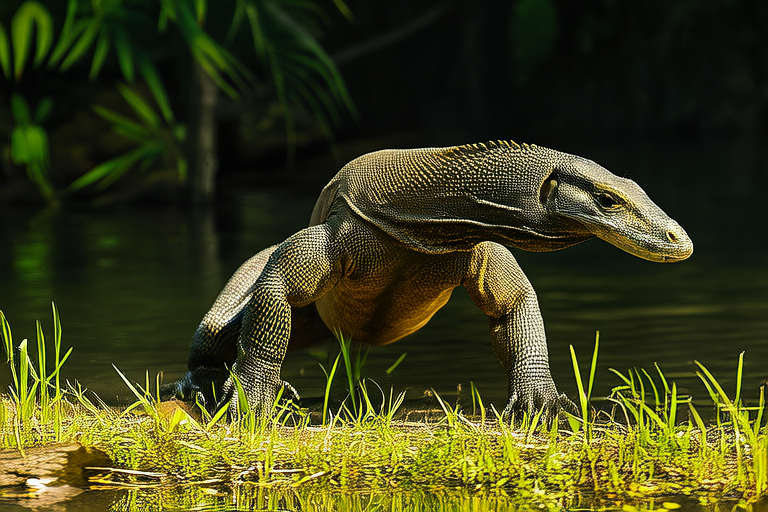
Aquatic Adventures with the Water Monitor: A Unique Pet Experience
The water monitor (Varanus salvator) is one of the most fascinating reptiles in the world. Known for its impressive size, remarkable swimming abilities, and unique behavior, the water monitor has become a popular choice among reptile enthusiasts. This article will explore the distinctive characteristics of water monitors, their care requirements, suitable habitats, dietary needs, and the unique bond owners can form with these pets.
Distinctive Characteristics of Water Monitors
Water monitors are large lizards that can grow up to 7 feet (2.1 meters) in length. They have long, muscular tails that help them swim efficiently in water. Their snouts are pointed, and they have sharp teeth designed for catching and holding onto prey. Water monitors have strong claws that aid in climbing trees and digging burrows. These lizards have excellent vision and sense of smell, which helps them locate food and navigate their environment.
One of the most striking features of water monitors is their coloration. They typically have a dark brown or black body with yellow or cream-colored spots or stripes. Some individuals may have more vibrant colors, such as green or blue, especially when young. As they age, their skin often becomes darker and more mottled.
Water monitors are highly intelligent and curious creatures. They are known to be problem solvers and can learn to recognize their owners. Many owners report that their water monitors exhibit playful behavior, such as nudging their hands or offering objects for attention. However, it’s important to note that water monitors are wild animals and should always be treated with respect and caution.
Care Requirements
Owning a water monitor requires a significant commitment in terms of time, effort, and resources. Before bringing a water monitor into your home, it’s essential to research and prepare adequately. This section will cover the basic care requirements for water monitors, including housing, temperature, humidity, and lighting.
Housing
Water monitors need a spacious enclosure that allows them to move freely and engage in natural behaviors. The minimum recommended size for a single adult water monitor is 8 feet by 4 feet by 6 feet (2.4 meters by 1.2 meters by 1.8 meters). However, larger enclosures are always better, especially if you plan to keep multiple water monitors or provide additional enrichment.
The enclosure should include both land and water areas. The land area should have a substrate that allows for digging and burrowing, such as coconut fiber, cypress mulch, or reptile bark. The water area should be deep enough for swimming and include ramps or platforms for easy access. A water heater or submersible pump can maintain the desired water temperature.
In addition to the physical space, water monitors require environmental enrichment. Provide plenty of hiding spots, climbing structures, and toys to stimulate their minds and bodies. Logs, branches, and rocks can serve as both decorations and functional items for climbing and basking.
Temperature and Humidity
Water monitors are ectothermic, meaning they rely on external sources of heat to regulate their body temperature. It’s crucial to maintain a proper temperature gradient within the enclosure to allow the lizard to thermoregulate effectively. The ideal temperature range for water monitors is between 85°F and 95°F (29°C and 35°C) during the day, with a basking spot reaching up to 100°F (38°C).
Nighttime temperatures can drop slightly, but should not fall below 75°F (24°C). Use a reliable thermometer to monitor temperatures in different areas of the enclosure. A thermostat-controlled heating system, such as radiant heat panels or ceramic heat emitters, can help maintain consistent temperatures.
Humidity levels should be kept between 60% and 80%. Proper humidity is essential for shedding and overall health. You can increase humidity by misting the enclosure daily, using a humidifier, or providing a water feature. Ensure good ventilation to prevent mold growth and respiratory issues.
Lighting
Water monitors require exposure to ultraviolet (UV) light to synthesize vitamin D3, which is necessary for calcium absorption. Use a high-quality UVB bulb designed for reptiles, and place it within 12 inches (30 cm) of the basking area. Replace the bulb every 6 to 12 months, even if it still appears to be working, as UV output diminishes over time.
In addition to UVB lighting, water monitors benefit from full-spectrum lighting to simulate natural daylight. This can help improve their mood and encourage natural behaviors. Make sure the lighting cycle mimics a 12-hour day/night cycle, using a timer to automate the process.
Suitable Habitats
Creating a suitable habitat for a water monitor involves replicating their natural environment as closely as possible. This section will discuss the importance of providing a stimulating and enriching environment, including appropriate substrate, water features, and hiding spots.
Substrate
The substrate is the material used to line the bottom of the enclosure. It plays a vital role in maintaining hygiene, providing comfort, and allowing for natural behaviors like digging and burrowing. For water monitors, a loose, organic substrate is ideal. Some popular options include:
- Coconut fiber: Retains moisture well and provides a naturalistic appearance.
- Cypress mulch: Helps retain humidity and is safe for reptiles.
- Reptile bark: Provides texture and promotes healthy digging.
Avoid using substrates that pose a risk of impaction, such as sand or small gravel. Additionally, ensure that any substrate is free of pesticides or chemicals that could harm your pet.
Water Features
Water monitors spend a considerable amount of time in or near water in the wild. Providing a suitable water feature in their enclosure is essential for their physical and mental well-being. The water area should be large enough for swimming and deep enough to fully submerge. Consider the following when setting up the water area:
- Size: Aim for at least half the total floor space of the enclosure.
- Depth: Deep enough for the monitor to swim comfortably.
- Access: Include ramps or platforms for easy entry and exit.
- Filtration: Use a powerful filter to keep the water clean and free of debris.
Regularly clean and maintain the water area to prevent bacterial growth and ensure the health of your pet.
Hiding Spots
Water monitors are naturally shy and prefer to have places where they can retreat and feel secure. Providing multiple hiding spots throughout the enclosure is crucial for reducing stress and promoting natural behaviors. Some ideas for hiding spots include:
- Logs: Hollow logs or pieces of driftwood create cozy hideaways.
- Rock caves: Stacked rocks or commercial rock caves offer shelter.
- Burrows: Create tunnels or cavities in the substrate for digging.
Ensure that hiding spots are stable and cannot collapse, posing a danger to your pet. Rotate hiding spots periodically to keep the environment fresh and interesting.
Dietary Needs
Feeding a water monitor properly is one of the most critical aspects of their care. This section will cover the nutritional requirements of water monitors, appropriate feeding schedules, and the importance of a balanced diet.
Nutritional Requirements
Water monitors are carnivorous and require a diet rich in protein and other essential nutrients. In the wild, their diet consists of fish, frogs, insects, birds, and small mammals. As pets, water monitors can be fed a variety of commercially available foods, as well as fresh, frozen, or live prey. Some common food items include:
- Commercial diets: Reptile-specific pellets or sticks.
- Frozen-thawed prey: Rodents, fish, and insects.
- Live prey: Crickets, mealworms, and feeder fish.
It’s important to provide a varied diet to ensure that your water monitor receives all the necessary nutrients. Consult with a veterinarian or reptile specialist to develop a feeding plan tailored to your pet’s specific needs.
Feeding Schedules
Young water monitors should be fed daily, while adults can be fed every two to three days. The amount of food offered should be proportional to the size of the lizard. Overfeeding can lead to obesity and related health issues, so monitor your pet’s weight and adjust the feeding schedule accordingly.
When feeding live prey, always supervise the interaction to prevent injury to your pet. Remove uneaten prey after a reasonable amount of time to avoid stress or potential harm.
Supplements
Water monitors require calcium, vitamin D3, and other essential vitamins and minerals for optimal health. Dusting food items with a high-quality reptile supplement can help meet these nutritional needs. However, be cautious not to over-supplement, as excessive amounts can be harmful.
Consult with a veterinarian or reptile specialist to determine the appropriate frequency and dosage of supplements for your pet. Regular veterinary check-ups can also help ensure that your water monitor is receiving adequate nutrition.
The Unique Bond Owners Can Form with Water Monitors
While water monitors are wild animals and should always be respected as such, many owners report forming strong bonds with their pets. This section will explore the unique relationship owners can develop with water monitors, including training, handling, and enrichment activities.
Training
Water monitors are intelligent and can learn to respond to commands and cues. Basic training can help strengthen the bond between owner and pet. Start by establishing trust through regular, gentle interactions. Offer treats and praise to reinforce positive behavior. Gradually introduce commands and hand signals, rewarding your pet for responding correctly.
Remember that training should never involve punishment or force. Always approach training sessions with patience and consistency. With time and effort, you may find that your water monitor becomes responsive and engaged during training sessions.
Handling
Handling water monitors requires skill, patience, and caution. Start by allowing your pet to become comfortable with your presence and touch. Approach slowly and gently, avoiding sudden movements that may startle the lizard. Once your water monitor is comfortable, you can begin to handle them with proper support and restraint.
Always support the body and tail when handling your water monitor to prevent injury. Keep handling sessions short and end on a positive note. Over-handling can cause stress and anxiety, so it’s essential to respect your pet’s limits.
Enrichment Activities
Providing enrichment activities can help stimulate your water monitor’s mind and promote healthy behaviors. Some ideas for enrichment include:
- Foraging: Hide food items within the enclosure for your pet to find.
- Exploration: Introduce new objects or rearrange the enclosure periodically.
- Interaction: Spend time with your pet regularly, offering treats and praise.
Enrichment activities can enhance the bond between owner and pet, making the experience more enjoyable and fulfilling for both parties.
Tips for初次见面
Introducing a new water monitor to your home requires careful planning and preparation. This section will provide tips for初次见面, ensuring a smooth and positive transition for both you and your pet.
Prepare the Enclosure
Before bringing your new water monitor home, ensure that the enclosure is ready and meets all the necessary requirements. Double-check the temperature, humidity, and lighting settings. Place the enclosure in a quiet, low-traffic area to minimize stress during the initial adjustment period.
Gradual Introduction
When初次见面, it’s important to allow your water monitor to acclimate to its new environment gradually. Avoid handling the lizard immediately and give it time to explore its surroundings. Provide hiding spots and ensure the enclosure is set up to encourage natural behaviors.
Monitor Behavior
Observe your water monitor’s behavior closely during the first few weeks. Look for signs of stress, illness, or discomfort. If you notice any concerning symptoms, consult with a veterinarian or reptile specialist promptly.
Establish a Routine
Establish a consistent routine for feeding, cleaning, and handling your water monitor. This will help your pet feel secure and comfortable in its new home. Stick to the routine as much as possible, making adjustments only when necessary.
