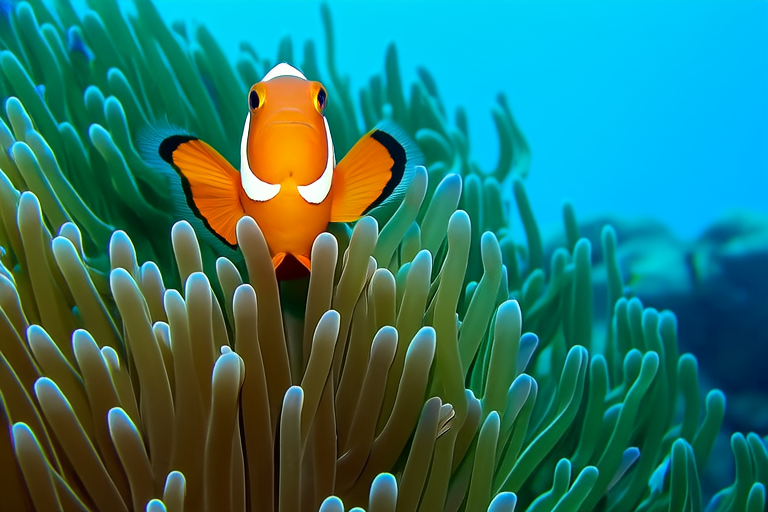
How Clownfish Survive in the Ocean: Tips from Nature’s Most Adaptable Fish
Clownfish, also known as anemonefish, are some of the most recognizable and beloved marine creatures. Their striking coloration, endearing behavior, and unique symbiotic relationship with sea anemones make them a favorite subject for both marine enthusiasts and casual aquarium viewers. This article delves into the fascinating world of clownfish, exploring their survival tactics, adaptations, and behaviors that allow them to thrive in the vast and often harsh ocean environment.
The Unique Relationship with Sea Anemones
One of the most distinctive features of clownfish is their symbiotic relationship with sea anemones. These fish are able to live among the tentacles of anemones without being stung, a phenomenon that has long intrigued scientists and nature lovers alike. The anemones provide protection from predators, offering a safe haven where clownfish can hide and rest. In return, the clownfish help the anemone by driving away potential threats, such as butterfly fish, which might otherwise feed on the anemone’s tentacles. Additionally, the clownfish’s waste provides nutrients that can benefit the anemone, creating a mutually beneficial relationship.
Physical Adaptations for Protection
Clownfish have evolved several physical traits that aid in their survival. One of the most notable is their vibrant coloration, which serves multiple purposes. Bright colors can act as a warning to potential predators, indicating that the fish may be toxic or difficult to digest. Indeed, clownfish are covered in a layer of mucus that makes them resistant to the anemone’s stinging cells, called nematocysts. Over time, clownfish have adapted to this environment, developing a tolerance to the toxins produced by the anemone. This adaptation is crucial for their survival, as it allows them to coexist safely within the anemone’s tentacles.
In addition to their coloration, clownfish exhibit specific behaviors that enhance their safety. They often swim in tight circles around the anemone, a behavior that not only helps them avoid becoming disoriented but also keeps them close to the protective tentacles. This behavior is particularly useful when the tide changes or currents shift, ensuring that the clownfish remain within the anemone’s protective embrace.
Navigating Ocean Currents and Finding Food
Life in the ocean is not static; currents, tides, and waves constantly move and reshape the environment. Clownfish have developed sophisticated navigation skills to cope with these dynamic conditions. They rely on a combination of environmental cues, including water temperature, salinity, and even the Earth’s magnetic field, to orient themselves and move efficiently through the water. By understanding these factors, clownfish can travel long distances and locate new sources of food.
Clownfish are omnivorous, feeding on algae, plankton, and small invertebrates. Their diet is diverse, allowing them to adapt to different environments and take advantage of various food sources. However, finding food in the vast ocean can be challenging. Clownfish have developed keen senses to locate prey, including sharp eyesight and a strong sense of smell. These sensory adaptations enable them to detect movement and chemical signals from potential food sources, increasing their chances of survival.
Social Structure and Reproductive Strategies
Clownfish live in complex social groups within the anemone. Typically, a group consists of a dominant breeding pair and several non-breeding individuals. This hierarchical structure ensures that resources are shared effectively and that the group remains stable. The dominant pair is responsible for reproduction, while the other members assist in caring for the eggs and young. When the dominant female dies, the largest male will transform into a female and take over her role, ensuring the continuity of the group.
The reproductive strategy of clownfish is another aspect of their remarkable adaptability. Clownfish lay their eggs in a carefully selected location, usually near the base of the anemone. The male clownfish takes on the primary responsibility of guarding the eggs, fanning them with his fins to ensure proper oxygenation and warding off potential predators. Once the eggs hatch, the larvae are carried away by ocean currents, eventually settling in new locations and starting the cycle anew.
Insights from Studying Clownfish
The study of clownfish provides valuable insights into broader ecological understanding and conservation efforts. Their unique relationship with sea anemones highlights the importance of symbiosis in marine ecosystems. Understanding how these relationships function can inform conservation strategies aimed at protecting vulnerable species and habitats.
Moreover, clownfish serve as model organisms for studying adaptation and evolution. Their ability to tolerate anemone toxins and navigate complex ocean environments demonstrates the power of natural selection. By examining these processes, researchers can gain a deeper understanding of evolutionary mechanisms and apply this knowledge to other areas of biology.
Finally, clownfish are popular subjects for educational programs and outreach initiatives. Their captivating behavior and striking appearance make them excellent ambassadors for marine conservation. By raising awareness about the challenges facing marine life, these programs can inspire action and support for conservation efforts.
Conclusion
Clownfish are truly remarkable creatures, showcasing a range of adaptations that allow them to thrive in the ocean. From their unique relationship with sea anemones to their sophisticated navigation skills and social structures, these fish embody the resilience and adaptability of marine life. By studying clownfish, we can gain valuable insights into the complexities of marine ecosystems and contribute to ongoing conservation efforts. As we continue to explore and protect our oceans, clownfish will undoubtedly play an important role in shaping our understanding of the natural world.
