The Unique Behaviors of Leopard Geckos That Will Amaze You
Leopard geckos, scientifically known as Eublepharis macularius, have become one of the most popular reptile pets due to their docile nature, easy care requirements, and vibrant colors. These small lizards, native to the arid regions of Afghanistan, Pakistan, and India, have captured the hearts of many reptile enthusiasts. Their unique behaviors, from their nocturnal lifestyle to their remarkable survival mechanisms, make them fascinating creatures to observe and study. In this article, we will delve into some of the most intriguing behaviors of leopard geckos that will amaze you.
Nocturnal Habits: Adapting to Nighttime Activities
One of the most distinctive features of leopard geckos is their nocturnal nature. Unlike many other reptiles that bask in the sun during the day, leopard geckos are primarily active at night. This adaptation allows them to avoid the extreme heat of their desert habitat during the day while also reducing their exposure to potential predators.
Leopard geckos have several physical adaptations that enable them to thrive in the dark. They possess excellent night vision, thanks to a high density of rod cells in their retinas, which help them see in low light conditions. Additionally, their pupils can dilate fully, allowing maximum light intake even in dim environments. These geckos are also equipped with sensitive hearing, which helps them detect the movements of prey and other environmental cues in the darkness.
During the day, leopard geckos usually remain hidden in burrows or under rocks, conserving energy and regulating their body temperature. At night, they emerge to hunt for insects such as crickets, mealworms, and waxworms. Owners can observe their activity by providing hiding spots and ensuring proper lighting cycles in their enclosures.
Autotomy: The Ability to Drop Their Tails for Escape
Another fascinating behavior of leopard geckos is their ability to shed their tails when threatened, a process known as autotomy. This defense mechanism is particularly useful when a predator attempts to grab them. By dropping their tail, the gecko can distract the predator long enough to escape. The detached tail continues to wiggle for several minutes, further diverting attention away from the fleeing lizard.
While losing a tail is a significant event for a leopard gecko, it does not harm them permanently. Over time, the gecko will regenerate a new tail, although it may not be identical to the original. The regenerated tail often has a different shape and pattern, sometimes appearing stubbier or with less distinct spots. This regrowth is possible because the tail contains a reserve of stem cells that can differentiate into various cell types necessary for regeneration.
Owners should be cautious not to handle their geckos roughly, as excessive stress or improper handling can trigger autotomy. It’s important to create a calm and secure environment for your pet to prevent unnecessary tail loss.
Unique Feeding Behaviors: Using Their Tongues to Catch Prey
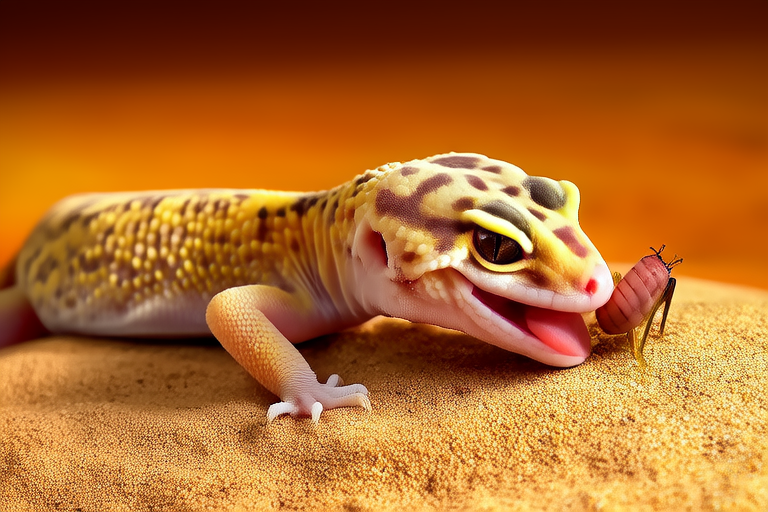
Leopard geckos are skilled hunters, relying on their keen senses to locate and capture prey. One of the most remarkable aspects of their feeding behavior is the way they use their tongues to catch insects. Unlike snakes, which flick their tongues to gather chemical information about their surroundings, leopard geckos use their tongues to physically grasp and manipulate prey.
When hunting, a leopard gecko will lie in wait, perfectly still, until an insect comes within reach. With lightning-fast reflexes, the gecko will dart its tongue out, wrapping it around the prey and pulling it back into its mouth. This action is so quick that it can be difficult to witness without slow-motion video. The tongue is sticky and lined with tiny hooks, making it effective for catching slippery insects.
In captivity, it’s essential to provide live insects for your gecko to ensure they get the exercise and stimulation needed to maintain their health. Owners should also offer a variety of prey items to meet the gecko’s nutritional needs. Dusting the insects with calcium powder before feeding helps prevent metabolic bone disease, a common issue in captive reptiles.
Temperature Preferences and Thermoregulation
Leopard geckos are ectothermic animals, meaning they rely on external sources of heat to regulate their body temperature. In the wild, they bask in the sun during the cooler parts of the day to warm up and retreat to shaded areas when temperatures rise too high. This behavior, known as thermoregulation, is crucial for maintaining optimal physiological functions.
In captivity, owners must replicate this temperature gradient within the enclosure. A hot spot of around 90°F (32°C) should be provided on one side of the tank, while the cooler side should be around 75°F (24°C). This allows the gecko to move between the two areas as needed to control its body temperature. Providing a heat lamp or ceramic heater can achieve these temperatures, but it’s important to use a thermostat to prevent overheating.
Leopard geckos also require a humidity level of approximately 30-40% to maintain healthy skin and aid in shedding. Owners can increase humidity by misting the enclosure or placing a shallow water dish inside. However, it’s vital to ensure that the substrate remains dry to prevent mold growth and respiratory issues.
Tips for Owners to Understand and Respect These Behaviors
Understanding and respecting the unique behaviors of leopard geckos is key to providing them with a happy and healthy life. Here are some tips for owners to consider:
- Provide ample hiding spots: Leopard geckos need places to hide both during the day and night. Use caves, tunnels, and other decorations to create a comfortable environment.
- Respect their nocturnal nature: Avoid disturbing your gecko during the day, as they need rest to conserve energy for their nighttime activities.
- Handle gently: To prevent autotomy, always support the gecko’s body when handling and avoid grabbing it by the tail.
- Monitor feeding habits: Ensure your gecko is eating regularly and offer a varied diet to promote overall health.
- Check for signs of stress: If your gecko exhibits unusual behaviors, such as excessive hiding or refusal to eat, consult a veterinarian to rule out health issues.
By following these guidelines, owners can enjoy a rewarding relationship with their leopard geckos while respecting their natural behaviors and needs.
Leopard geckos are truly remarkable creatures with a plethora of unique behaviors that continue to captivate and amaze both novice and experienced reptile enthusiasts. From their nocturnal habits and autotomy to their fascinating feeding behaviors and precise temperature preferences, these little lizards offer endless opportunities for observation and learning. By understanding and respecting their natural tendencies, owners can provide the best possible care for their beloved pets and ensure they lead healthy, fulfilling lives.
