From Backyard to Home: How to Successfully Adopt a Three-Striped Box Turtle
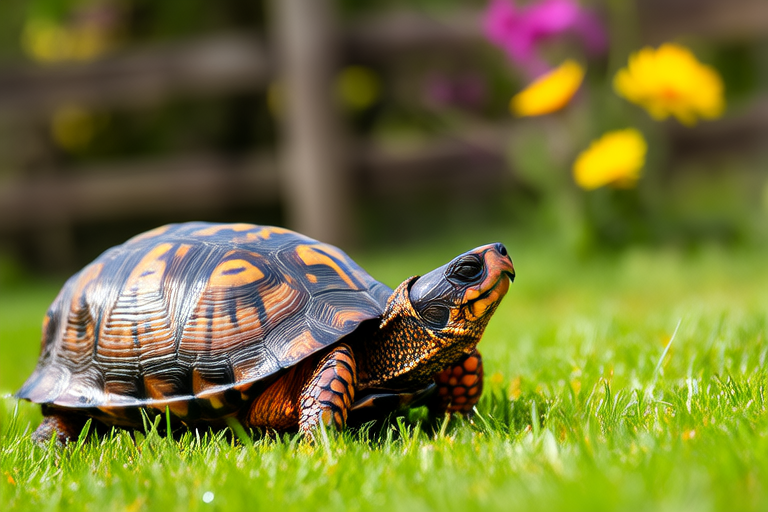
The three-striped box turtle (Terrapene carolina triunguis) is a small, charming reptile native to the southeastern United States. Known for their distinctive three yellow stripes running down their dark shells, these turtles are beloved by many for their docile nature and relatively low maintenance care requirements. With proper care, they can live up to 30 years or more, making them a rewarding addition to any home. This guide will walk you through everything you need to know about adopting and caring for your own three-striped box turtle.
Introduction: The Unique Charm of Three-Striped Box Turtles
Three-striped box turtles are captivating creatures, not just because of their striking appearance but also due to their calm demeanor. Unlike some other reptiles that can be skittish or aggressive, these turtles tend to be gentle and easygoing, which makes them excellent pets for beginners and experienced herpetologists alike. Their natural habitat includes open woodlands, grasslands, and wetlands, where they spend most of their time foraging for food and basking in the sun. When brought into captivity, they adapt well if provided with the right environment and care.
Research Before Adoption
Before bringing a three-striped box turtle into your home, it’s essential to conduct thorough research. Understand the turtle’s specific needs, including dietary requirements, housing conditions, and healthcare. Visit local pet stores, reptile expos, and online forums to gather information from experienced owners and experts. Consider factors such as space availability, financial commitment, and time investment needed for daily care. Additionally, check local laws regarding ownership; some regions have restrictions on keeping certain species as pets.
Suitable Habitats: Indoor and Outdoor Options
Outdoor Enclosures
An outdoor enclosure offers a more natural setting for your three-striped box turtle. Ensure the area is secure against predators like raccoons, dogs, and cats. The enclosure should provide ample space for movement, basking areas, hiding spots, and access to water. A mix of soil, sand, and mulch creates a comfortable substrate. Incorporate plants for cover and shade. Regularly monitor the enclosure’s temperature and humidity levels to mimic their natural habitat.
Indoor Setups
If an outdoor setup isn’t feasible, an indoor vivarium can suffice. Use a large tank with a minimum size of 4 square feet per adult turtle. Provide a combination of moist substrate (such as coconut fiber or sphagnum moss) and dry areas. Install UVB lighting to promote vitamin D synthesis and heat lamps to maintain optimal temperatures between 75°F and 85°F during the day, dropping slightly at night. Include hide boxes, branches for climbing, and a shallow water dish.
Diet Requirements
Three-striped box turtles are omnivorous, meaning they eat both plant matter and animal protein. Their diet should consist of a variety of vegetables, fruits, insects, and occasional commercial turtle pellets. Offer leafy greens like kale, collard greens, and dandelion leaves, along with chopped fruits such as strawberries, blueberries, and melon. Supplement their meals with live feeder insects like crickets, mealworms, and earthworms. Ensure fresh water is always available for drinking and soaking.
Health Considerations
Regular veterinary check-ups are crucial for maintaining your turtle’s health. Common issues include respiratory infections, shell rot, and metabolic bone disease. Symptoms of illness may include lethargy, loss of appetite, swollen eyes, or abnormal breathing. Preventative measures include maintaining clean living conditions, providing appropriate nutrition, and ensuring adequate exposure to UVB light. Quarantine newly acquired turtles for several weeks to prevent introducing parasites or diseases into your existing collection.
Legal Aspects of Ownership
Before adopting a three-striped box turtle, familiarize yourself with local regulations governing reptile ownership. Some states require permits or licenses, while others prohibit keeping native species altogether. Check federal laws as well, particularly if you plan to transport your turtle across state lines. Understanding these rules ensures compliance and helps protect wildlife populations.
Tips for Socializing and Caring for Your Turtle
Building trust with your three-striped box turtle takes patience and consistency. Handle them gently but frequently, allowing them to become accustomed to human interaction. Avoid sudden movements or loud noises around them, as this could cause stress. Provide enrichment activities, such as puzzle feeders or shallow water dishes, to stimulate mental engagement. Clean their enclosure regularly to prevent bacterial growth and ensure hygiene.
Common Challenges and Solutions
New owners often encounter difficulties when adapting to life with a three-striped box turtle. One common issue is establishing feeding routines. Some turtles may initially refuse food, especially if they’re stressed or adjusting to new surroundings. Introducing familiar scents, such as those found in their previous environment, might encourage eating. Another challenge is managing shedding cycles, particularly during spring and fall. Keep the humidity level consistent to aid in smooth skin turnover.
Conclusion: Resources for Further Learning and Support Groups
Adopting a three-striped box turtle is a rewarding experience that requires dedication and knowledge. By following the guidelines outlined above, you’ll be well-prepared to provide your new companion with a happy, healthy life. For additional assistance, consult books on reptile care, join online communities dedicated to turtle enthusiasts, and attend workshops led by professionals in the field. These resources offer valuable insights and support throughout your journey as a turtle owner.
