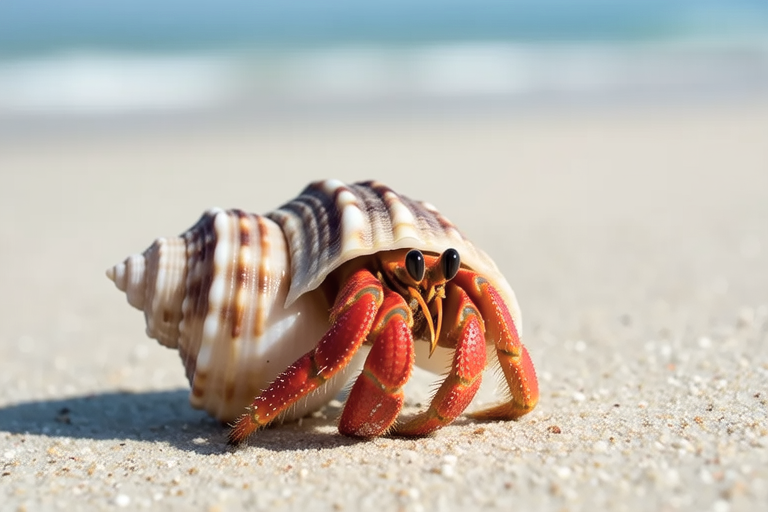
The Unique World of Hermit Crabs: Insights into Their Shell Switching Habits
Hermit crabs are fascinating creatures that stand out among crustaceans due to their unique lifestyle. Unlike their more familiar relatives like lobsters or shrimp, hermit crabs have a soft, vulnerable abdomen that requires protection. This peculiarity sets them apart, making them one of the most intriguing animals in the ocean.
The Necessity of Shells for Protection and Growth
The primary reason hermit crabs need shells is for protection. Their soft bodies are highly susceptible to predators, and a borrowed shell provides a formidable defense. The shell also aids in growth; as hermit crabs expand, they must find larger shells to accommodate their increasing size. Without this essential accessory, survival would be nearly impossible. The shell acts as a shield, safeguarding the hermit crab from harm and enabling it to thrive in its environment.
The Process of Shell Switching: How and Why They Change Shells
Hermit crabs are constantly on the lookout for new shells, a behavior driven by both necessity and comfort. As they grow, they outgrow their current shell, prompting a search for a larger one. The process of finding a new home can be arduous but ultimately rewarding. When a suitable shell is found, the hermit crab cautiously inspects it, ensuring it fits perfectly. Once satisfied, it quickly moves in, leaving its old shell behind.
Interestingly, hermit crabs often participate in communal shell exchanges. In these events, several crabs gather around a group of shells, each trying to upgrade to a better fit. These gatherings can become competitive, with crabs sometimes fighting over the best options. Despite the occasional skirmish, the overall process is generally peaceful, showcasing the social nature of these creatures.
Environmental Factors Influencing Shell Selection
The availability and competition for shells play significant roles in determining where hermit crabs live and what shells they choose. Coastal regions rich in gastropod shells provide ideal habitats, attracting large populations of hermit crabs. However, in areas where suitable shells are scarce, hermit crabs may struggle to find adequate protection, leading to increased competition and stress.
Hermit crabs also consider the size, shape, and weight of potential shells. A well-fitting shell not only offers better protection but also improves mobility. Crabs prefer shells that are light enough to carry easily but heavy enough to deter predators. This balance ensures optimal safety and efficiency in their daily activities.
Interesting Facts About Hermit Crab Behavior and Ecosystem Interactions
Hermit crabs exhibit a wide range of behaviors that contribute to the health and diversity of their ecosystems. They are known to participate in mutualistic relationships with sea anemones, attaching these organisms to their shells for added protection. In return, the anemones benefit from the nutrients produced by the hermit crab’s waste. This symbiotic relationship demonstrates the intricate web of life in marine environments.
Hermit crabs also play a crucial role in nutrient cycling within their ecosystems. By scavenging dead organisms and decaying matter, they help break down organic material, contributing to the recycling of nutrients. Additionally, their burrowing activities improve soil aeration, benefiting plants and other organisms living in the vicinity.
Conservation Efforts and Sustainable Shell Sources
The preservation of hermit crab habitats is paramount for the survival of these remarkable creatures. Conservation efforts focus on protecting coastal areas and ensuring the sustainability of shell sources. One key initiative involves promoting the use of artificial shells, which can help alleviate pressure on natural resources. Educational programs raise awareness about the importance of hermit crabs and encourage responsible practices.
Efforts to combat pollution and protect marine biodiversity are also vital. By reducing plastic waste and supporting initiatives that restore damaged ecosystems, we can create healthier environments for hermit crabs and countless other species. These actions not only benefit the hermit crabs but also contribute to the overall health of our oceans.
In conclusion, hermit crabs are truly unique creatures with a fascinating world all their own. Their reliance on shells for protection and growth, combined with their complex social behaviors and vital roles in ecosystems, make them a captivating subject of study. By understanding and appreciating these aspects, we can work towards ensuring the continued existence of hermit crabs and the diverse marine environments they inhabit.
