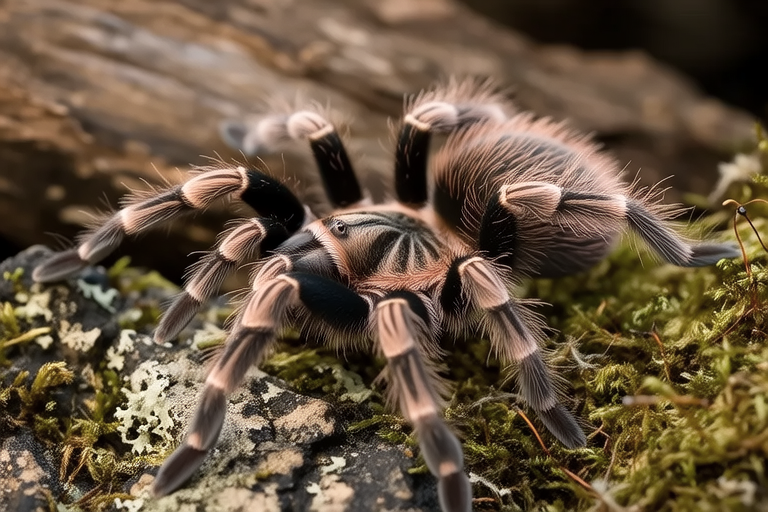
Adventures in Arachnophilia: Raising a Happy and Healthy Chilean Rose Tarantula at Home
Welcome to the world of arachnophilia! If you’re considering adopting a Chilean Rose Tarantula (Grammostola rosea) as your new pet, you’ve chosen a fascinating and rewarding companion. Known for their docile nature and vibrant colors, these tarantulas are perfect for beginners and seasoned arachnophiles alike. In this guide, we’ll walk you through everything you need to know about creating a thriving environment for your Chilean Rose Tarantula and ensuring its happiness and health.
The Unique Appeal of Chilean Rose Tarantulas
Chilean Rose Tarantulas are one of the most popular choices for tarantula enthusiasts due to their relatively small size, calm demeanor, and beautiful coloration. These tarantulas, native to Chile, are known for their pinkish-brown legs and a soft, velvety appearance that makes them particularly appealing. Their manageable size also makes them ideal for apartment dwellers or those with limited space. Moreover, they require minimal maintenance compared to other pets, making them perfect for busy individuals.
Setting Up the Perfect Habitat
Enclosure Size
A proper enclosure is crucial for your tarantula’s well-being. A 10-gallon tank or a similarly sized terrarium is sufficient for a single adult Chilean Rose Tarantula. Ensure the enclosure has a secure lid to prevent escapes and to maintain the necessary humidity levels.
Substrate
The substrate you choose should be at least twice the depth of your tarantula’s leg span. Coconut fiber or a mix of peat moss and vermiculite works well. These substrates retain moisture and provide the burrowing environment that Chilean Rose Tarantulas prefer.
Temperature and Humidity
Maintaining the right temperature and humidity is vital. The ideal temperature range is between 75°F and 85°F (24°C to 29°C). Use a digital thermometer and hygrometer to monitor these conditions. Keep humidity levels around 60% to 80%. A shallow water dish can help maintain humidity levels, but ensure it doesn’t become a breeding ground for bacteria.
Lighting Requirements
Chilean Rose Tarantulas are nocturnal and do not require UV lighting. However, providing a low-wattage red light bulb can aid in observing your tarantula during the night without disturbing its natural behavior. Avoid direct sunlight as it can cause overheating.
Feeding Practices
Your tarantula’s diet should consist primarily of crickets, mealworms, and dubia roaches. Feed juveniles every 3-5 days and adults once a week. Ensure the prey items are no larger than half the width of your tarantula’s abdomen. Gut-loading the prey with nutritious foods like vegetables and fruits before feeding can enhance your tarantula’s health.
Common Health Issues and Prevention
Like any pet, Chilean Rose Tarantulas can face health issues. Common problems include dehydration, mites, and molting complications. Regularly check for signs of distress such as lethargy, loss of appetite, or abnormal behaviors. To prevent issues, maintain optimal environmental conditions and quarantine new acquisitions for several weeks before introducing them to your existing tarantula.
Tips for Handling and Bonding
Handling your tarantula should be done with care and respect. Always wash your hands before and after handling to avoid transferring oils or contaminants. Gently scoop your tarantula from the front, supporting its body and legs. Avoid handling during the molting process, as it can be stressful and harmful. Bonding with your tarantula takes time, but observing its behavior and providing a stimulating environment will strengthen your relationship.
Sourcing a Healthy Tarantula
When acquiring a Chilean Rose Tarantula, it’s important to source from reputable breeders or pet stores. Look for tarantulas that are active, have clear eyes, and exhibit no signs of injury or illness. Request to see the tarantula eat to ensure it’s feeding properly.
Ongoing Education Resources
To continue learning about tarantula care, join online forums and local hobbyist groups. Books like ‘The Tarantula Keeper’s Guide’ by Stanley Schultz and Rudiger Schmidt offer comprehensive information on tarantula husbandry. Websites dedicated to arachnid care can also provide valuable insights and community support.
Raising a Chilean Rose Tarantula is an enriching experience that brings joy and companionship. By following these guidelines, you can ensure your tarantula lives a long, healthy, and happy life. Remember, patience and dedication are key to building a strong bond with your eight-legged friend. Enjoy your adventures in arachnophilia!
