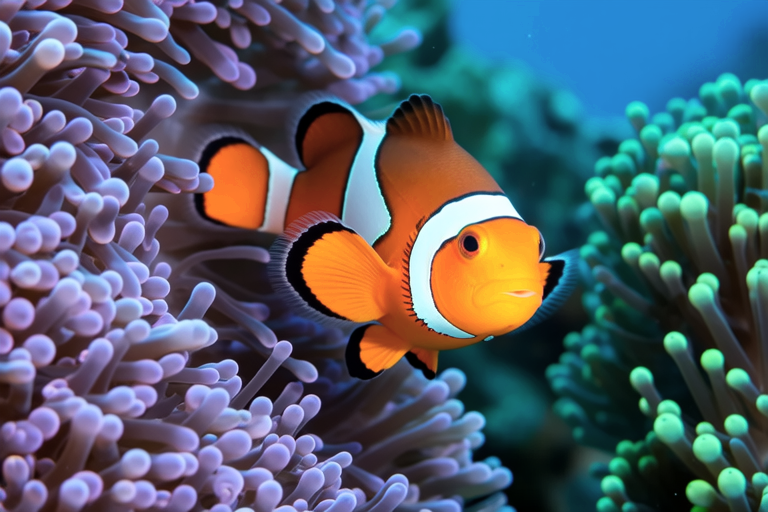
The Ultimate Guide to Choosing the Perfect Clownfish for Your Tank
Clownfish, with their vibrant colors and playful personalities, have become one of the most popular choices for marine aquarium enthusiasts. However, selecting the right clownfish for your tank requires careful consideration of various factors. This comprehensive guide will walk you through everything you need to know about choosing, maintaining, and caring for clownfish in your home aquarium.
Understanding Different Clownfish Species Suitable for Home Aquariums
There are several species of clownfish that are well-suited for home aquariums. Some of the most popular include the Amphiprion ocellaris (commonly known as the false clownfish), Amphiprion percula (true clownfish or orange clownfish), Amphiprion clarkii (Clark’s clownfish), and Amphiprion melanopus (red and black clownfish).
Each species has its unique characteristics, such as coloration, size, and temperament. The false clownfish is known for its iconic white stripes against an orange body, while the true clownfish is slightly larger and more vibrantly colored. Clark’s clownfish can grow up to 14 cm and is often considered more aggressive than other species. Red and black clownfish are highly sought after for their striking appearance but require more space due to their larger size.
Factors to Consider When Selecting a Clownfish
Tank Size
One of the most crucial considerations when choosing a clownfish is the size of your tank. Clownfish generally require at least 30 gallons of water, but larger species may need more space. It’s important to ensure that your tank provides ample swimming room and hiding spots for your fish to feel secure.
Water Parameters
Maintaining proper water conditions is essential for the health and well-being of your clownfish. Optimal parameters include a pH level between 8.1 and 8.4, specific gravity ranging from 1.020 to 1.025, and temperature between 76°F and 82°F. Regular testing and maintenance of these parameters are necessary to prevent stress and disease in your fish.
Tank Mates
Choosing compatible tank mates is another critical factor. Clownfish are typically peaceful but can become territorial if overcrowded or housed with aggressive species. Good tank mates for clownfish include small, non-aggressive fish like damselfish, goby, and blenny. It’s also worth noting that clownfish often form symbiotic relationships with sea anemones, providing mutual protection and benefits.
Tips for Acclimating New Clownfish to an Existing Tank Environment
Proper acclimation is vital to ensure that your new clownfish adapts smoothly to its new home. Begin by floating the bag containing the fish in your tank for approximately 15 minutes to equalize temperatures. Then, slowly add small amounts of tank water to the bag over the next hour. After this period, gently net the fish into the tank, ensuring minimal exposure to the open air.
Monitor your new addition closely during the first few days, as they may exhibit signs of stress or illness. Providing hiding spots and minimizing sudden changes in water parameters can help ease the transition and promote faster adaptation.
Dietary Requirements
Clownfish are omnivorous, meaning they consume both plant and animal matter. In the wild, their diet consists primarily of zooplankton, algae, and small crustaceans. To replicate this diet in captivity, offer a balanced mix of high-quality flake food, frozen or live brine shrimp, mysis shrimp, and spirulina-enriched flakes or pellets.
Feeding should be done two to three times daily, ensuring that only what the fish can consume within a couple of minutes is provided. Overfeeding can lead to poor water quality and potential health issues.
Common Health Issues to Watch Out For
Despite being hardy fish, clownfish can still fall victim to certain health problems if not cared for properly. Some common issues include:
- Ich (White Spot Disease): Characterized by small white spots on the fish’s body, ich is caused by parasites and can be treated with over-the-counter medications.
- Fungal Infections: Fungus appears as cotton-like growths on the fish and is often a secondary infection resulting from injuries or poor water quality. Maintaining optimal water conditions and addressing any underlying issues promptly can prevent fungal infections.
- Bloat: Caused by overfeeding or poor water quality, bloat results in a swollen abdomen and difficulty swimming. Adjusting feeding schedules and improving water parameters are key to treating bloat.
Regular observation and prompt action can help catch these issues early and improve the chances of successful treatment.
Caring for Clownfish in a Saltwater Aquarium
Creating a thriving environment for your clownfish involves more than just selecting the right species and tank mates. Proper filtration, regular water changes, and maintaining stable water parameters are essential components of successful saltwater aquarium management. Additionally, providing appropriate lighting, heating, and aeration ensures that your fish remain healthy and active.
It’s also important to note that clownfish are known for their ability to host sea anemones, forming a mutually beneficial relationship where the clownfish receives protection from predators and the anemone gains nutrients from the clownfish’s waste products. While not all clownfish will host anemones in captivity, providing live rock or artificial alternatives can still offer similar benefits.
Conclusion
Selecting the perfect clownfish for your tank involves careful consideration of various factors, including species selection, tank size, water parameters, and tank mates. By following the guidelines outlined in this guide, you can create a thriving environment that meets the needs of your clownfish and ensures their long-term health and happiness. Remember, patience and diligence are key to successfully maintaining a healthy and vibrant marine aquarium.
