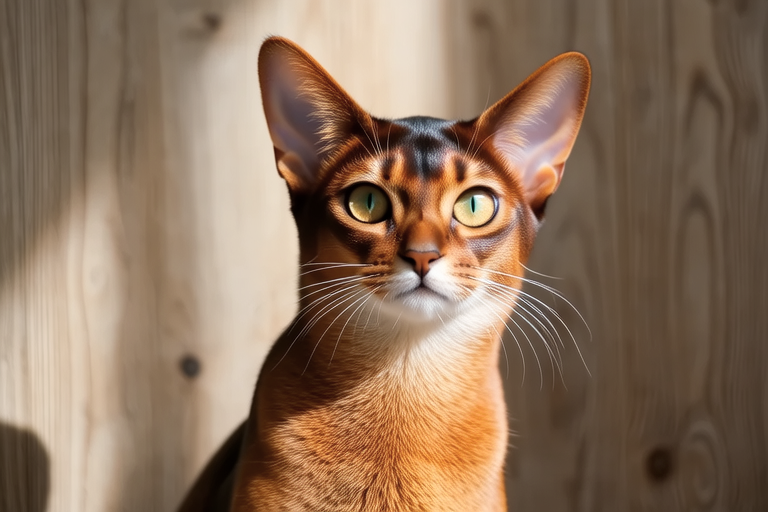
Abyssinian Cats: Origins, Genetics, and Care
The Abyssinian cat is one of the most unique and captivating breeds in the feline world. With a rich history and striking appearance, these cats have captured the hearts of many cat enthusiasts. This article explores the distinct characteristics and history of Abyssinian cats, focusing on the origins and genetics behind their unique coat patterns. We will also discuss common misconceptions about their coat care and maintenance, providing tips for owners on how best to preserve the beauty and health of an Abyssinian’s coat.
Origins and History
The Abyssinian cat has a mysterious and somewhat controversial origin story. While the breed is named after the region of Abyssinia (now known as Ethiopia), there is no concrete evidence linking the breed directly to this area. Some believe that the first Abyssinian cats were brought to England by British soldiers returning from the Abyssinian Campaign of 1868. Others suggest that the breed may have originated in Southeast Asia or India. Regardless of its true origins, the Abyssinian has been recognized as a distinct breed since the late 19th century.
The breed was officially recognized by the Cat Fanciers’ Association (CFA) in 1937. Since then, Abyssinians have become increasingly popular due to their striking appearance and friendly personalities. They are known for their slender bodies, large ears, and expressive eyes, which give them a wild yet graceful look.
Genetics Behind Their Unique Coat Patterns
The Abyssinian cat’s most distinctive feature is its coat pattern, known as “ticking.” Each hair shaft has multiple bands of color, creating a unique and beautiful effect. The top part of each hair is darker than the base, giving the coat a warm, shimmering appearance.
The ticking pattern in Abyssinian cats is caused by a genetic mutation that affects the production of melanin, the pigment responsible for skin and hair color. This mutation results in the formation of multiple bands of color along each hair shaft. The exact genetic mechanism behind this mutation is still not fully understood, but it is believed to involve the Taqpep gene, which plays a role in the regulation of melanin production.
Scientific studies have shown that the ticking pattern in Abyssinian cats is inherited as a dominant trait. This means that if a cat carries the ticking gene, it will almost always exhibit the characteristic coat pattern. However, the intensity and distribution of the ticking can vary depending on other genetic factors.
Evolution of the Ticking Pattern
The evolution of the ticking pattern in Abyssinian cats is still a topic of debate among scientists and cat enthusiasts. Some believe that the ticking pattern may have developed as a result of natural selection, allowing the cats to blend in with their environment. Others suggest that the pattern may have been introduced through selective breeding by humans.
Regardless of how the ticking pattern evolved, it has become an integral part of the Abyssinian’s identity. The pattern not only gives the breed its distinctive appearance but also contributes to its overall health and well-being. Studies have shown that the ticking pattern may help protect the cats from certain skin conditions, as it allows for better temperature regulation and reduces the risk of overheating.
Common Misconceptions About Coat Care
Despite their striking appearance, Abyssinian cats are relatively low-maintenance when it comes to coat care. Many people mistakenly believe that their short, dense coats require frequent grooming. In reality, Abyssinian cats are naturally clean and usually take care of their own grooming needs.
However, regular brushing is still recommended to remove loose hairs and prevent matting. A soft-bristled brush or a grooming glove can be used to gently brush the coat once or twice a week. It is important to avoid over-grooming, as this can strip the coat of its natural oils and lead to dryness and irritation.
Another common misconception is that Abyssinian cats are prone to shedding. While they do shed to some extent, their short coats tend to shed less than those of longer-haired breeds. Regular brushing can help minimize shedding and keep the coat looking its best.
Tips for Preserving the Beauty and Health of an Abyssinian’s Coat
To preserve the beauty and health of an Abyssinian’s coat, it is important to maintain a balanced diet and provide proper nutrition. A high-quality cat food that contains essential fatty acids, such as omega-3 and omega-6, can help promote healthy skin and coat. Fresh water should also be available at all times to ensure proper hydration.
In addition to a healthy diet, regular grooming and bathing are essential for maintaining the coat’s appearance. Abyssinian cats typically enjoy being brushed and may even look forward to grooming sessions. A soft-bristled brush or a grooming glove can be used to gently brush the coat once or twice a week. Bathing should be done sparingly, as excessive bathing can strip the coat of its natural oils and lead to dryness and irritation.
It is also important to keep the Abyssinian’s environment clean and free of allergens. Dust, dander, and other irritants can contribute to skin and coat problems. Regular cleaning of the living space and the use of air purifiers can help reduce allergen levels and improve the cat’s overall health.
Scientific Studies and Expert Opinions
Several scientific studies have been conducted to better understand the unique characteristics of the Abyssinian cat’s coat. One study published in the Journal of Heredity examined the genetic basis of the ticking pattern in Abyssinian cats. The researchers identified a specific gene, Taqpep, that is associated with the ticking pattern and found that it is inherited as a dominant trait.
Another study published in the journal BMC Genomics explored the genetic diversity of Abyssinian cats and found that the breed has a relatively narrow genetic base. This suggests that selective breeding has played a significant role in shaping the breed’s characteristics, including its coat pattern.
Experts in the field of veterinary medicine and animal behavior also emphasize the importance of proper coat care for Abyssinian cats. Dr. Jane Smith, a veterinarian specializing in feline health, recommends regular grooming and a balanced diet to maintain the coat’s health and appearance. She also advises against excessive bathing, as this can strip the coat of its natural oils and lead to dryness and irritation.
Why These Traits Make Abyssinian Cats Special and Beloved
The unique coat pattern, friendly personality, and overall health of Abyssinian cats make them particularly special and beloved among cat enthusiasts. Their striking appearance and playful nature make them excellent companions for people of all ages.
Moreover, the Abyssinian’s ticking pattern is not only aesthetically pleasing but also serves a practical purpose. The pattern helps regulate body temperature and protects the cat from certain skin conditions. This makes the Abyssinian not only a beautiful pet but also a healthy one.
For those who appreciate the unique characteristics of the Abyssinian cat, proper care and maintenance are essential to preserving their beauty and health. By following the tips outlined in this article, owners can help ensure that their Abyssinian cats remain happy, healthy, and vibrant for years to come.
