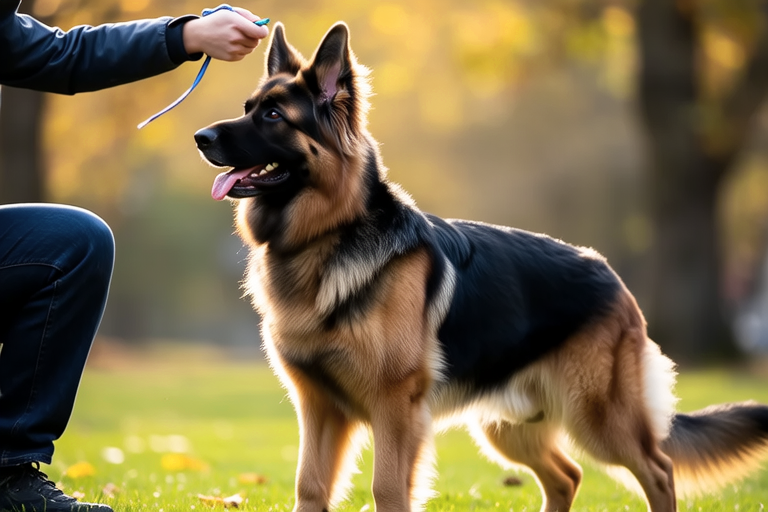
How to Train Your German Shepherd: Expert Tips for Success
Welcome to the world of German Shepherds! Known for their loyalty, strength, and intelligence, these dogs are among the most popular breeds worldwide. German Shepherds are highly trainable, making them ideal companions for families, service work, and various other roles. However, their intelligence also means that they require consistent guidance and clear communication from their owners. This article will provide you with expert tips to successfully train your German Shepherd, ensuring a strong bond and a well-behaved pet.
Establishing Leadership
The foundation of successful German Shepherd training lies in establishing yourself as the leader of the pack. German Shepherds are naturally protective and can be territorial, so it’s crucial to demonstrate calm authority. Begin by setting clear boundaries from the start. This includes controlling access to certain areas of the home and establishing routines for feeding and exercise. Consistency is key; your dog should learn that you are in charge through repetition and reinforcement.
Use positive reinforcement techniques to encourage good behavior. Reward your dog with treats, praise, or playtime when they follow your instructions. Avoid harsh punishments, as this can lead to fear-based obedience rather than a willing partnership. Instead, focus on building trust and respect through positive interactions.
Basic Commands
Sit
The “Sit” command is one of the first commands you should teach your German Shepherd. Hold a treat above your dog’s head and move it slightly backward, prompting them to sit. As soon as they do, say “Sit” and give them the treat. Repeat this process several times a day until your dog associates the word with the action.
Stay
Once your dog has mastered “Sit,” you can introduce the “Stay” command. Start with short durations and gradually increase the time. Stand in front of your dog and extend your hand palm out while saying “Stay.” Take a few steps back and reward your dog if they remain in place. Gradually increase the distance and duration over time.
Come
The “Come” command is essential for ensuring your dog’s safety. To teach this command, use a long leash in a safe area. Call your dog’s name followed by “Come” in a cheerful tone. When they approach, reward them with treats and praise. Practice this command in various locations and distractions to reinforce reliability.
Socialization Techniques
Socializing your German Shepherd is vital for their emotional development and behavior around other people and animals. Expose your puppy to different environments, sounds, and experiences from an early age. This helps them become confident and adaptable adults. Introduce your dog to various stimuli such as children, other pets, and unfamiliar noises. Always ensure these experiences are positive and supervised.
Consider enrolling your dog in puppy classes where they can interact with other dogs under professional guidance. These classes provide a structured environment for learning and socializing. Additionally, regular visits to dog parks can help your German Shepherd become comfortable in public spaces.
Advanced Training Tips
Once your German Shepherd has mastered basic commands, you can move on to more advanced training. Teach your dog specific tasks such as fetching, carrying objects, or even participating in agility exercises. These activities not only challenge your dog mentally but also strengthen the bond between you and your pet.
For more specialized training, consider enlisting the help of a professional trainer. They can offer personalized advice and techniques tailored to your dog’s individual needs and personality. Professional training can also be beneficial for addressing any behavioral issues that may arise during the training process.
Common Challenges
Training a German Shepherd can present unique challenges due to their strong-willed nature. One common issue is dominance, where your dog may try to assert control over you. To address this, maintain a consistent training routine and use positive reinforcement to reinforce your leadership role. Another challenge is separation anxiety, which can manifest as destructive behavior or excessive barking when left alone. Counter-conditioning techniques, such as providing toys or treats to keep your dog occupied, can help alleviate this problem.
Patience is crucial when dealing with these challenges. Every dog learns at their own pace, and setbacks are part of the process. Stay committed to your training goals, and remember that consistency and positive reinforcement are key to overcoming obstacles.
Maintaining Consistency
Consistency is paramount in German Shepherd training. Use the same commands and hand signals each time, and ensure all family members follow the same training methods. This creates a cohesive approach and prevents confusion for your dog. Regular practice sessions reinforce what has been learned and help prevent regression.
Incorporate training into daily routines, such as meal times or walks. This not only reinforces commands but also strengthens the bond between you and your dog. Remember, training is an ongoing process, and continuous effort ensures long-term success.
Rewarding Good Behavior
Praise and rewards are essential components of effective training. Celebrate your dog’s successes with enthusiastic praise and treats. Positive reinforcement encourages repetition of desired behaviors, making your German Shepherd more responsive and eager to please.
Vary your rewards to keep training sessions engaging. Treats, verbal praise, and playtime can all serve as effective motivators. Tailor your approach to what your dog enjoys most, ensuring they associate training with positive experiences.
The Importance of Patience
Training a German Shepherd requires patience and perseverance. Understand that every dog is unique, and progress may vary. Some days may feel like setbacks, but persistence pays off in the end. Celebrate small victories along the way and maintain a positive attitude. With dedication and consistency, you’ll build a strong, well-trained companion.
