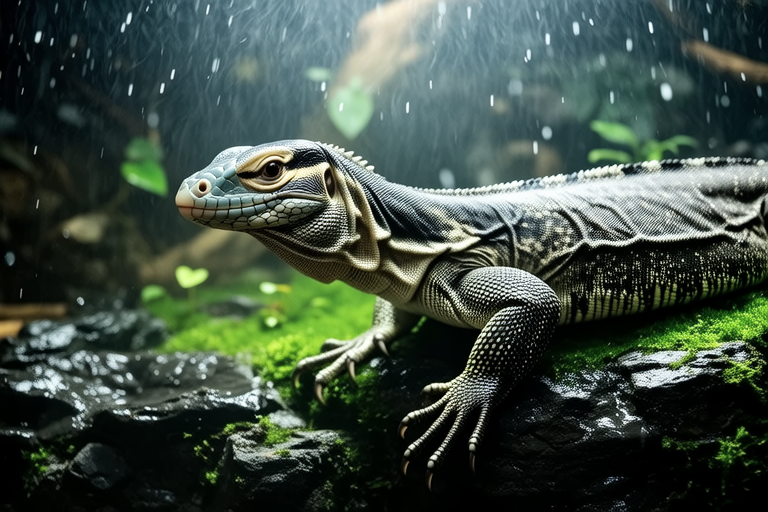
The Ultimate Care Sheet for Water Monitors: Tips from Experts
Water monitors (Varanus salvator) are among the largest lizards in the world, known for their impressive size and aquatic capabilities. Their care requires dedication and expertise. This comprehensive guide offers essential advice from experts to help you provide the best possible environment for your water monitor.
Habitat Setup
Creating an ideal habitat is crucial for the well-being of your water monitor. Start with a spacious enclosure; experts recommend at least 16 square feet per adult monitor. The tank should be large enough to accommodate swimming, climbing, and basking areas.
Ensure the tank includes a deep water area, as these lizards spend a significant amount of time in water. The depth should be sufficient for swimming but not so deep that it poses drowning risks. A basking platform should also be provided, allowing the lizard to fully extend its body above the water level.
Substrate choice is vital. Many experts suggest using a mixture of sand and soil to mimic natural environments, ensuring it’s free from harmful chemicals. Avoid substrates like wood chips or gravel, which can pose ingestion hazards. Additionally, maintain proper humidity levels between 70% and 80% to support the lizard’s respiratory system.
Temperature regulation is critical. Install a heat lamp on one side of the enclosure for a basking spot, maintaining temperatures around 95°F to 100°F. The cooler end should be around 75°F to 85°F. UVB lighting is essential for calcium absorption and overall health, so include a high-quality UVB bulb.
Diet Requirements
Water monitors are carnivorous, requiring a balanced diet rich in protein. Their diet should consist of live insects, small rodents, fish, and occasionally eggs. Experts recommend feeding juveniles daily, while adults can be fed every other day. Ensure a varied diet to prevent nutritional deficiencies.
Feeding techniques are important. Use feeding tongs or gloves to avoid injury. Some experts suggest hand-feeding under controlled conditions, especially for younger monitors. Always supervise feeding sessions to prevent aggressive behavior.
Veterinarian Dr. Emily Chen advises, “Monitor weight regularly to assess dietary needs and overall health. Obesity can lead to serious health issues, while malnutrition can weaken the immune system.”
Health Care
Regular veterinary check-ups are essential. Dr. Chen recommends annual visits, including blood tests and fecal exams. Early detection of diseases such as metabolic bone disease, respiratory infections, and parasites is crucial.
Maintaining hygiene is key. Clean the enclosure weekly, removing waste and replacing dirty water. Disinfect the enclosure periodically with pet-safe disinfectants. Regularly inspect your monitor for signs of illness, such as lethargy, loss of appetite, or abnormal skin coloration.
Proper husbandry practices can significantly reduce the risk of common health issues. Monitor behavior closely for any changes that might indicate underlying problems. Early intervention can save lives and improve quality of life.
Behavior Insights
Understanding water monitor behavior is vital for successful care. These lizards are intelligent and curious, often exhibiting problem-solving abilities. They may become more active during certain times of the day, usually early morning or late afternoon.
Dr. Chen notes, “Water monitors are territorial and may display aggression towards intruders, including humans. Establishing trust through consistent handling and positive reinforcement can help mitigate this behavior.”
Environmental enrichment is beneficial for mental stimulation. Provide climbing structures, hiding spots, and toys. Rotating these items keeps the environment interesting and mentally stimulating. This can also help reduce stress and promote healthy behavior.
Tips for Handling Water Monitors
Handling water monitors requires caution due to their size and strength. Always approach them calmly and gently. Experts recommend using a secure harness or leash for safety. Handle only when necessary and avoid excessive handling, as it can cause stress.
Dr. Chen advises, “When handling, always support the body fully. Never grab by the tail, as this can result in tail breakage, a painful and potentially fatal injury.”
Consistent interaction builds trust. Gradually increase handling time, rewarding calm behavior with treats. This helps establish a bond and makes routine tasks easier. However, respect their boundaries and never force interaction.
Conclusion
Caring for water monitors demands commitment and knowledge. By following expert advice and maintaining optimal living conditions, you can ensure the health and happiness of your pet. Remember, each monitor is unique, so adapt care practices accordingly. With patience, dedication, and love, you can provide a wonderful home for your water monitor.
