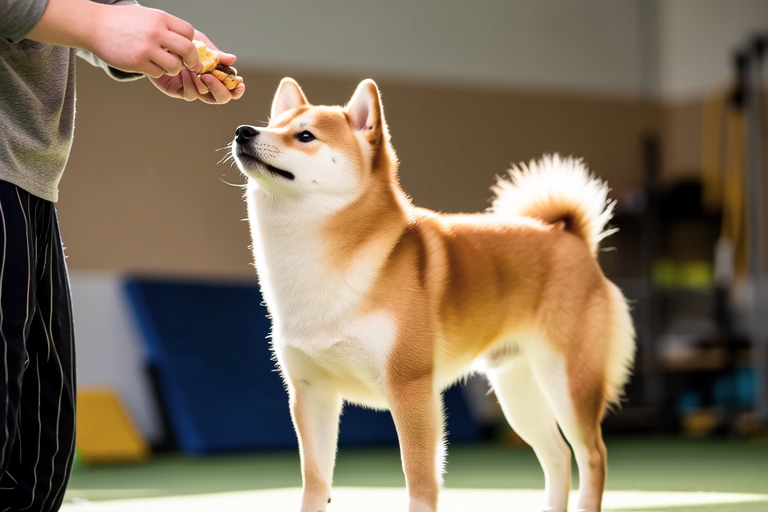
Shiba Inu Training Hacks: From Puppies to Pranksters
The Shiba Inu is a breed known for its independent spirit and fox-like appearance, making it a beloved choice for many dog enthusiasts. However, this unique charm comes with a set of distinct traits that can challenge even the most experienced dog owners. Known for their stubbornness, Shiba Inus require patient and consistent training methods. This article will guide you through the process of training your Shiba Inu, from their early puppy days to their more mischievous adult stage.
Understanding the Shiba Inu’s Unique Traits
Shiba Inus are descendants of ancient Japanese dogs, and their history as hunting companions has shaped their independent and sometimes aloof nature. These dogs are highly intelligent but can be quite selective about who they listen to. Their intelligence can work both ways; while they can learn quickly, they may also become bored easily if training sessions are too repetitive. Understanding these traits is crucial for successful training.
Basic Puppy Training Techniques
Starting with basic commands like ‘sit,’ ‘stay,’ and ‘come’ is essential for any dog, and Shibas are no exception. Positive reinforcement is key when training a Shiba Inu puppy. Rewarding good behavior with treats, praise, or playtime encourages them to repeat those behaviors. Consistency is vital; all family members should use the same commands and rewards to avoid confusing the puppy.
House training is another important aspect of raising a Shiba Inu. Establishing a routine for feeding and bathroom breaks helps puppies understand what is expected of them. Using a crate can also aid in house training by providing a safe space where accidents are less likely to occur. Always reward the puppy for going potty outside to reinforce the correct behavior.
Common Behavioral Issues and Creative Solutions
Shibas are prone to certain behavioral issues due to their independent nature. One common issue is excessive barking, which can be frustrating for owners. To address this, redirect their attention with toys or commands like ‘quiet.’ Teaching them an alternative behavior to bark can help manage this issue effectively.
Another frequent problem is resource guarding, where the Shiba Inu becomes possessive over food, toys, or even their owner. Early socialization and teaching the ‘leave it’ command can prevent this behavior from escalating. It’s important to teach the dog that sharing is okay and that relinquishing possession doesn’t result in losing out.
Socializing Young Shibas
Socializing a Shiba Inu puppy is crucial for their development into well-adjusted adults. Expose them to various environments, people, and other animals from a young age. Puppy classes are an excellent way to introduce them to different stimuli while learning basic obedience commands. Always ensure that these interactions are positive and supervised to avoid overwhelming the puppy.
Positive experiences during socialization can help prevent fearfulness and aggression later in life. Shibas are naturally wary of strangers, so gradual exposure to new situations in a controlled environment can help them become more comfortable with the world around them.
Maintaining Good Behavior as They Mature
As Shibas grow older, they often develop a playful yet mischievous side. Keeping their minds and bodies active is essential for maintaining good behavior. Engage them in interactive games that stimulate their intellect, such as puzzle toys or hide-and-seek with treats. Regular exercise, including walks and play sessions, helps burn off excess energy and prevents destructive behaviors.
Consistent training remains crucial even as Shibas mature. Reinforce commands regularly and continue using positive reinforcement to encourage desired behaviors. Address any behavioral issues promptly to prevent them from becoming ingrained habits.
Keeping Training Sessions Fun and Effective
To keep training sessions enjoyable and productive, vary the activities and locations. Training in different environments can help the Shiba Inu generalize learned behaviors. Incorporate games and challenges that make learning exciting, such as agility courses or scent games. Using high-value treats that the Shiba Inu particularly enjoys can also increase their motivation to participate.
It’s important to keep training sessions short and frequent rather than long and infrequent. Short sessions allow for better focus and prevent boredom. End each session on a positive note, reinforcing the last few commands successfully executed. This approach ensures that the Shiba Inu looks forward to the next training session.
Lastly, always celebrate successes, no matter how small. Praising your Shiba Inu for good behavior reinforces positive actions and strengthens your bond. By approaching training with patience, creativity, and enthusiasm, you’ll foster a well-behaved and happy companion.
In conclusion, training a Shiba Inu requires understanding their unique characteristics and employing consistent, positive methods. From basic puppy training to addressing behavioral challenges and maintaining good behavior as they mature, each stage presents opportunities for growth and bonding. By keeping training sessions fun and effective, you’ll ensure your Shiba Inu grows into a well-adjusted and loving member of your family.
