Unleashing the Mystery: Fascinating Facts About Leopard Geckos You Need to Know
Welcome to the world of one of the most beloved reptiles, the leopard gecko. Known for their distinctive spots, gentle nature, and ease of care, these small lizards have become a popular choice among reptile enthusiasts. In this article, we will explore the fascinating world of leopard geckos, uncovering their origins, unique characteristics, and providing essential information for those considering keeping one as a pet.
Introduction to Leopard Geckos
The leopard gecko (Eublepharis macularius) hails from the arid regions of Pakistan, India, and Afghanistan. They have adapted to live in desert environments, where they thrive in rocky outcrops and burrows. These nocturnal creatures are known for their docile temperament, making them ideal pets for beginners and experts alike. Unlike many other gecko species, leopard geckos possess moveable eyelids, which set them apart and add to their charm.
Physical Attributes
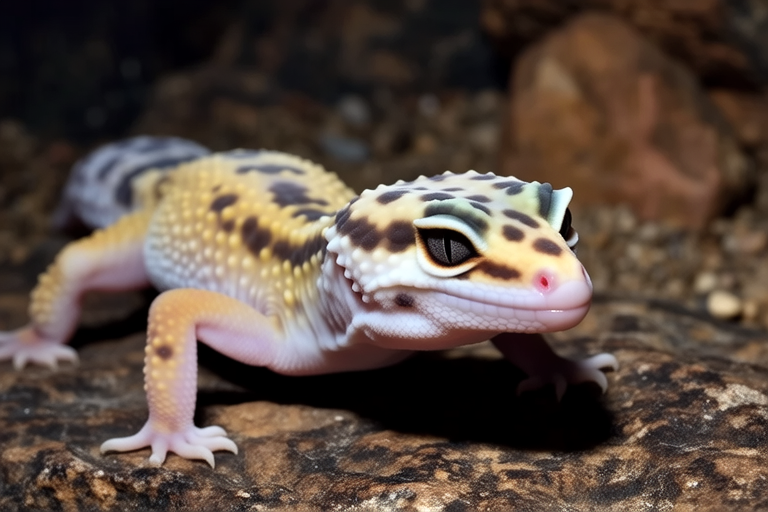
Leopard geckos exhibit a wide range of colors and patterns, from the classic yellow with black spots to more exotic morphs like albinos and high contrast patterns. On average, adult leopard geckos measure between 8 to 11 inches in length, with males being slightly larger than females. Their robust bodies are covered in tiny bumps, giving them a unique texture that feels almost velvety to the touch. One of their most remarkable features is their ability to detach their tails when threatened, a process known as autotomy. While the tail eventually regrows, it often does not match the original in appearance or length.
Behavior
Leopard geckos are solitary animals that prefer to be alone, especially during adulthood. They are primarily active at night, emerging from their hiding spots to hunt insects. During the day, they remain hidden in cool, dark places to conserve energy. Despite their solitary nature, leopard geckos can coexist peacefully in pairs or small groups if provided with ample space and resources. However, it is crucial to introduce them carefully and monitor their interactions to prevent stress or aggression.
Dietary Habits
Leopard geckos are insectivores, meaning their diet consists mainly of insects. In captivity, they thrive on a varied diet of crickets, mealworms, and dubia roaches. It’s important to gut-load feeder insects with nutritious food before offering them to your gecko to ensure optimal nutrition. Additionally, dusting the insects with calcium and vitamin D3 supplements helps prevent deficiencies. Leopard geckos have a voracious appetite and should be fed every two to three days, depending on their age and size.
Common Health Issues
Like any pet, leopard geckos can face various health challenges. Some of the most common issues include metabolic bone disease (MBD), caused by calcium and vitamin D3 deficiency, and impaction, which occurs when indigestible materials, such as substrate, block the digestive tract. Regular vet check-ups and proper husbandry practices, including maintaining appropriate temperatures and humidity levels, can help prevent these problems. Signs of illness may include lethargy, loss of appetite, and abnormal feces.
Care Requirements for Potential Owners
Setting up the right environment is crucial for the well-being of your leopard gecko. A spacious terrarium with dimensions of at least 20 gallons is recommended for a single adult gecko. The enclosure should include hiding spots, such as caves or cork bark, to provide security. Substrate options vary, but many owners prefer paper towels or reptile carpet for easy cleaning and to avoid ingestion risks associated with sand or gravel. Temperature regulation is vital; leopard geckos require a warm basking area of around 90°F and a cooler side of approximately 75°F. A heat lamp or under-tank heater can achieve these conditions. Humidity levels should be kept low, between 30% and 40%, to prevent respiratory issues.
Habitat Setup
The habitat should mimic the gecko’s natural environment as closely as possible. This includes providing a mix of smooth rocks, branches, and plants to create climbing opportunities and hiding spots. A shallow water dish should be available for drinking and soaking. Regular cleaning of the enclosure and its contents is necessary to maintain hygiene and prevent the spread of diseases.
Temperature Regulation
Proper temperature control is essential for digestion and overall health. A thermal gradient within the enclosure allows the gecko to regulate its body temperature. The basking area should be heated using a heat lamp or ceramic heater, while the cooler side can be maintained using ambient room temperature. A digital thermometer with probe sensors placed in both areas ensures accurate monitoring. Nighttime temperatures can drop slightly, but never below 65°F.
Feeding Schedules
A consistent feeding schedule is key to keeping your leopard gecko healthy. Juvenile geckos should be fed daily, while adults can be fed every other day. Feeder insects should be appropriately sized, no wider than the width of the gecko’s head. Gut-loading and supplementing the insects with calcium and vitamin D3 is critical for preventing nutritional deficiencies. Avoid overfeeding, as obesity can lead to health complications.
Interesting Trivia and Myths
Leopard geckos are surrounded by intriguing facts and misconceptions. One common myth is that they require UVB lighting. Unlike many other reptiles, leopard geckos do not need UVB light for vitamin D synthesis, as they can produce it through their skin when exposed to regular household lighting. Another misconception is that they must eat live prey exclusively. While live prey can be beneficial for exercise and hunting practice, frozen-thawed alternatives are safer and more convenient.
Did you know that leopard geckos can voluntarily shed their tails? This behavior, known as caudal autotomy, serves as a defense mechanism against predators. Once detached, the tail continues to wiggle, distracting the predator and allowing the gecko to escape. Another fascinating fact is that female leopard geckos can store sperm for several months, enabling them to lay fertile eggs even without recent mating.
In conclusion, leopard geckos are captivating creatures with unique adaptations and behaviors. Whether you’re a first-time reptile owner or an experienced enthusiast, understanding their needs and providing proper care will ensure a rewarding and long-lasting relationship with these delightful pets. By delving into the mysteries of leopard geckos, we gain a deeper appreciation for their beauty and complexity, making them a truly special addition to any home.
