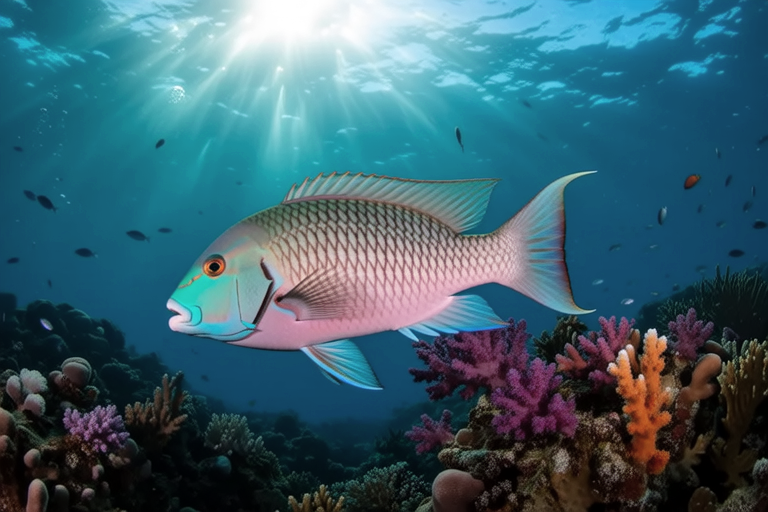
Parrot Fish: A Rainbow of Colors Underwater
The ocean is a vast and mysterious world, teeming with life that often seems alien to us on land. Among the many fascinating creatures that call the seas home, none are more visually striking than the parrot fish. Known for their vibrant colors and unique appearance, parrot fish are a true spectacle beneath the waves. This article will explore the captivating world of parrot fish, delving into their habitat, ecological roles, behaviors, and the challenges they face in their underwater realm.
Introduction to Parrot Fish
Parrot fish, belonging to the family Scaridae, are among the most colorful inhabitants of the ocean. Their name is derived from their beak-like mouths, which resemble those of parrots. These fish come in a wide array of colors, ranging from bright blues and greens to vivid oranges and pinks. Some species even sport stripes or spots, adding to their already dazzling appearance. The diversity in coloration is not just for show; it plays a crucial role in communication and camouflage within their complex underwater environment.
Their unique appearance extends beyond just their colors. Parrot fish possess strong teeth that are fused together, forming a beak-like structure. This adaptation allows them to scrape algae and small organisms off coral reefs, which is essential for their survival and the health of the reef ecosystem. Additionally, parrot fish have a specialized set of pharyngeal teeth located in their throats, used for grinding up the coral and other materials they consume.
Habitat and Distribution
Parrot fish are found in tropical and subtropical waters around the globe, thriving in various marine environments. They prefer coral reefs, lagoons, and rocky shores where there is an abundance of algae and coral. Coral reefs provide the ideal habitat for parrot fish due to the rich food supply and protection from predators. These ecosystems are not only beautiful but also incredibly diverse, supporting thousands of species of fish, crustaceans, and other marine life.
While some species of parrot fish are restricted to specific regions, others can be found across vast areas of the ocean. For instance, the queen parrot fish (Scarus vetula) is widespread throughout the Caribbean Sea and the Gulf of Mexico, while the bumphead parrot fish (Bolbometopon muricatum) inhabits the Indo-Pacific region. Each species has adapted to its particular environment, showcasing the incredible biodiversity of marine ecosystems.
Role in Coral Reef Ecosystems
Parrot fish play a crucial role in maintaining the health of coral reefs, which are vital for the survival of countless marine species. By grazing on algae, parrot fish help prevent overgrowth, which could otherwise smother and kill the coral polyps. Their feeding habits involve scraping the surface of corals and rocks with their beaks, removing algae and other organic matter. After ingestion, the indigestible parts of the coral are expelled as sand, contributing significantly to the formation of beaches and islands.
One of the most remarkable aspects of parrot fish is their ability to recycle nutrients within the reef ecosystem. As they digest the coral and algae, they produce nutrient-rich waste that supports the growth of new coral and other reef-dwelling organisms. This recycling process is essential for the overall health and resilience of coral reefs, making parrot fish indispensable to these delicate ecosystems.
Interesting Behaviors
Parrot fish exhibit several fascinating behaviors that make them truly unique. One of the most intriguing is their nightly habit of secreting a mucous cocoon. This protective layer is believed to serve multiple purposes, including masking their scent from predators and possibly providing camouflage. The cocoon is produced by glands near the gills and anus, and it takes about 45 minutes for a parrot fish to fully encase itself. Once complete, the fish curls up inside the cocoon and rests until morning, when it dissolves and is consumed along with the first meal of the day.
Another interesting behavior is their ability to change sex. Many species of parrot fish are protogynous hermaphrodites, meaning they start their lives as females and later transform into males. This transformation is triggered by environmental factors and social cues within the group, ensuring genetic diversity and reproductive success. The ability to change sex is a remarkable adaptation that helps maintain stable populations in dynamic marine environments.
Conservation Efforts and Challenges
Despite their importance to marine ecosystems, parrot fish face numerous threats that challenge their survival. Overfishing, habitat destruction, and climate change are among the most pressing issues affecting these colorful creatures. In many parts of the world, parrot fish are highly valued as food, leading to unsustainable fishing practices that deplete populations. Additionally, the destruction of coral reefs through pollution, coastal development, and climate change further reduces the available habitat for parrot fish.
To address these challenges, various conservation efforts are underway. Marine protected areas (MPAs) are established to safeguard critical habitats and allow populations to recover. These protected zones restrict fishing activities and promote sustainable practices that benefit both the environment and local communities. Education and awareness campaigns are also crucial in fostering a deeper understanding of the importance of parrot fish and their role in marine ecosystems.
Moreover, international cooperation is vital for addressing the global nature of these challenges. Organizations like the International Union for Conservation of Nature (IUCN) work to assess the conservation status of species and develop strategies for their protection. By combining scientific research, community involvement, and policy changes, we can hope to preserve the vibrant and essential world of parrot fish for future generations.
Conclusion
Parrot fish are more than just a rainbow of colors under the water; they are vital components of marine ecosystems that play a crucial role in maintaining the health of coral reefs. From their unique appearance and feeding habits to their fascinating behaviors and ecological contributions, parrot fish captivate and inspire admiration. However, the challenges they face highlight the need for concerted conservation efforts to ensure their continued presence in our oceans. By protecting these colorful creatures, we not only safeguard their future but also contribute to the well-being of the entire marine environment.
