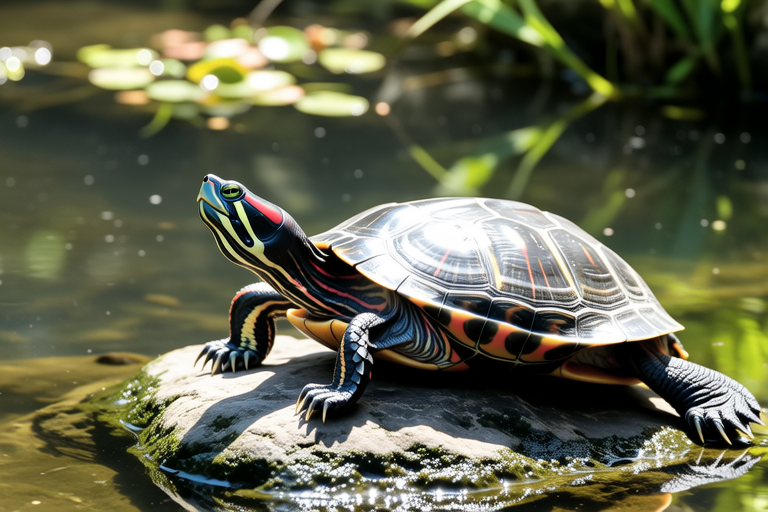
The Surprising Truth About Housing Red-eared Sliders
Red-eared sliders (Trachemys scripta elegans) are one of the most popular pet turtle species worldwide. Their vibrant colors and relatively easy care have made them a favorite among reptile enthusiasts. However, many first-time owners are often surprised by the complexity of their care requirements. This article will delve into the surprising truths about housing red-eared sliders, covering everything from tank size and filtration systems to dietary needs and common mistakes to avoid.
Tank Size Requirements
One of the most surprising aspects of housing red-eared sliders is the amount of space they require. Contrary to popular belief, a 20-gallon tank is far too small for even a juvenile red-eared slider. As they grow, so does their need for space. A general rule of thumb is to provide at least 10 gallons of water per inch of shell length. For example, a fully grown red-eared slider with a 7-inch carapace would need a tank of at least 70 gallons. Larger tanks also provide more swimming room, which is crucial for their physical health and mental stimulation.
Filtration Systems
Choosing the right filtration system is vital for maintaining clean and healthy water. Red-eared sliders are messy creatures, producing waste that can quickly foul the water if not managed properly. High-quality canister filters or large external filters are recommended due to their ability to handle high volumes of water efficiently. Additionally, consider incorporating a biological filter to help break down harmful ammonia and nitrite levels. Regular maintenance of the filter is essential; weekly cleaning helps prevent the buildup of debris and ensures optimal performance.
Heating
Maintaining the correct temperature gradient is crucial for your red-eared slider’s health. These turtles are ectothermic, meaning they rely on external sources to regulate their body temperature. An underwater heater is necessary to keep the water temperature between 75°F and 80°F (24°C to 27°C). The ambient air temperature should be kept around 85°F to 90°F (29°C to 32°C) in the basking area. Heat lamps equipped with UVB bulbs are ideal for providing both warmth and essential UVB radiation, which aids in calcium absorption and overall bone health.
Basking Areas
Red-eared sliders spend a significant portion of their time out of the water, basking to dry off and warm up. Providing a suitable basking area is non-negotiable. This area should be easily accessible from the water and large enough for the turtle to stretch out completely. A flat rock or wood platform works well, but ensure it has a secure grip to prevent accidents. The basking area should be positioned under the heat lamp to create a warm spot that encourages regular basking.
Water Quality Maintenance
Water quality is paramount for the health of your red-eared slider. Regular partial water changes are necessary to remove accumulated waste and maintain a stable pH level. Aim to change approximately 25% of the water weekly. Using a dechlorinator to treat tap water before adding it to the tank is essential, as chlorine and chloramines can be harmful to turtles. Monitoring water parameters such as ammonia, nitrite, and nitrate levels with test kits will help you maintain a healthy aquatic environment.
Dietary Needs
Feeding red-eared sliders a balanced diet is crucial for their growth and longevity. These omnivores require a mix of animal-based and plant-based foods. Juvenile sliders should be fed a diet consisting of 50% commercial turtle pellets, 25% vegetables, and 25% protein sources like earthworms, crickets, or fish. As they mature, their dietary needs shift towards a higher percentage of vegetation. Avoid feeding them iceberg lettuce, as it lacks nutritional value. Calcium supplementation is also important, especially for females during breeding season.
Common Housing Mistakes to Avoid
Several common mistakes can negatively impact the health of your red-eared slider. One frequent error is overcrowding the tank, which leads to poor water quality and increased stress for the turtles. Another mistake is inadequate lighting, leading to metabolic bone disease due to insufficient UVB exposure. Overfeeding is also a prevalent issue, causing obesity and related health problems. Always monitor your turtle’s behavior and appearance for signs of distress or illness.
Surprising Care Facts
Many first-time owners are surprised to learn that red-eared sliders can live up to 40 years with proper care. This long lifespan underscores the importance of setting up a sustainable and healthy living environment from the start. Another surprising fact is the turtles’ ability to hibernate, known as brumation, in colder climates. While this is natural in the wild, it’s generally not recommended for captive turtles, as it can lead to complications. Instead, maintaining consistent temperatures throughout the year is advisable.
Tips for Creating a Healthy Environment
To ensure your red-eared slider thrives, follow these tips:
- Regularly check water parameters and adjust as needed.
- Provide a variety of hiding spots within the tank to reduce stress.
- Offer a diverse diet rich in nutrients.
- Ensure the basking area is always available and inviting.
- Monitor your turtle’s weight and adjust feeding accordingly.
- Keep the tank clean and free from excess waste.
Conclusion
Housing red-eared sliders requires careful consideration and commitment. By understanding their specific needs and avoiding common pitfalls, you can create a thriving habitat for these fascinating creatures. Remember, the investment of time and resources now will pay off in the form of a long, healthy life for your pet turtle. With the right setup and care, red-eared sliders can bring joy and companionship to your home for decades.
