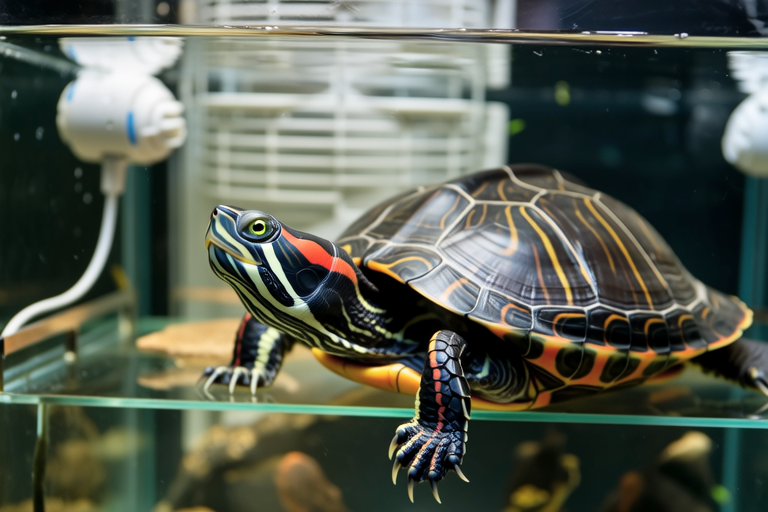
Common Mistakes Pet Owners Make with Their Red-eared Slider Turtles
Introduction
Red-eared slider turtles are popular pets due to their unique appearance and relatively low maintenance requirements. However, many pet owners often make mistakes that can lead to serious health issues for their turtles. This article aims to highlight common mistakes made by pet owners and provide practical advice on how to improve the care of red-eared slider turtles.
Improper Diet
One of the most common mistakes made by pet owners is providing an inappropriate diet for their red-eared slider turtles. Many people assume that feeding them any type of food will suffice, which is far from the truth. A balanced diet is crucial for the overall health of these reptiles.
Red-eared sliders require a varied diet that includes both animal and plant matter. In the wild, they consume a wide range of foods such as insects, small fish, snails, and aquatic plants. As pets, their diet should mimic this diversity. Commercial turtle pellets can be used as a base, but they should not be the sole source of nutrition. Supplementing with fresh vegetables like romaine lettuce, kale, and carrots, along with occasional treats of earthworms or feeder fish, can help ensure a well-rounded diet.
Avoid feeding them bread, crackers, or other human foods, as these can cause digestive problems and obesity. Overfeeding is also a significant issue; turtles should only be fed as much as they can eat in 15 minutes, once or twice a week. Feeding too frequently or in excess can lead to weight gain and liver disease.
Incorrect Habitat Setup
The habitat setup for red-eared slider turtles is critical for their well-being. Many pet owners make the mistake of setting up an enclosure that does not meet the specific needs of these aquatic turtles. An appropriate habitat should have enough space for swimming and basking, as well as clean water.
For adult turtles, the tank should be at least 40 gallons per turtle, with additional space for each additional turtle. The depth of the water should allow the turtle to swim freely without difficulty. A filtration system is essential to maintain water quality, as turtles produce a significant amount of waste. Regular water changes and cleaning of the filter are necessary to prevent bacterial growth and ammonia buildup.
Basking areas are equally important. Turtles need a dry area where they can rest out of the water to regulate their body temperature and dry their shells. The basking area should be heated to around 85-90 degrees Fahrenheit (29-32 Celsius) during the day. UVB lighting is also crucial for calcium absorption and bone health. Ensure that the basking area is easily accessible and secure, so the turtle cannot fall into the water.
Inadequate Space
Another common mistake is providing insufficient space for red-eared slider turtles. These turtles are active swimmers and require ample room to move around comfortably. Lack of adequate space can lead to stress, aggression, and poor health.
As mentioned earlier, the minimum tank size for an adult red-eared slider is 40 gallons. However, larger tanks are preferable, especially if you plan to keep multiple turtles. Each additional turtle requires an extra 10-20 gallons of water. For juvenile turtles, smaller tanks may be acceptable initially, but they should be upgraded as the turtles grow.
It’s important to note that overcrowding can exacerbate competition for resources and increase stress levels among turtles. Providing enough space ensures that each turtle has its own territory and reduces the likelihood of aggressive behavior.
Handling Frequency
Red-eared slider turtles are not social animals and do not enjoy being handled by humans. Over-handling can cause stress and potentially harm the turtle. Many pet owners make the mistake of handling their turtles too frequently or roughly, which can lead to injuries or behavioral changes.
Turtles have sensitive skin and shells, and improper handling can result in cuts, bruises, or shell deformities. It’s best to limit handling to when it’s necessary, such as during health checks or tank cleaning. When handling your turtle, always support its body and avoid lifting it by its limbs or tail. Place the turtle gently back into its tank after handling.
Respect your turtle’s need for privacy and give it time to acclimate to its environment. If you want to interact with your turtle, consider providing enrichment activities such as floating logs or hiding spots within the tank. These items can stimulate natural behaviors and reduce boredom.
Health Neglect
One of the most critical aspects of turtle care is maintaining good health. Many pet owners neglect regular health check-ups and fail to monitor their turtle’s condition closely. Health issues can arise from various factors, including improper diet, unsuitable habitat, and lack of attention.
Signs of illness in red-eared slider turtles include lethargy, loss of appetite, swollen eyes, discharge from the nose or mouth, and soft or deformed shells. If you notice any of these symptoms, it’s essential to consult a veterinarian specializing in reptiles immediately. Early intervention can prevent more severe health complications.
To promote good health, ensure that your turtle’s habitat is clean and well-maintained. Regular water changes, proper filtration, and disinfection of the basking area are vital. Additionally, providing a balanced diet rich in vitamins and minerals can strengthen your turtle’s immune system. Some owners choose to supplement their turtle’s diet with multivitamins specifically formulated for reptiles, but it’s advisable to consult a vet before doing so.
Conclusion
Proper care of red-eared slider turtles involves more than just providing food and water. By avoiding common mistakes such as improper diet, incorrect habitat setup, inadequate space, over-handling, and neglecting health, pet owners can significantly improve the quality of life for their turtles. Understanding the specific needs of these reptiles and committing to regular maintenance and monitoring can lead to long-term health and happiness for both the turtles and their owners.
Remember, responsible pet ownership means being proactive in addressing potential issues and continuously learning about the best practices for caring for your pets. With the right knowledge and commitment, you can ensure that your red-eared slider turtle thrives in its new home.
