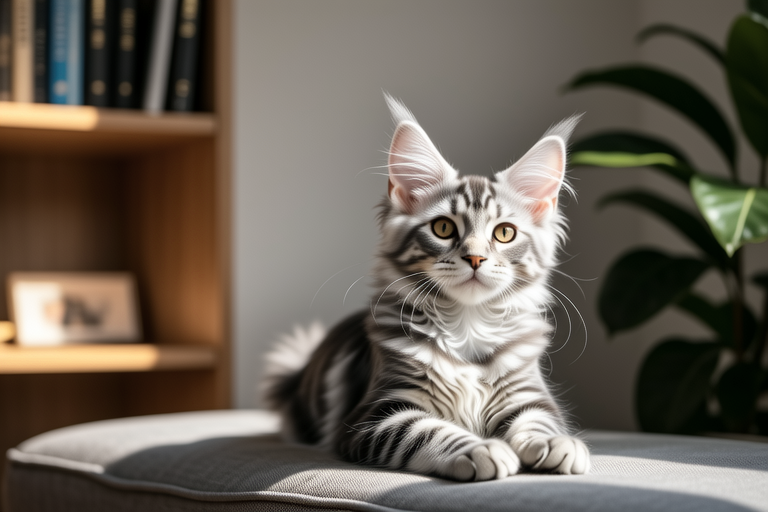
Adorable and Unique: Life with a Devon Rex Cat
Welcome to the enchanting world of Devon Rex cats! These charming felines are known for their distinct appearance, playful demeanor, and affectionate nature. If you’re considering adding a Devon Rex to your family, this article will provide you with all the information you need to understand what makes these cats so special.
The Distinctive Physical Traits of Devon Rex Cats
Devon Rex cats are instantly recognizable due to their unique physical characteristics. They have large, bat-like ears set low on their heads, giving them an almost elfin appearance. Their most notable feature, however, is their short, curly coat. Unlike other breeds, the Devon Rex’s fur is sparse, making them look like they’ve been shaved in patches. This gives them a slightly wrinkled, velvety texture that feels incredibly soft to the touch.
Devon Rexes come in a wide variety of colors and patterns, from solid black to tortoiseshell and calico. Their big, expressive eyes add to their captivating appearance, often appearing to sparkle with curiosity and mischief. Their small size and delicate frame make them seem almost ethereal, but don’t let their dainty looks fool you – these cats are full of energy and life!
A Playful and Affectionate Nature
Devon Rex cats are renowned for their playful and affectionate personalities. They are highly social creatures who thrive on interaction with their human companions. My Devon Rex, named Whiskers, always greets me at the door with a purr and a headbutt when I come home. He loves to follow me around the house, offering his company wherever I go.
One of the most delightful aspects of owning a Devon Rex is their love for play. They are natural acrobats, often leaping onto high shelves and performing impressive flips. Whiskers has a particular fondness for laser pointers and interactive toys, which he chases with great enthusiasm. His playful antics never fail to bring a smile to my face.
Despite their high energy levels, Devon Rexes are also very affectionate. They enjoy being petted and cuddled, often curling up in laps or snuggling under blankets. Their loyalty and devotion make them wonderful companions, and they form strong bonds with their owners.
Grooming Requirements
While Devon Rex cats have a unique coat, their grooming needs are relatively minimal. Their short, curly fur sheds less than that of other breeds, which can be a relief for allergy sufferers. However, regular brushing is still recommended to prevent matting and to keep their skin healthy. I brush Whiskers once a week with a soft-bristled brush, and he enjoys the attention it brings.
Bathing is generally unnecessary unless the cat gets particularly dirty. Devon Rexes are self-groomers, so they spend a lot of time cleaning themselves. Just make sure to provide them with plenty of clean water and a good quality diet to support their grooming habits.
Intelligence and Training Capabilities
Devon Rex cats are among the smartest in the feline world. They are quick learners and can be trained to perform simple tricks, such as fetching toys or ringing a bell. Whiskers learned to fetch his favorite toy within just a few days of practice. His intelligence also manifests in his ability to solve puzzles and open doors, so it’s important to cat-proof your home if you have a Devon Rex.
Training a Devon Rex requires patience and positive reinforcement. Reward them with treats and praise when they perform desired behaviors. Consistency is key, and with time and effort, you’ll find that your Devon Rex can learn a variety of tricks.
Social Behavior and Compatibility
Devon Rex cats are highly social animals and do well in households with children and other pets. They are curious and friendly, often interacting with everyone in the household. Whiskers, for example, gets along wonderfully with my children and even enjoys playing with the family dog. He’s always up for a game of fetch or a gentle nuzzle.
However, it’s important to supervise interactions between young children and any pet to ensure that both remain safe and comfortable. Devon Rexes may not appreciate rough handling, so teaching children to be gentle is crucial. Introducing a Devon Rex to other pets should be done gradually, allowing them to get used to each other’s presence before spending extended periods together.
Common Health Issues
Despite their overall good health, Devon Rex cats are prone to certain genetic conditions. One of the most common issues is patellar luxation, a condition where the kneecap slips out of place. Regular veterinary check-ups can help catch this early and manage it effectively.
Another concern is hypertrophic cardiomyopathy (HCM), a heart disease that affects some Devon Rex cats. Early detection through regular heart screenings can improve management and treatment options. It’s essential to choose a reputable breeder who screens their cats for these conditions and provides health guarantees.
