How to Create the Perfect Habitat for Your Chilean Rose Tarantula at Home
Introduction to Chilean Rose Tarantulas and Their Habitat Needs
The Grammostola rosea, commonly known as the Chilean Rose Tarantula, is one of the most popular pet tarantulas due to its docile nature and manageable care requirements. Native to the deserts and scrublands of Chile, Argentina, and Bolivia, these spiders thrive in arid conditions. To ensure your Chilean Rose Tarantula lives a long and healthy life, it’s crucial to recreate its natural habitat within your home.
Chilean Rose Tarantulas require a dry environment with temperatures ranging between 75°F and 85°F (24°C to 29°C) and humidity levels around 40%. They are primarily terrestrial, spending most of their time on the ground rather than climbing. Providing a suitable habitat involves replicating these environmental conditions.
Essential Enclosure Requirements: Size, Type of Tank, Ventilation, and Lighting
Size and Type of Tank: The enclosure should be spacious enough for the tarantula to move around comfortably. A general rule is to provide at least five times the leg span in length and three times in width. For an adult Chilean Rose Tarantula, a 10-gallon aquarium or equivalent-sized plastic container is appropriate.
Ventilation: Proper ventilation is essential to prevent mold growth and ensure fresh air circulation. Mesh lids or screen tops allow for adequate airflow while preventing escape. Avoid tightly sealed enclosures that can lead to poor air quality.
Lighting: These tarantulas do not require UV lighting since they are nocturnal creatures. However, providing a low-wattage red or blue bulb can help you observe them during feeding times without disturbing their sleep cycle. Ensure the light source does not increase the temperature inside the enclosure beyond the recommended range.
Substrate Options and Proper Layering Techniques
Choosing the right substrate is vital for maintaining the correct humidity levels and providing a comfortable burrowing space. Suitable substrates include coconut fiber, peat moss, vermiculite, and sphagnum moss. A mix of these materials offers better insulation against temperature fluctuations.
To properly layer the substrate, start with a base layer of about two inches of a chosen material. This will act as the primary burrowing area. Add a second layer of similar thickness but composed of a different material to enhance moisture retention. Finally, top off with another inch of substrate to create a smooth surface for walking.
Temperature and Humidity Levels Suitable for Optimal Health
Maintaining consistent temperature and humidity levels is key to keeping your Chilean Rose Tarantula healthy. Use a thermometer and hygrometer to monitor these factors regularly. Aim for daytime temperatures between 75°F and 85°F (24°C to 29°C), dropping slightly at night to 65°F to 75°F (18°C to 24°C). Humidity should hover around 40%, which can be achieved through misting or placing a water dish in the enclosure.
Avoid extreme changes in either parameter, as sudden shifts can cause stress and illness in your pet. Regularly check the equipment used for heating and humidifying to ensure it functions correctly.
Recommendations for Decorations and Hiding Spots to Mimic Natural Environments
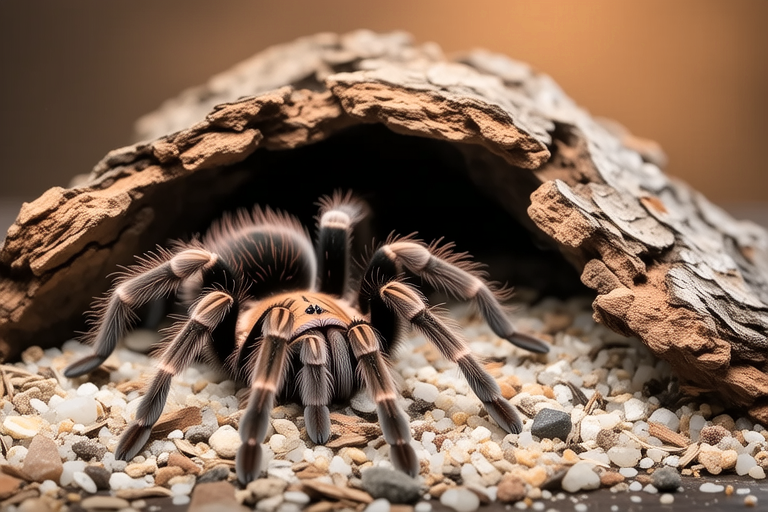
Providing hiding spots and decorations helps reduce stress and encourages natural behaviors. Rocks, cork bark pieces, and half logs make excellent hiding spots. Position these items securely so they don’t pose a risk of falling onto the tarantula.
In addition to hiding spots, consider adding live plants like pothos or spider plants to increase humidity and provide additional cover. These plants also contribute aesthetically, making the enclosure more visually appealing.
Feeding and Handling Tips Considering Their Habitat
Chilean Rose Tarantulas feed on insects such as crickets, mealworms, and dubia roaches. Feed them once every week or two, depending on their size and activity level. Remove any uneaten prey after 24 hours to prevent contamination.
When handling your tarantula, always support its body from underneath instead of grabbing it by the legs. Handle infrequently, as excessive handling can stress the animal. If you must handle, do so gently and avoid sudden movements.
Maintenance Routine for Cleaning and Checking the Tarantula’s Well-being
Regular maintenance includes spot cleaning daily to remove waste and uneaten food. Deep clean the enclosure every month by removing all contents, washing the tank with warm water and mild soap, then thoroughly rinsing and drying before replacing the substrate and decor.
During each cleaning session, inspect your tarantula for signs of injury or illness. Look for any unusual behavior, such as lethargy, loss of appetite, or difficulty moving. Address any issues promptly by consulting a veterinarian specializing in exotic pets.
Safety Precautions for Both the Tarantula and Handler
Handling your tarantula safely requires attention to detail. Always wash your hands before and after handling to prevent transferring harmful bacteria. Keep handling sessions short and avoid rough surfaces that could scratch or injure the spider.
Ensure that the enclosure has secure ventilation to prevent accidental escapes. Place the enclosure away from high traffic areas where it might get knocked over. Additionally, keep children and pets away from the enclosure to prevent accidents.
Conclusion Emphasizing the Importance of Creating a Stress-Free Environment for the Tarantula
Creating a perfect habitat for your Chilean Rose Tarantula is essential for its overall well-being. By carefully selecting the appropriate enclosure, substrate, temperature, humidity, decorations, and following proper feeding and handling practices, you can provide a safe and comfortable living space. Remember, a stress-free environment contributes significantly to the longevity and happiness of your pet. With dedication and care, you can enjoy a rewarding relationship with your Chilean Rose Tarantula.
