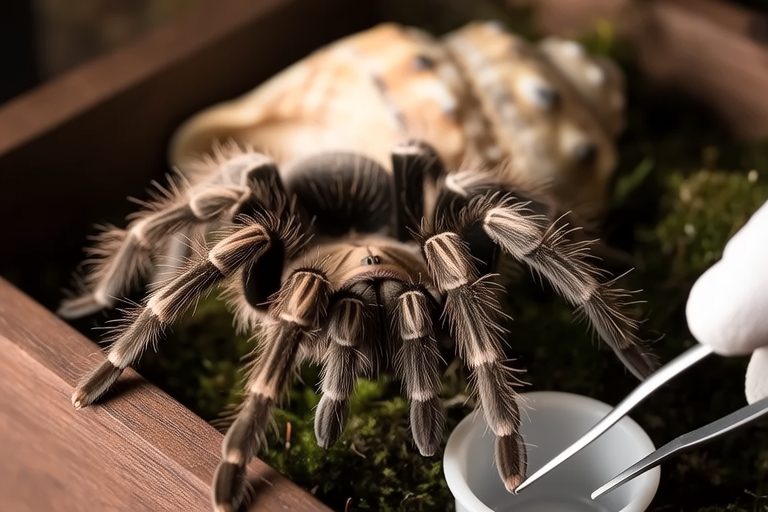
How to Care for a Pet Tarantula Like a Pro
Welcome to the fascinating world of tarantulas! These incredible arachnids make unique and rewarding pets for those willing to learn their needs and care. This guide will walk you through every aspect of tarantula ownership, from choosing the right species to providing optimal care.
Selecting the Right Tarantula Species
The first step in becoming a tarantula owner is choosing the right species. With over 900 species worldwide, there’s a tarantula out there for everyone. Consider factors like temperament, size, and care requirements. Some popular beginner-friendly species include:
- Baby Pink Toe Tarantula (Avicularia avicularia): Known for its docile nature and striking pink toes.
- Chilean Rose Hair Tarantula (Grammostola rosea): A hardy and forgiving species ideal for beginners.
- Curly Hair Tarantula (Brachypelma albopilosum): Another gentle giant that thrives in captivity.
Research thoroughly before purchasing. Understand the species’ natural habitat and behavior to ensure compatibility with your lifestyle.
Setting Up an Appropriate Habitat
A well-designed enclosure is crucial for your tarantula’s health and happiness. Here’s how to set it up:
Housing
Choose a glass or plastic tank with a secure lid. The tank should be at least three times the leg span of your tarantula in length and width, and two-thirds of its height. For example, a medium-sized tarantula might need a 10-gallon tank.
Substrate
Provide a layer of substrate, such as coconut fiber or peat moss, at least three inches deep. This substrate should hold moisture well but allow for burrowing and climbing.
Humidity and Temperature
Most tarantulas thrive in moderate humidity (60-80%) and temperatures (75-85°F). Use a hygrometer and thermometer to monitor these levels. Adjust humidity by misting the substrate or adding a water dish. Maintain temperature with a heat mat or under-tank heater.
Hiding Places and Climbing Structures
Incorporate cork bark, branches, or artificial plants to provide hiding spots and climbing structures. Ensure these items are securely placed to prevent accidents.
Proper Feeding Techniques
Feeding your tarantula correctly ensures its growth and longevity. Offer live insects, such as crickets, dubia roaches, or mealworms. Feed once or twice weekly, depending on your tarantula’s age and size.
Dietary Variety
Introduce variety into your tarantula’s diet to promote overall health. Rotate between different insect species and occasionally offer supplements like calcium powder.
Handling Prey Items
Feed live prey only. Avoid pre-killed or frozen insects, as they can cause digestive issues. Introduce prey items by placing them in the enclosure and allowing your tarantula to catch them naturally.
Handling Tips
While tarantulas are generally docile, improper handling can lead to stress or injury. Follow these guidelines:
Approach Gently
Handle your tarantula sparingly and always with care. Approach slowly and gently, avoiding sudden movements. Place your hand near the front of the enclosure and wait for the tarantula to move towards you.
Use a Tool
Employ a plastic spoon or tongs when handling. This reduces the risk of accidental harm and allows you to control the tarantula’s movement.
Respect Their Space
Understand that tarantulas prefer solitude. Limit handling sessions to short durations and only when necessary.
Health Care Basics
Regular health checks and preventive care are vital for maintaining your tarantula’s well-being.
Monitoring Health
Observe your tarantula daily for signs of illness, such as lethargy, refusal to eat, or unusual behaviors. Contact a veterinarian specializing in exotic animals if you notice any concerning symptoms.
Common Issues
Dehydration and mites are common problems. Keep the enclosure humid and clean regularly to prevent these issues. If your tarantula becomes dehydrated, mist the enclosure more frequently and provide a shallow water dish.
Veterinary Care
Consult a vet experienced with tarantulas for annual check-ups and vaccinations. They can also provide guidance on nutrition and environmental enrichment.
Myths About Tarantulas as Pets
Dispelling misconceptions about tarantulas can help potential owners feel more comfortable.
Myth: All Tarantulas Are Aggressive
Many tarantula species are docile and unlikely to bite unless provoked. Proper handling and care minimize the risk of bites.
Myth: Tarantulas Require Extensive Space
Contrary to popular belief, tarantulas don’t need vast enclosures. As long as the space is appropriately sized and enriched, your tarantula will be content.
Myth: Tarantulas Live Short Lives
With proper care, many tarantulas can live 15-30 years, making them long-term companions.
Responsibilities Involved in Tarantula Ownership
Owning a tarantula comes with significant responsibilities. You must commit to providing:
- Appropriate housing and environment.
- Consistent feeding and hydration.
- Regular health checks and veterinary care.
- A commitment to your tarantula’s well-being over its lifespan.
Tarantulas require patience, dedication, and attention to detail. However, the rewards of sharing your home with one of these fascinating creatures are immeasurable.
Conclusion
Caring for a pet tarantula is a rewarding experience for those who are prepared to meet its unique needs. By selecting the right species, setting up an appropriate habitat, feeding properly, handling with care, and addressing health concerns, you can ensure your tarantula leads a happy and healthy life. Embrace the challenge and enjoy the journey of becoming a pro at tarantula care.
