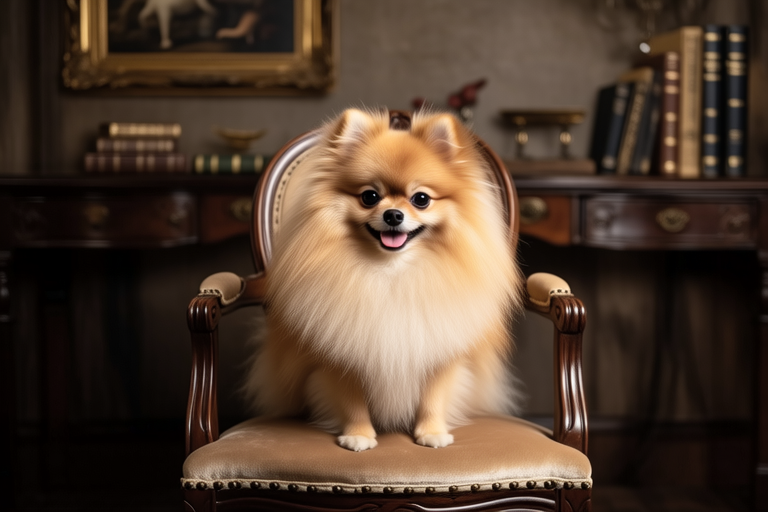
From Royal Companion to Modern Favorite: The Pomeranian’s Journey
The Pomeranian, a breed known for its vibrant coat and spirited demeanor, has a rich history that spans centuries. This diminutive dog, originally bred in the region of Pomerania (now part of Poland and Germany), has evolved from a working dog to a cherished companion. Its journey from the courts of kings and queens to modern-day homes showcases its adaptability and enduring charm.
Origins and Initial Role
The Pomeranian’s roots trace back to the 18th century, when it was primarily used as a herding and guarding dog in the cold regions of Northern Europe. These early Pomeranians were much larger, weighing up to 30 pounds, and were valued for their strength and loyalty. However, it was their companionship and affectionate nature that made them particularly appealing to nobility.
The breed’s association with royalty began in earnest during the reign of King George III of England. His wife, Queen Charlotte, brought several Pomeranians to the court, marking the beginning of the breed’s royal legacy. These dogs were not merely pets but also symbols of prestige and elegance, often accompanying their royal owners to various events and ceremonies.
Historical Figures and Their Impact
One of the most significant figures in elevating the Pomeranian’s status was Queen Victoria. She became enamored with the breed after visiting Italy in 1888, where she encountered a smaller variety of Pomeranians. Upon returning to England, Queen Victoria had several of these dogs imported, leading to a dramatic shift in the breed’s size and appearance. Her influence helped establish the Pomeranian as a fashionable pet among the aristocracy.
Other notable figures who owned Pomeranians include Marie Antoinette, who kept one as a companion during her time at Versailles, and Empress Maria Theresa of Austria, who was also fond of the breed. These associations with high-profile individuals further cemented the Pomeranian’s reputation as a royal favorite.
Evolution Over Centuries
As the breed gained popularity, selective breeding focused on reducing its size while maintaining its intelligence and vivaciousness. By the late 19th century, the Pomeranian had become the toy-sized dog we recognize today, typically weighing between 3 and 7 pounds. This transformation was accompanied by changes in temperament; while still loyal and alert, modern Pomeranians are generally more docile and better suited to urban living.
The American Kennel Club recognized the Pomeranian in 1888, officially establishing its place in the world of purebred dogs. Over the years, breeders have worked diligently to enhance the breed’s physical attributes, resulting in a wide array of colors and coat textures. Today, Pomeranians come in various shades, from cream and orange to black and blue, each contributing to the breed’s unique allure.
Modern-Day Pomeranians
In contemporary society, Pomeranians have transitioned from being exclusive royal companions to beloved family members. Their small size makes them ideal for apartments and busy lifestyles, while their playful and affectionate nature endears them to children and adults alike.
Despite their diminutive stature, Pomeranians are surprisingly resilient and can thrive in various environments. They are highly adaptable, capable of adjusting to new surroundings and routines quickly. This flexibility has contributed significantly to their ongoing popularity.
Health Considerations
While generally healthy, Pomeranians are prone to certain health issues, including dental problems, patellar luxation, and tracheal collapse. Regular veterinary check-ups and proper dental care are essential to maintaining their well-being. Owners should also be mindful of their dietary needs, ensuring they receive balanced nutrition without overfeeding, which can lead to obesity and related health complications.
Tips for Potential Owners
- Exercise: Despite their small size, Pomeranians require regular exercise to stay fit and mentally stimulated. Short walks or indoor play sessions are sufficient.
- Grooming: Their luxurious coats demand regular brushing to prevent matting and tangling. Professional grooming every few months is recommended to keep their fur in top condition.
- Socialization: Early socialization is crucial for developing a well-rounded and confident Pomeranian. Exposing them to various people, animals, and environments helps ensure they grow up to be friendly and approachable.
Enduring Appeal
The enduring appeal of Pomeranians lies in their combination of charm, intelligence, and adaptability. From their origins as robust working dogs to their current status as cherished family pets, Pomeranians have maintained a special place in human hearts. Their transformation from regal companions to beloved family members is a testament to their versatility and the deep bond they form with their owners.
Today, Pomeranians continue to captivate people around the world with their distinctive looks and delightful personalities. Whether serving as a lapdog or a loyal companion, these little dogs bring joy and warmth to countless households. As we look to the future, it’s clear that the Pomeranian’s journey is far from over; their story will undoubtedly continue to unfold, shaped by the love and care of generations to come.
