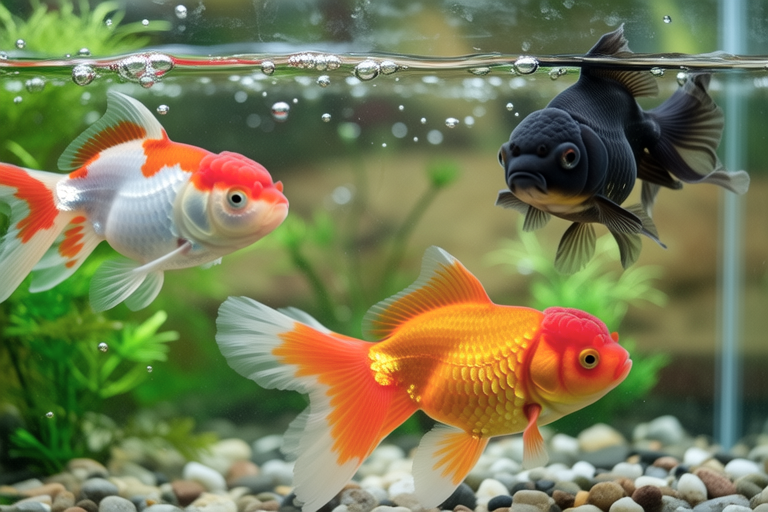
How to Keep Your Goldfish Happy and Healthy: Expert Tips
Welcome to the wonderful world of goldfish keeping! These vibrant, playful creatures can bring joy and tranquility to your home. However, maintaining their happiness and health requires more than just a bowl and some fish food. Let’s dive into expert tips on how to keep your goldfish thriving.
Optimal Tank Setup
Setting up the perfect environment for your goldfish is crucial. Goldfish are active swimmers, so they need plenty of space. A general rule of thumb is one gallon of water per inch of fish. For example, a five-inch goldfish would require at least a 40-gallon tank. Bigger is always better!
Your tank should have a secure lid or cover to prevent escapes and maintain humidity levels. Goldfish are curious and might try to leap out of the tank if given the chance. Additionally, choose a tank with a gentle slope on the bottom, as this aids in waste collection and makes cleaning easier.
Substrate, such as gravel or sand, can be added to the tank. Opt for larger substrate pieces to avoid ingestion by your fish. Plants and decorations add visual appeal and provide hiding spots, which are beneficial for reducing stress. Live plants are ideal but require careful selection to ensure compatibility with your fish.
Finally, don’t forget about lighting. While goldfish do not require special lighting, a day-night cycle helps regulate their biological clock. Aim for 8-12 hours of light each day.
Water Quality Maintenance
Water quality is the most critical factor in keeping your goldfish healthy. Poor water conditions can lead to stress, disease, and even death. Regular water changes and monitoring are essential.
Adequate filtration is vital. It removes debris, breaks down harmful chemicals, and keeps the water oxygenated. Choose a filter that circulates the entire tank volume at least four times per hour. For example, a 20-gallon tank should have a filter capable of processing 80 gallons per hour.
Regular water testing is necessary to monitor pH, ammonia, nitrite, and nitrate levels. Ideal pH ranges from 6.5 to 7.5, while ammonia and nitrite should remain undetectable. Nitrate levels should be kept below 40 ppm. If you notice any abnormalities, address them promptly to avoid stress or illness.
Perform partial water changes weekly, replacing approximately 20% of the tank water. This helps maintain water quality and reduces the frequency of full tank cleanings. Always use dechlorinated water when performing water changes.
Suitable Diet
Feeding your goldfish a balanced diet is key to their well-being. Goldfish are omnivores, meaning they eat both plant-based and animal-based foods. A variety of high-quality flake, pellet, and freeze-dried foods can provide a nutritious meal. Rotate these options to ensure a diverse diet.
Feed your goldfish small amounts two to three times daily. Overfeeding can lead to obesity and poor water quality. Remember, what doesn’t get eaten becomes waste, contributing to higher ammonia and nitrite levels.
In addition to commercial foods, you can offer occasional treats like blanched vegetables (e.g., peas, zucchini), brine shrimp, or bloodworms. These treats should be given sparingly, as they can disrupt the balance of the tank.
Goldfish are cold-water fish and have slower metabolisms compared to tropical species. Therefore, it’s important to feed them appropriately sized food particles that they can easily consume and digest.
Appropriate Tank Mates
Selecting compatible tank mates for your goldfish can enhance their social environment. However, not all fish are suitable companions. Goldfish have specific needs regarding water temperature and quality, which may not align with other species.
Other goldfish make excellent tank mates. They are social creatures that enjoy swimming in groups. If you have room, consider keeping multiple goldfish together. However, ensure the tank size is adequate for the number of fish.
Some community fish, like danios, minnows, or weather loaches, can also coexist with goldfish. These species share similar water requirements and are generally peaceful. Avoid aggressive or fin-nipping fish, as they can harm your goldfish.
Remember, tank mates should not overcrowd the tank. Overcrowding leads to increased waste production, stressing the fish and compromising water quality. Always prioritize the comfort and well-being of your goldfish when choosing tank mates.
Regular Health Checks
Monitoring your goldfish’s health is an ongoing process. Regular checks can help catch potential issues early, ensuring prompt treatment and recovery. Here are some signs to watch for:
- Behavioral Changes: Unusual swimming patterns, loss of appetite, or lethargy can indicate distress.
- Physical Appearance: Look for visible injuries, abnormal growths, or discoloration. Check the gills for any signs of irritation or infection.
- Feces: Normal feces should be firm and white. Loose, stringy, or discolored feces may indicate digestive problems.
- Respiratory Issues: Rapid gill movement or difficulty breathing could signal respiratory distress.
If you notice any concerning symptoms, isolate the affected fish in a quarantine tank. Treat the issue according to the specific problem and consult with a veterinarian specializing in aquatic animals if necessary.
Preventative measures are equally important. Quarantine new fish before introducing them to your main tank to avoid spreading diseases. Regularly clean the tank and perform water changes to maintain a healthy environment.
Common Mistakes to Avoid
Even the most experienced goldfish owners can make mistakes. Here are some common pitfalls to avoid:
- Overcrowding: Too many fish in a small space can lead to stress and disease. Always adhere to the one-inch-per-gallon guideline.
- Improper Feeding: Overfeeding can cause digestive issues and poor water quality. Feed small amounts and observe your fish’s eating habits.
- Ignoring Water Quality: Neglecting regular water changes and monitoring can result in unhealthy water conditions. Test the water regularly and perform partial changes weekly.
- Incorrect Temperature: Goldfish thrive in cooler water temperatures (65-72°F). Avoid exposing them to extreme temperatures or sudden fluctuations.
- Lack of Filtration: Proper filtration is essential for maintaining water quality. Invest in a high-quality filter that meets your tank’s needs.
By being mindful of these common mistakes, you can create a healthier, happier environment for your goldfish.
Keeping goldfish happy and healthy is a rewarding endeavor that requires dedication and attention to detail. By following these expert tips, you’ll ensure your goldfish live long, vibrant lives. Remember, every fish is unique, so take the time to understand their individual needs and preferences. Enjoy the journey of caring for these delightful creatures!
