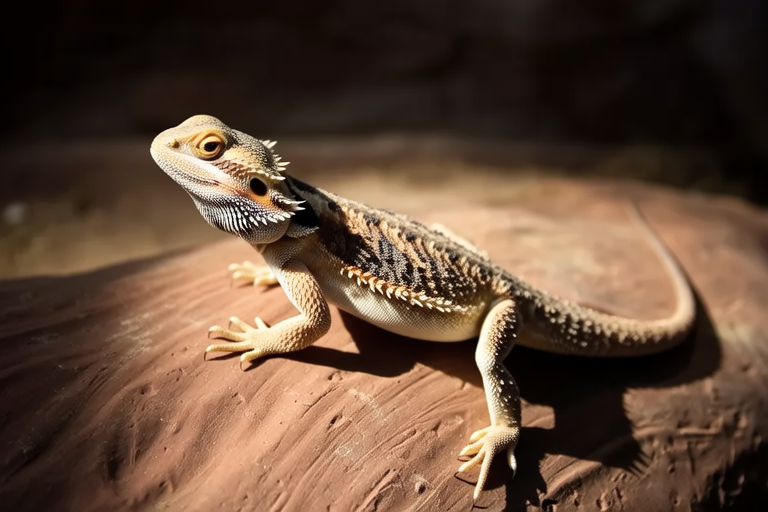
The Top 10 Myths About Bearded Dragons Debunked!
Bearded dragons have become one of the most popular pets worldwide due to their docile nature, vibrant colors, and relatively low maintenance requirements. However, like any pet, there are numerous myths surrounding these fascinating creatures that can lead to misinformation and poor care practices. It’s essential for both new and experienced owners to separate fact from fiction to ensure the well-being of their bearded dragon. In this article, we’ll delve into the top ten myths about bearded dragons and debunk them with scientific evidence and expert advice.
Myth 1: Bearded Dragons Can Live on Just Crickets
Description: One of the most common misconceptions is that bearded dragons can thrive solely on a diet of crickets. While crickets are a significant part of their diet, they require a more varied menu to stay healthy.
Debunked: Bearded dragons need a balanced diet that includes vegetables, fruits, and occasional insects. A diet consisting only of crickets can lead to nutritional deficiencies such as calcium deficiency, which can cause metabolic bone disease. Experts recommend feeding your bearded dragon a mix of leafy greens (like collard greens and mustard greens), carrots, and other vegetables alongside insects. Offering a variety ensures they get all necessary nutrients.
Myth 2: Bearded Dragons Hibernate
Description: Some believe that bearded dragons hibernate during colder months, similar to many mammals.
Debunked: Bearded dragons do not hibernate; instead, they undergo brumation. During brumation, they reduce their activity level but do not completely shut down like hibernating animals. Brumation typically occurs when temperatures drop significantly, but it’s not necessary for the health of your pet. Maintaining consistent warm temperatures in captivity prevents unnecessary stress and keeps your bearded dragon active and healthy year-round.
Myth 3: Bearded Dragons Are Cold-Blooded and Don’t Need Heat
Description: Another widespread belief is that since bearded dragons are cold-blooded, they don’t require external heat sources.
Debunked: Bearded dragons rely on external heat sources to regulate their body temperature. They need specific temperature gradients within their enclosure—warm basking areas and cooler spots—to digest food properly and maintain overall health. Without adequate heating, they risk developing health issues such as respiratory infections and digestive problems. Always provide a reliable heat source, like a ceramic heat emitter or under-tank heater, along with thermometers to monitor temperatures accurately.
Myth 4: Bearded Dragons Can Eat Anything Found in Nature
Description: There’s a misconception that bearded dragons can eat anything they find in nature, including plants and insects.
Debunked: While wild bearded dragons may consume a wide range of foods, captive ones should stick to a controlled diet to avoid harmful substances. Many plants and insects found outside could contain pesticides, parasites, or toxins harmful to your pet. Stick to commercially available food items or thoroughly clean and prepare any home-grown produce before offering it to your bearded dragon. Consult with a veterinarian if you’re unsure about introducing new foods.
Myth 5: Bearded Dragons Can Survive Without UVB Lighting
Description: Some owners think that bearded dragons don’t need UVB lighting because they aren’t exposed to direct sunlight in captivity.
Debunked: UVB light is crucial for bearded dragons as it helps them synthesize vitamin D3, which aids in calcium absorption. Without proper UVB exposure, they risk developing metabolic bone disease. Use a high-quality UVB bulb designed specifically for reptiles, and replace it every six months even if it still appears functional. Position the light so that it provides sufficient coverage over the basking area, and ensure your dragon spends time basking under it daily.
Myth 6: Bearded Dragons Should Be Fed Only Once Daily
Description: Many believe that feeding their bearded dragon once a day is sufficient.
Debunked: The frequency of feeding depends on the age and size of your bearded dragon. Juveniles need more frequent feedings (often twice daily) compared to adults who might eat less often. Monitoring your pet’s weight and activity levels will help determine whether its current feeding schedule is appropriate. Always consult with a vet if you notice changes in appetite or behavior.
Myth 7: Bearded Dragons Prefer Dry Environments
Description: Some people assume that bearded dragons prefer very dry environments, so they avoid adding water features or misting.
Debunked: While bearded dragons come from arid regions, they still need access to fresh water and humidity. Providing a shallow dish of clean water encourages drinking, while occasional misting mimics natural rainfall. Ensure the enclosure has good ventilation to prevent excess moisture buildup, which can lead to respiratory issues. Balancing humidity between too dry and overly moist is key to maintaining your bearded dragon’s health.
Myth 8: Bearded Dragons Will Grow to Fit Their Enclosure
Description: This myth suggests that bearded dragons adjust their growth based on the size of their living space.
Debunked: Bearded dragons do not grow to fit their enclosures; instead, they need ample space to move around and exercise. An inadequate enclosure can stunt growth and cause physical and mental stress. Adult bearded dragons require at least a 40-gallon tank with plenty of climbing opportunities and hiding spots. Providing enough room allows them to engage in natural behaviors, promoting better overall health.
Myth 9: Bearded Dragons Can Communicate Through Their Beard
Description: Some believe that the beard of a bearded dragon serves primarily as a communication tool.
Debunked: While the beard plays a role in communication, especially when the dragon feels threatened or excited, it’s just one aspect of their behavior. Puffing out the beard, changing color, and bobbing their head are all forms of non-verbal communication used by bearded dragons. Understanding these cues helps you interpret your pet’s mood and needs better. Observing these behaviors can also indicate potential health concerns, prompting timely intervention.
Myth 10: Bearded Dragons Are Easy to Care For
Description: Many consider bearded dragons low-maintenance pets, requiring minimal attention.
Debunked: While bearded dragons are generally easy-going, they still require proper care and attention. Regular cleaning of the enclosure, monitoring of temperature and humidity levels, and providing a balanced diet are all essential tasks. Neglecting these responsibilities can lead to serious health issues. Additionally, spending quality time handling your bearded dragon helps build trust and strengthens your bond. Taking care of a bearded dragon responsibly involves commitment and education.
Tips for New Owners
Caring for a bearded dragon properly starts with understanding their unique needs. Here are some tips for new owners:
- Proper Housing: Provide a spacious, well-ventilated enclosure with appropriate substrates and decorations.
- Dietary Needs: Offer a varied diet rich in vegetables, fruits, and protein sources.
- Temperature Regulation: Maintain optimal temperature gradients within the enclosure using proper heating equipment.
- UVB Lighting: Install high-quality UVB bulbs and replace them regularly to support calcium absorption.
- Hydration: Supply fresh water daily and consider misting to maintain adequate humidity.
- Handling: Handle your bearded dragon gently and frequently to build trust and confidence.
- Veterinary Care: Schedule regular check-ups with a reptile-savvy veterinarian to ensure your pet remains healthy.
By dispelling these myths and following expert advice, you can provide your bearded dragon with the best possible care. Remember, responsible ownership involves ongoing learning and adaptation to meet your pet’s evolving needs.
