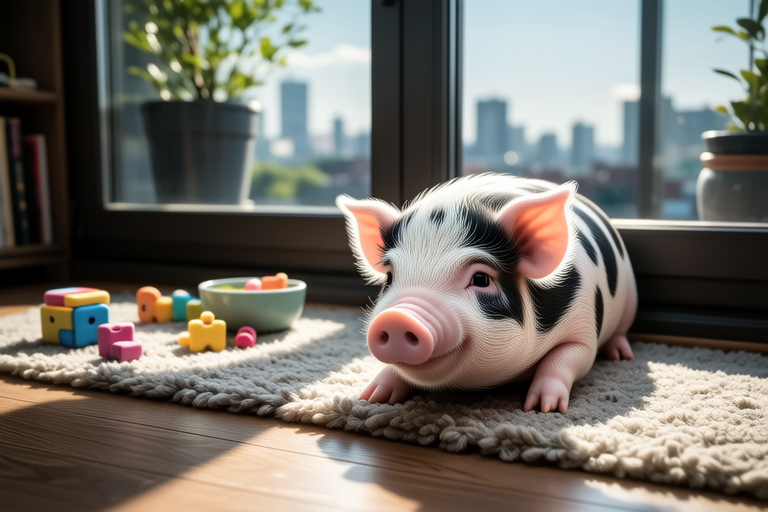
From Farm to Fad: How Mini Pigs Conquered Urban Homes
The rise of mini pigs as household pets has been nothing short of remarkable. What began as a niche breed on farms has evolved into a significant trend in urban households. This article explores the journey of mini pigs from their origins on farms to their current status as popular pets. We’ll delve into their initial roles, the shift in public perception, the challenges they face in urban settings, common misconceptions about their care, and what the future might hold for them in city life.
The History and Origin of Mini Pigs
Mini pigs, also known as teacup pigs or micro pigs, originated from various breeds of pot-bellied pigs that were selectively bred to be smaller. These pigs were initially used on farms for their ability to root and till soil, making them excellent farmhands. Their small size made them ideal for smaller plots of land where larger livestock would not fit. Over time, farmers noticed that some pigs within these breeds were naturally smaller, leading to selective breeding programs aimed at producing even tinier versions.
The first documented attempts to breed miniature pigs began in the early 20th century, primarily in Europe and Asia. In the United States, mini pigs gained attention in the 1980s when they were introduced to the pet market. Initially, these pigs were marketed as low-maintenance pets that could live comfortably in apartments, a claim that would later prove overly optimistic.
The Shift in Perception Leading to Popularity
The transition from farm animal to household pet was gradual but profound. As more people became aware of the existence of mini pigs, they began to see them as charming companions rather than just farm workers. The internet played a pivotal role in this transformation by showcasing cute videos and images of mini pigs, often depicting them as docile and affectionate creatures.
The appeal of mini pigs lies in their unique blend of intelligence and playfulness. They are highly social animals that thrive on interaction with humans. This social nature, combined with their relatively small size compared to traditional farm pigs, made them attractive candidates for domestication. Additionally, mini pigs are clean animals that do not require baths or grooming, which further contributed to their growing popularity among city dwellers.
Challenges of Urban Living for Mini Pigs
Despite their increasing presence in urban homes, mini pigs face several challenges when living in cities. One major issue is space. Many owners underestimate the amount of space needed for a healthy mini pig. While they may start out small, mini pigs can grow to weigh between 50 to 70 pounds, requiring ample room for exercise and movement. Without sufficient space, pigs can become obese, leading to health issues such as joint problems and heart disease.
Another challenge is access to outdoor areas. Mini pigs need regular exposure to fresh air and sunshine for their physical and mental well-being. Urban environments often lack the green spaces necessary for pigs to engage in natural behaviors like rooting and wallowing. To address this, many owners create indoor play areas equipped with sandboxes or dig pits to simulate outdoor experiences.
Common Misconceptions About Mini Pig Care and Maintenance
One prevalent misconception is that mini pigs remain tiny throughout their lives. This belief stems from misleading marketing practices that promise miniature pigs will stay under 20 pounds. In reality, most mini pigs reach weights between 50 to 70 pounds, which is still significantly smaller than standard farm pigs but far from the advertised size.
Another common myth is that mini pigs are hypoallergenic. While some individuals may find that they have fewer allergic reactions around mini pigs compared to other animals, there is no scientific evidence supporting the claim that mini pigs are completely allergen-free. Regular cleaning and maintaining good hygiene practices can help reduce allergens in the home.
The Future of Mini Pigs in Urban Environments
The future of mini pigs in urban environments looks promising, albeit with some caveats. As awareness grows about the proper care and maintenance required for these animals, more responsible ownership practices are emerging. Breeders are working to improve genetic diversity and health standards within the mini pig population, ensuring healthier and longer-lived pets.
Trends suggest that mini pigs will continue to gain acceptance in urban areas as long as regulations adapt to accommodate them. Some cities have already implemented specific guidelines for keeping pigs as pets, including requirements for adequate housing and exercise facilities. It is likely that we will see more localized legislation addressing the needs of mini pig owners in the coming years.
In conclusion, the journey of mini pigs from farm animals to beloved pets reflects broader shifts in human-animal relationships. While there are challenges associated with keeping mini pigs in urban settings, the love and dedication shown by their owners indicate a bright future for these intelligent and endearing creatures. As we move forward, it is crucial to prioritize the well-being of mini pigs through education, responsible ownership, and supportive policies.
