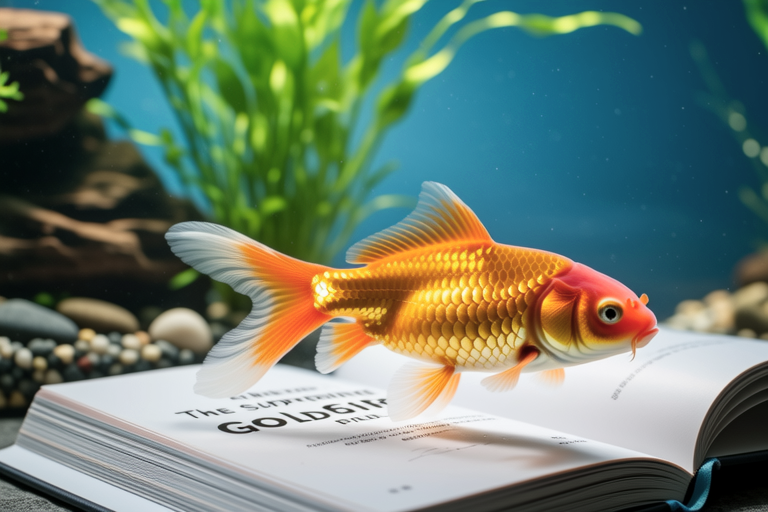
The Surprising Lifespan of Goldfish: Myths vs Reality
Goldfish are among the most popular pets worldwide, often cherished for their vibrant colors and graceful movements. However, there is a pervasive myth that goldfish have incredibly short lifespans, typically only a few years. This misconception has led many to believe that goldfish are disposable pets, suitable only for temporary enjoyment. The truth, however, is quite different. In reality, goldfish can live for decades when provided with proper care. This article aims to debunk the common myths surrounding the lifespan of goldfish, provide scientific facts, and offer practical advice for extending their lives.
Debunking the Myth: Short Lifespans of Goldfish
The myth that goldfish only live for a year or two is widespread and deeply ingrained. This belief stems from the fact that many goldfish sold in pet stores are kept in small, poorly maintained tanks or bowls. These conditions are far from ideal and can significantly shorten a goldfish’s life expectancy. Additionally, some people may release goldfish into ponds or other bodies of water, where they may not survive due to inadequate environmental conditions.
It is important to note that the average lifespan of a goldfish in these suboptimal conditions is indeed short. However, this does not reflect the potential longevity of goldfish when given appropriate care. In controlled environments such as well-maintained aquariums, goldfish can live much longer, sometimes even exceeding 20 years.
Scientific Facts and Real-Life Examples
Goldfish belong to the family Cyprinidae, which includes carp and koi. They are cold-water fish that thrive in temperatures between 68°F and 74°F (20°C and 23°C). Properly cared-for goldfish can live for 10 to 15 years, with some exceptional cases reaching up to 30 years or more. Several real-life examples highlight the potential longevity of goldfish:
- Shimu: A goldfish named Shimu lived for 43 years in Japan. It was a member of the Shubunkin breed, known for its hardiness and ability to adapt to various environments.
- Goldie: Another famous goldfish, Goldie, lived for 41 years in England. Its owner reported that it had a healthy appetite and enjoyed swimming in a large pond.
These examples demonstrate that goldfish are capable of living for several decades. Their longevity depends largely on the quality of care they receive, including diet, habitat, and maintenance.
Tips for Optimal Goldfish Care
To ensure your goldfish enjoys a long and healthy life, it is essential to provide them with optimal living conditions. Here are some tips for maintaining a healthy environment for your goldfish:
Adequate Tank Size
One of the most critical factors in goldfish care is providing an adequate tank size. Goldfish are active swimmers and require ample space to move around freely. As a general rule, each goldfish needs at least 20 gallons of water. For multiple goldfish, add an additional 10 gallons per fish. Larger tanks help maintain water quality and reduce stress on the fish.
Water Quality
Goldfish produce a significant amount of waste, which can quickly degrade water quality if not managed properly. Regular water changes are necessary to remove toxins and maintain a healthy environment. Aim to change 25% of the water weekly. Additionally, invest in a good filtration system to keep the water clean and oxygenated.
Diet and Nutrition
Goldfish are omnivorous and require a balanced diet consisting of pellets, flakes, and occasional treats like vegetables and frozen foods. Feed your goldfish twice daily, but avoid overfeeding, as excess food can pollute the water. It’s also crucial to choose high-quality fish food specifically formulated for goldfish.
Temperature and Lighting
Maintaining the correct temperature range is vital for goldfish health. Avoid extreme fluctuations, as sudden changes can stress the fish. While goldfish don’t require specific lighting schedules, providing a consistent day-night cycle can help regulate their biological rhythms.
Responsibility of Goldfish Ownership
Owning a goldfish is a significant commitment that comes with responsibilities. Providing the right care requires time, effort, and financial investment. It is essential to research and understand the needs of goldfish before bringing one home. Responsible ownership involves setting up a suitable habitat, monitoring water quality, and ensuring the fish receives proper nutrition.
Longevity in pets brings joy and companionship, but it also means a long-term commitment. Owners must be prepared to care for their goldfish throughout its entire lifespan, which could span decades. This commitment fosters a deeper bond between the owner and the pet, enriching both lives.
Conclusion: Reflecting on the Joy of Long-Lived Pets
The myth of goldfish having short lifespans is just that—a myth. With proper care, goldfish can live for many years, bringing joy and companionship to their owners. Understanding the true potential of goldfish longevity encourages responsible pet ownership and highlights the importance of creating a nurturing environment.
As we dispel the misconceptions surrounding goldfish lifespans, we gain a greater appreciation for these resilient creatures. Investing time and effort into their care ensures that goldfish can thrive and live long, fulfilling lives. Ultimately, the joy of owning a long-lived pet lies in the deep connection formed between the owner and the fish, creating memories that last a lifetime.
