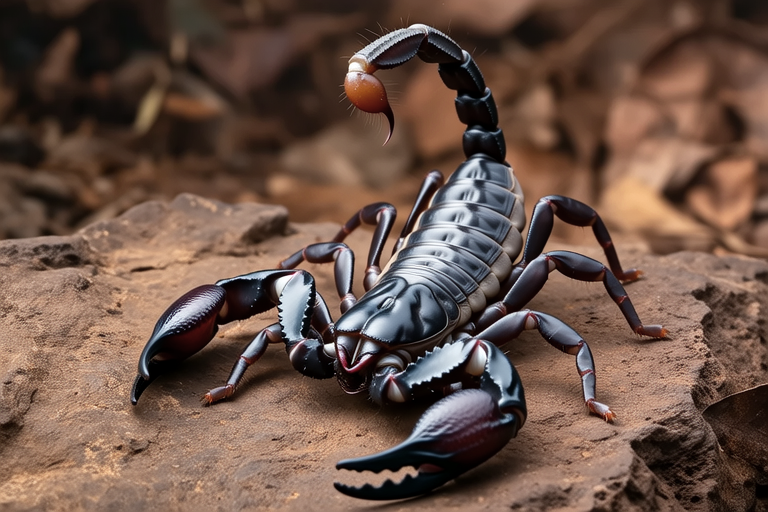
From Fear to Fascination: Discovering the Unique Traits of Heterometrus Spinifer
The world of arachnids is vast and varied, filled with creatures that can inspire both fear and fascination. Among these, the Heterometrus spinifer, commonly known as the Asian forest scorpion, stands out as a remarkable example of adaptation and survival. This article aims to delve into the intriguing life of this species, exploring its physical traits, habitat, behavior, and interactions with its environment. We will also address common misconceptions about scorpions and conclude with insights into conservation efforts and the importance of understanding such species for biodiversity.
Introduction to Heterometrus Spinifer
The Heterometrus spinifer is a medium-sized scorpion, typically ranging between 6 to 9 centimeters in length. Its most striking feature is its long, slender pedipalps (the appendages near its mouth) which end in large claws, used for capturing prey and defense. The body is covered in a tough exoskeleton, segmented into two main parts: the cephalothorax and the abdomen. The abdomen features a distinctive tail-like structure called the metasoma, ending in a venomous stinger. This stinger is used primarily for defense against predators but can also be employed to subdue small prey.
Physical Characteristics
The coloration of the Heterometrus spinifer varies from light brown to dark black, providing excellent camouflage in its natural habitat. The presence of spines along the edges of its pedipalps and legs further aids in defense and prey capture. These spines are particularly useful for gripping onto prey or climbing rough surfaces. Despite their intimidating appearance, these spines are not harmful to humans unless provoked.
Habitat and Natural Environment
Native to Southeast Asia, the Heterometrus spinifer thrives in dense tropical forests and humid environments. It prefers areas with plenty of cover, such as under rocks, logs, and in crevices within tree trunks. The humidity and temperature levels in these regions are crucial for the scorpion’s survival, as they are ectothermic animals, relying on external sources for body heat regulation. Adaptations such as their ability to withstand low oxygen levels and their nocturnal lifestyle help them survive in their densely vegetated habitats.
Behavior and Diet
As nocturnal hunters, Heterometrus spinifer scorpions spend their days hidden away in their burrows or under cover, emerging at night to hunt. Their diet consists mainly of insects, spiders, and other small invertebrates. They use their highly sensitive sensory structures, including pectines (comb-like structures on the underside of the abdomen) and chemoreceptors on their pedipalps, to detect potential prey. Once a target is located, the scorpion uses its powerful pedipalps to grasp and crush its victim, injecting venom through its stinger if necessary.
When it comes to reproduction, male Heterometrus spinifer engage in a complex courtship ritual involving a dance-like series of movements to ensure successful mating. After mating, the female carries her eggs internally until they hatch, after which she cares for the young until they molt for the first time.
Interaction with Other Species
Despite their solitary nature, Heterometrus spinifer scorpions play a vital role in their ecosystem. As predators, they help control insect populations, contributing to the balance of their environment. They are also prey for various animals, including birds, reptiles, and other larger invertebrates. Understanding their role in the food chain highlights the interconnectedness of all species within an ecosystem.
Misconceptions About Scorpions
One of the most common misconceptions about scorpions is that all species are deadly. In reality, only a few species have venom potent enough to cause serious harm to humans. The Heterometrus spinifer, while capable of delivering a painful sting, poses little threat to humans unless directly provoked. Another misconception is that scorpions glow under ultraviolet light because they are toxic. In fact, the fluorescence is due to a natural substance in their exoskeletons and has nothing to do with toxicity.
Conservation Efforts
With increasing urbanization and deforestation, many species, including the Heterometrus spinifer, face threats to their natural habitats. Conservation efforts focus on protecting these areas and educating the public about the importance of preserving biodiversity. By fostering a greater understanding and appreciation for these creatures, we can work towards ensuring their survival for future generations.
Fascination and Importance
The journey from fear to fascination with the Heterometrus spinifer underscores the value of learning about and appreciating the diverse array of life on our planet. Each species, no matter how seemingly insignificant, plays a critical role in maintaining ecological balance. By shifting our perspective from fear to fascination, we open ourselves up to a deeper understanding of the natural world and our place within it. This newfound appreciation can drive us to protect and conserve these species, ensuring the health and vitality of our ecosystems.
