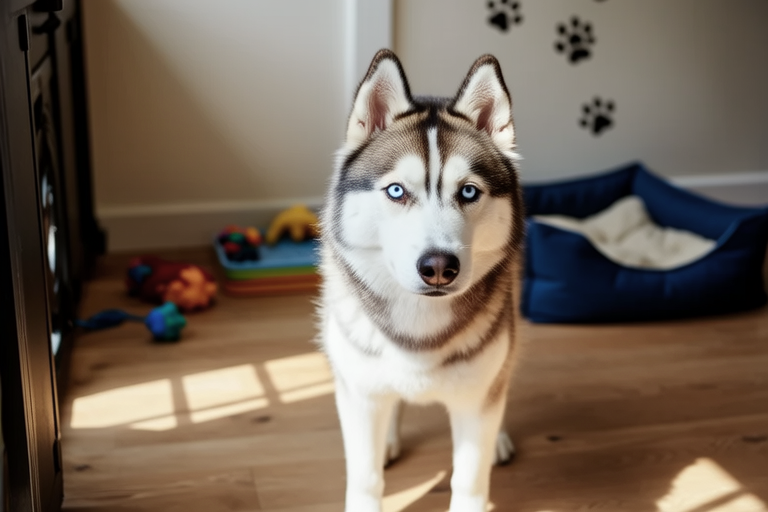
Living with a Siberian Husky: Tips for First-Time Owners
Introduction:
Welcome to the world of Siberian Huskies! Known for their striking blue or multi-colored eyes, thick fur coats, and wolf-like appearance, these dogs are more than just beautiful; they are intelligent, loyal, and full of energy. Siberian Huskies have a rich history, originally bred by the Chukchi people of Siberia as sled dogs. Their endurance, strength, and friendly nature make them popular pets worldwide. However, owning a Siberian Husky requires commitment and understanding of their unique needs. This guide will provide you with essential tips to ensure both you and your new furry companion enjoy a happy and healthy life together.
Exercise Needs
Siberian Huskies are born runners and thrive on physical activity. They require at least one hour of vigorous exercise daily to maintain their physical and mental well-being. This can include long walks, jogging, or playing fetch. Without adequate exercise, Huskies may become restless and destructive. It’s important to start early and establish a routine that keeps your dog engaged and stimulated.
Dietary Requirements
A balanced diet is crucial for the health of your Siberian Husky. High-quality dog food rich in protein and fats is recommended. Look for ingredients like fish oil, flaxseed, and other sources of omega-3 fatty acids to support their coat and skin health. Avoid foods high in fillers and artificial preservatives. Consult with your veterinarian to determine the appropriate amount of food based on your dog’s age, weight, and activity level. Feeding times should be consistent, and fresh water should always be available.
Grooming Practices
Siberian Huskies have a double coat that sheds heavily twice a year. Regular brushing, especially during shedding seasons, is necessary to prevent matting and reduce hair around your home. Use a slicker brush to remove loose hair and prevent tangles. Bathing should be done sparingly, about once every three months, to avoid stripping natural oils from their skin. Pay attention to their nails, which need regular trimming to prevent overgrowth and discomfort. Additionally, check and clean their ears regularly to prevent infections.
Training Methods
Training a Siberian Husky can be challenging due to their independent and sometimes stubborn nature. Consistency and positive reinforcement are key. Start training early and keep sessions short and fun to maintain their interest. Use treats and praise to reward good behavior. Avoid harsh punishment, as it can damage the bond between you and your dog. Teaching basic commands such as sit, stay, come, and heel is essential for their safety and your peace of mind. Socialization is equally important, exposing your Husky to various environments, people, and other animals to build confidence and good manners.
Socialization Techniques
Siberian Huskies are generally friendly and sociable, but they can be aloof with strangers. Early and ongoing socialization helps them become comfortable in different settings and around different people and animals. Introduce your Husky to friends, family, and neighbors in a controlled and positive manner. Consider enrolling them in obedience classes where they can interact with other dogs under professional guidance. This will also help reinforce commands and good behavior in various situations.
Common Health Issues and Addressing Them
Like all breeds, Siberian Huskies are prone to certain health conditions. Hip dysplasia, cataracts, and progressive retinal atrophy are some common issues. Regular veterinary check-ups are vital to catch and manage these conditions early. Genetic testing can also identify potential health risks before breeding. Proper nutrition, regular exercise, and routine care can help prevent many health problems. Keep an eye out for any changes in behavior or physical condition, and consult your vet promptly if you notice anything unusual.
Creating a Stimulating Environment at Home
Providing a stimulating environment is crucial for the happiness and well-being of your Siberian Husky. Create a safe outdoor space where they can run and play. Interactive toys and puzzles can engage their minds and prevent boredom. Consider activities like agility training or hiking to challenge them physically and mentally. Mental stimulation is just as important as physical exercise. Engage them in games that require problem-solving, such as finding hidden treats. A mentally and physically enriched environment will help your Husky thrive and be less likely to develop behavioral issues.
In conclusion, living with a Siberian Husky is a rewarding experience for those who understand and appreciate their unique needs. By providing ample exercise, a nutritious diet, proper grooming, effective training, and a stimulating environment, you can ensure your Siberian Husky leads a happy and healthy life. With patience, love, and dedication, you’ll form a strong bond with your new four-legged friend, creating lasting memories and companionship.
