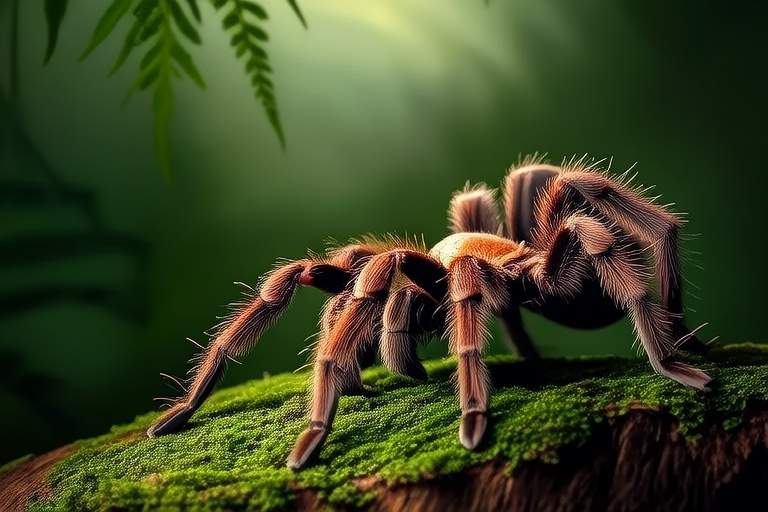
Tarantula Care Guide: Tips for First-Time Owners
Welcome to the world of tarantula ownership! These fascinating creatures can make wonderful pets for those who appreciate their unique beauty and low-maintenance nature. However, like any pet, they require specific care and attention to thrive. This guide will provide you with all the essential information you need to become a successful tarantula owner.
Choosing the Right Species
Selecting the right species is crucial for first-time owners. Some species are more tolerant of varying conditions and are generally easier to handle. Here are a few recommendations:
- Brown Recluse (Hapalopus leucogrammus): Known for its docile temperament, this spider is ideal for beginners. It requires minimal handling and is less likely to bite.
- Red Rump (Grammostola mollicoma): This species is known for its calm demeanor and vibrant red markings on its abdomen. It is relatively easy to care for and does well in various environments.
- Cobalt Blue Tarantula (Hapalopus sp. ‘Cobalt Blue’): While stunning, it requires more experienced handling due to its venomous bite. However, if you’re prepared, it’s a rewarding addition to your collection.
Housing Requirements
Adequate housing is vital for your tarantula’s well-being. The enclosure should be spacious enough to allow movement and climbing, while also providing security and privacy.
Size: The enclosure should be at least three times the leg span of the tarantula in width and height. A general rule is that the enclosure should be as wide as it is tall.
Substrate: Use a substrate that retains moisture and allows burrowing. Popular choices include coconut fiber, peat moss, or a mixture of both. The substrate should be at least two to four inches deep.
Hiding Places: Provide plenty of hiding spots using cork bark, logs, or artificial caves. This helps reduce stress and provides a secure environment for your pet.
Ventilation: Ensure proper ventilation by leaving some space between the lid and the enclosure or using a mesh screen. Avoid overcrowding the enclosure with decorations, which may impede airflow.
Temperature and Humidity Control
Maintaining the correct temperature and humidity levels is crucial for your tarantula’s health. Most species prefer temperatures between 75°F and 85°F (24°C and 29°C) and humidity levels around 60% to 80%.
Heating: Use an under-tank heater or a heat mat placed on one side of the enclosure to create a thermal gradient. This allows your tarantula to regulate its body temperature.
Humidity: Maintain humidity levels by misting the enclosure daily or using a humidifier. Monitor humidity levels using a hygrometer and adjust as necessary.
