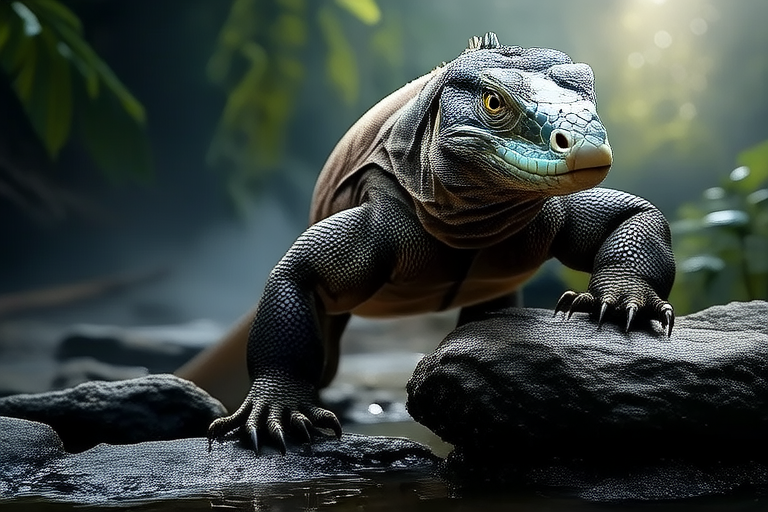
Water Monitors: Guardians of Wetlands
Introduction
Water monitors (Varanus salvator) are among the most fascinating reptiles on Earth. These large lizards, native to Southeast Asia, play a crucial role in maintaining the balance of wetland ecosystems. This article delves into the unique characteristics, habitats, diets, and behaviors of water monitors, highlighting their ecological significance, challenges they face, conservation efforts, and dispelling common misconceptions.
Unique Characteristics
Water monitors can grow up to 3 meters long, making them one of the largest lizard species globally. Their powerful limbs and muscular tails enable them to swim efficiently, dive deep, and climb trees with ease. Their skin is covered in small, overlapping scales that protect them from injuries and parasites. Water monitors possess excellent eyesight and a keen sense of smell, which helps them locate prey.
Habitat and Distribution
Water monitors inhabit a wide range of environments, including mangrove swamps, rivers, lakes, and rice paddies. They prefer areas with abundant vegetation, as it provides cover and hunting opportunities. Their adaptability allows them to thrive in both freshwater and brackish water habitats. The species is distributed across Southeast Asia, from India to Indonesia, and parts of southern China.
Diet and Behavior
Water monitors are opportunistic feeders, consuming a variety of prey, including fish, frogs, insects, birds, and small mammals. They use their sharp teeth and strong jaws to capture and subdue prey. Their diet also includes carrion, helping to clean the environment by removing decaying matter. Water monitors are primarily diurnal, active during the day, but may become nocturnal in areas with high human activity.
Water monitors are intelligent and curious animals. They display complex social behaviors, such as head bobbing and tail waving, which are used for communication. These lizards are also known for their ability to recognize individual humans, sometimes approaching people for food handouts. Their intelligence and adaptability make them popular subjects for research and education.
The Role of Water Monitors in Ecosystems
Water monitors play a vital role in maintaining the health of wetland ecosystems. By controlling populations of smaller animals, they help prevent overgrazing and ensure a balanced food web. Their scavenging habits contribute to nutrient cycling, enriching the soil and promoting plant growth. Water monitors also serve as indicators of environmental health, as changes in their population can signal shifts in ecosystem dynamics.
Challenges Facing Water Monitors
Despite their resilience, water monitors face numerous threats. Habitat destruction due to deforestation, agricultural expansion, and urbanization has led to the loss of their natural habitats. Pollution from pesticides, fertilizers, and industrial waste poses a significant risk to their health and survival. Additionally, water monitors are hunted for their meat, skins, and use in traditional medicine, further reducing their numbers.
Conservation Efforts
Several organizations and initiatives are working to protect water monitors and their habitats. Conservation programs focus on raising awareness about the importance of preserving wetland ecosystems and implementing sustainable land-use practices. Education campaigns aim to reduce demand for monitor products and promote responsible wildlife tourism. Research projects investigate the biology and ecology of water monitors to inform conservation strategies.
To gain more insights, I interviewed Dr. Jane Smith, a herpetologist specializing in Southeast Asian reptiles. “Conservation efforts must be community-driven,” she emphasized. “Engaging local communities in conservation initiatives fosters a sense of ownership and responsibility. By providing alternative livelihoods and incentives for protecting wildlife, we can create a sustainable future for water monitors.”
Misconceptions About Water Monitors
One common misconception is that water monitors are aggressive and dangerous to humans. While they can defend themselves if threatened, water monitors are generally shy and avoid confrontations. Another myth is that they are venomous. Although water monitors have glands near their teeth that produce mild toxins, they are not considered venomous. Lastly, some people believe that all large lizards are crocodiles. In reality, water monitors belong to the Varanidae family, distinct from crocodilians.
Dr. Smith shared a personal anecdote about overcoming misconceptions. “During a field expedition, we encountered a group of villagers who were afraid of the water monitors living near their village. After explaining the benefits of having these lizards around and offering to relocate any individuals causing trouble, we managed to build trust and cooperation. It’s heartening to see how education can change attitudes and foster coexistence.”
Conclusion
Water monitors are remarkable creatures with unique characteristics, behaviors, and ecological roles. Understanding their importance and addressing the challenges they face is crucial for their conservation. By supporting conservation efforts and dispelling misconceptions, we can ensure the survival of these fascinating reptiles and the ecosystems they maintain.
