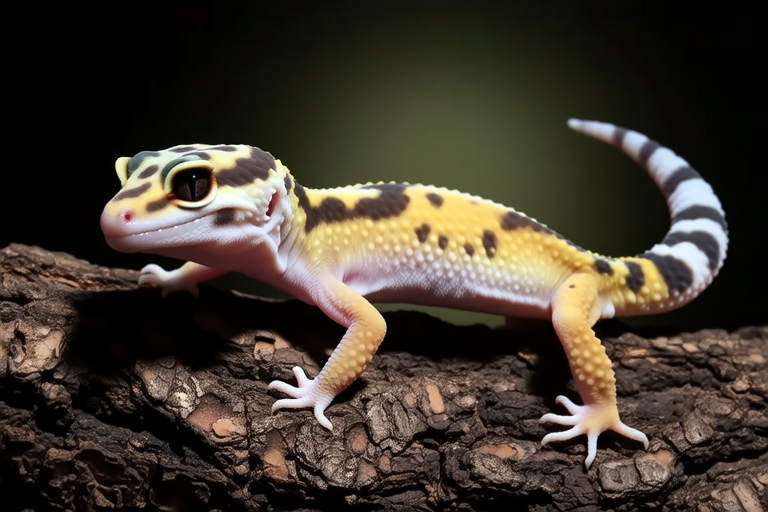
The Enigmatic World of Chameleons
Chameleons, those captivating reptiles known for their remarkable ability to change colors, have long intrigued scientists and nature enthusiasts alike. These unique creatures possess an array of fascinating traits that make them stand out in the animal kingdom. From their specialized habitats to their diverse diets, each aspect of a chameleon’s life is filled with wonders waiting to be discovered. This article delves into the world of chameleons, exploring their habitats, diets, color-changing abilities, social structures, and recent scientific findings.
Habitats and Adaptations
Chameleons inhabit various regions across the globe, from the lush rainforests of Madagascar to the arid landscapes of Africa and parts of southern Europe. Their preferred environments include tropical and subtropical forests, savannas, and rocky areas where they can find ample cover and prey. These adaptable reptiles have evolved specific physical features to thrive in their respective habitats.
One such adaptation is their prehensile tail, which acts like a fifth limb, enabling them to grip branches securely. Additionally, chameleons have highly modified feet designed for gripping surfaces. Each foot has five toes fused together into two groups—two on one side and three on the other—forming a “tripod” structure that provides excellent stability when climbing trees or rocks. Their eyes, which can move independently of each other, offer a panoramic view of their surroundings, allowing them to spot potential threats or prey from great distances.
Some species, such as the Parson’s chameleon (Calumma parsonii), have adapted to live in dense forest canopies, while others, like the veiled chameleon (Chamaeleo calyptratus), prefer open, rocky terrains. The leaf-tailed gecko (Uroplatus spp.), found in Madagascar, exemplifies how closely related species can develop distinct adaptations for survival. This nocturnal lizard mimics leaves and bark through its flattened body and cryptic coloration, making it nearly invisible to predators during nighttime hunts.
Diet and Feeding Habits
Chameleons are primarily insectivores, feeding on a wide variety of insects including crickets, grasshoppers, beetles, and moths. Some larger species may also consume small vertebrates, such as lizards or birds, while others might supplement their diet with plant matter. For example, the Jackson’s chameleon (Trioceros jacksonii) has been observed eating flowers and nectar in addition to insects.
Their tongues play a crucial role in capturing prey. A chameleon’s tongue can extend up to twice the length of its body, reaching speeds of over 26 feet per second. This rapid strike allows them to catch insects mid-air with remarkable precision. Once captured, the chameleon uses its powerful jaws to crush and swallow its meal whole.
In captivity, chameleons require a balanced diet consisting of appropriate-sized insects dusted with calcium powder to prevent metabolic bone disease. Providing a variety of food items ensures optimal nutrition and supports overall health.
Color-Changing Abilities
The most iconic feature of chameleons is undoubtedly their ability to change color. Contrary to popular belief, they don’t merely blend into their surroundings; instead, they use this skill for communication, temperature regulation, and camouflage. The process involves specialized cells called chromatophores located beneath the skin’s surface.
Chromatophores contain pigments responsible for producing different hues depending on neural signals sent by the brain. When excited or stressed, chameleons may display vibrant patterns or solid colors as part of their warning displays. In contrast, calm individuals tend towards duller tones, blending seamlessly into foliage.
Recent studies have revealed that certain species employ additional mechanisms beyond simple pigment shifts. For instance, some chameleons possess microscopic crystals within their skin capable of reflecting light at varying wavelengths, creating iridescent effects similar to those seen in peacock feathers. This phenomenon enhances visual communication among conspecifics without altering underlying pigmentation.
Social Structures and Communication
Despite being solitary animals much of the time, chameleons engage in complex interactions during mating season or territorial disputes. Males compete fiercely for females, often displaying elaborate courtship rituals involving head bobbing, puffing up their bodies, and flashing bright colors. Females, however, remain selective and may reject multiple suitors before choosing a mate.
Communication between individuals extends beyond visual cues alone. Scientists recently uncovered evidence suggesting that chameleons emit ultrasonic sounds imperceptible to human ears but detectable by sensitive equipment. These vocalizations serve multiple purposes, including establishing dominance hierarchies, coordinating group movements, and attracting mates.
Interestingly, certain species exhibit cooperative behaviors rarely observed in other reptiles. For example, pairs of pygmy chameleons (Rhampholeon spp.) have been documented sharing food resources despite limited availability. Such altruistic acts strengthen bonds within communities and promote collective well-being.
Survival Tactics and Recent Discoveries
Chameleons employ several strategies to avoid becoming dinner themselves. Besides relying on cryptic coloration and hiding among vegetation, many species possess spiky scales along their backs and tails that deter predators. Others possess venom glands located near their mouths, though toxicity varies widely between genera.
A groundbreaking discovery made headlines in 2015 when researchers identified cone snail toxins present in some chameleon species. These compounds act similarly to neurotoxins found in snakes, potentially incapacitating prey or deterring attackers. Further investigation revealed that certain Old World chameleons carry more potent venoms than previously thought, challenging conventional wisdom regarding reptilian defense mechanisms.
Another exciting development comes from ongoing research into chameleon cognition. Studies conducted at universities worldwide indicate that these creatures possess advanced problem-solving skills comparable to those demonstrated by primates. Experiments involving puzzle boxes designed to release treats after solving specific tasks showed that chameleons could learn and remember solutions over extended periods.
Species-Specific Adaptations
With approximately 200 recognized species, chameleons showcase incredible diversity in size, shape, and behavior. Among the smallest is the Brookesia micra, measuring less than one inch long fully grown. In contrast, the Parson’s chameleon reaches lengths exceeding two feet, making it one of the largest lizard species globally.
Each species exhibits unique adaptations suited to its particular niche. For instance, the common chameleon (Chamaeleo chamaeleon) possesses a distinctive casque atop its head used for thermoregulation and signaling purposes. Meanwhile, the Indian flap-footed lizard (Chamaeleo zeylanicus) boasts unusually large feet equipped with adhesive pads facilitating movement across smooth surfaces.
Madagascar hosts numerous endemic chameleon species, including the Oustalet’s chameleon (Furcifer oustaleti), famous for its impressive length and striking appearance. This arboreal dweller spends most of its life high above ground level, utilizing its prehensile tail and keen eyesight to navigate complex tree networks.
Captivating Tales of Chameleons
Throughout history, chameleons have inspired countless myths and legends across cultures. Ancient Egyptians believed these creatures symbolized rebirth due to their ability to shed skin periodically. Similarly, Greek mythology portrays chameleons as symbols of transformation and adaptability.
Today, chameleons continue to fascinate people around the world. Zoos and wildlife sanctuaries often feature them as star attractions, offering visitors close-up encounters with these mesmerizing reptiles. Conservation efforts aim to protect endangered populations threatened by habitat loss and illegal trade.
As we deepen our understanding of chameleons, new mysteries arise, fueling curiosity and driving further exploration. Whether marveling at their intricate camouflage or admiring their dynamic displays, there’s no denying that these enigmatic creatures hold a special place in our hearts—and minds.
