Adorable and Hardy: Why Clownfish Are Perfect for Beginner Aquarists
Clownfish, with their vibrant colors and playful demeanor, have captured the hearts of many aquarists worldwide. These fish are not only visually appealing but also possess characteristics that make them ideal for beginners venturing into the fascinating world of marine aquariums. Their popularity soared after the release of the animated film “Finding Nemo,” which showcased the unique relationship between clownfish and sea anemones. This article delves into why clownfish are perfect for novice aquarists, offering insights into their adaptability, dietary needs, and the joy of maintaining a healthy environment for these charming creatures.
The Charm of Clownfish
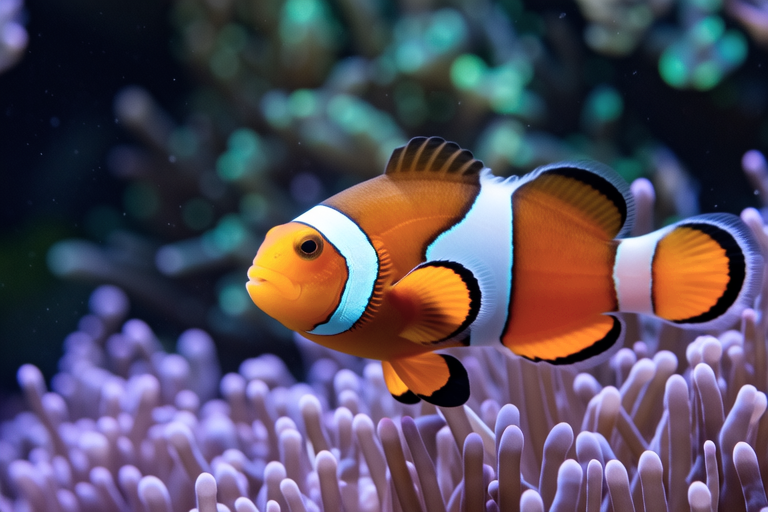
Clownfish, belonging to the genus Amphiprion, are small, brightly colored fish known for their striking patterns. Their natural habitats include coral reefs in the Pacific and Indian Oceans, where they live among the tentacles of sea anemones. The most common species, such as the ocellaris and percula clownfish, are recognized by their distinctive white stripes bordered in orange or yellow. Their vivid hues and active behavior make them a delightful addition to any aquarium.
These fish are social and often found in pairs or groups within the wild, which translates well into community tanks. Their interactive nature and tendency to explore their surroundings can provide hours of entertainment for observers. Additionally, their relatively small size means they require less space compared to larger marine species, making them accessible even for those with limited tank capacity.
Adaptability and Hardiness
One of the reasons why clownfish are so popular among beginner aquarists is their remarkable adaptability. Unlike some more delicate marine species, clownfish can thrive in a variety of water conditions, provided certain basic requirements are met. They are resilient and can tolerate fluctuations in temperature and salinity to a certain extent, which is beneficial for those who may not always maintain perfect water parameters.
Clownfish are also relatively disease-resistant, which reduces the likelihood of common ailments affecting your tank. This resilience combined with their ease of care makes them an excellent choice for first-time saltwater hobbyists. However, it is still crucial to understand the specific needs of your chosen species to ensure their long-term health and happiness.
Setting Up a Suitable Habitat
To create an optimal living environment for your clownfish, it is essential to set up a well-maintained aquarium. A minimum tank size of 20 gallons is recommended to provide ample swimming space and to accommodate any additional inhabitants you might introduce later. Ensure that the tank has a secure lid to prevent the fish from jumping out.
Water quality is paramount for the health of your clownfish. Maintain a stable temperature between 76°F and 82°F (24°C to 28°C) and keep the pH level around 8.1 to 8.4. Regularly test the water for ammonia, nitrite, and nitrate levels, ensuring they remain at safe levels. Use a reliable filtration system capable of handling biological, mechanical, and chemical filtration to keep the water clean and clear.
Lighting plays a significant role in simulating natural conditions. Provide a photoperiod of 10 to 12 hours daily to mimic the day-night cycle. Opt for LED lighting, which not only saves energy but also provides better color rendition, enhancing the appearance of your fish.
Decorating the tank appropriately can offer hiding spots and enrich the environment. Incorporate live rock, which serves multiple purposes by providing shelter, promoting beneficial bacteria growth, and enhancing water quality. Consider adding some macroalgae to absorb excess nutrients and further enhance the aesthetic appeal of your setup.
Dietary Needs
Clownfish are omnivorous and require a balanced diet to stay healthy and vibrant. In the wild, they feed on zooplankton, algae, and small invertebrates. To replicate this diet in captivity, offer a combination of high-quality flake food, pellets, and frozen or live foods such as brine shrimp, mysis shrimp, and bloodworms. It is advisable to rotate different types of food to ensure a varied diet rich in nutrients.
Feed your clownfish two to three times a week, providing only what they can consume within a few minutes. Overfeeding can lead to poor water quality and obesity, both of which can negatively impact their health. Monitor their feeding habits and adjust portions accordingly to maintain a healthy weight.
Common Health Issues
Despite their hardiness, clownfish can still face health challenges if proper care is not taken. One of the most common issues is ich, a parasitic infection characterized by white spots on the fish’s body. Early detection and treatment with appropriate medication are crucial to prevent its spread to other tank inhabitants.
Another potential problem is fin rot, which can be caused by poor water quality or aggressive tankmates. Keep the water clean and avoid overcrowding to minimize the risk of fin rot. If symptoms appear, promptly address the issue with appropriate remedies.
Regular monitoring of water parameters and maintaining good hygiene practices can significantly reduce the occurrence of these problems. Quarantine new additions before introducing them to the main tank to prevent the introduction of diseases.
The Symbiotic Relationship with Sea Anemones
One of the most intriguing aspects of clownfish is their symbiotic relationship with sea anemones. While this relationship is often highlighted in movies and documentaries, it is important to note that not all clownfish species require anemones to survive in captivity. However, understanding this relationship can deepen your appreciation for these fascinating creatures.
In the wild, clownfish and sea anemones form a mutually beneficial partnership. The anemone provides protection from predators by harboring the clownfish within its tentacles, while the clownfish helps attract prey for the anemone through its movements and waste products. Additionally, some evidence suggests that clownfish may help aerate the anemone’s tissues, contributing to its overall health.
If you wish to recreate this symbiosis in your tank, choose compatible species of anemones and clownfish. Popular choices include the bubble tip anemone (Entacmaea quadricolor) and the percula clownfish. Ensure that the anemone is well-established before introducing the clownfish, allowing them time to acclimate to each other.
Choosing the Right Species for Beginners
With over 30 species of clownfish available, selecting the right one for your tank can be an exciting yet daunting task. For beginners, it is wise to start with hardy and adaptable species. The ocellaris clownfish (Amphiprion ocellaris) and the percula clownfish (A. percula) are excellent choices due to their robust nature and compatibility with various tank setups.
Consider the size and temperament of the fish when making your selection. Some species grow larger than others, requiring more space. Also, be mindful of the potential for aggression, especially when housing multiple clownfish together. Pairing compatible species can help maintain harmony within the tank.
Ultimately, the joy of successfully keeping clownfish lies in observing their behavior and witnessing their growth. By providing a nurturing environment and addressing their needs, you can enjoy the rewarding experience of caring for these adorable creatures.
