From Farm to Furry Friend: Discovering the Hotot Rabbit
The world of rabbits is vast and varied, but few breeds can match the charm and uniqueness of the Hotot rabbit. This striking creature, known for its distinctive eye markings, has captured the hearts of many. In this article, we will explore the fascinating history, characteristics, and care tips for the Hotot rabbit, guiding you through its transformation from a farm animal to a beloved pet.
A Unique Appearance
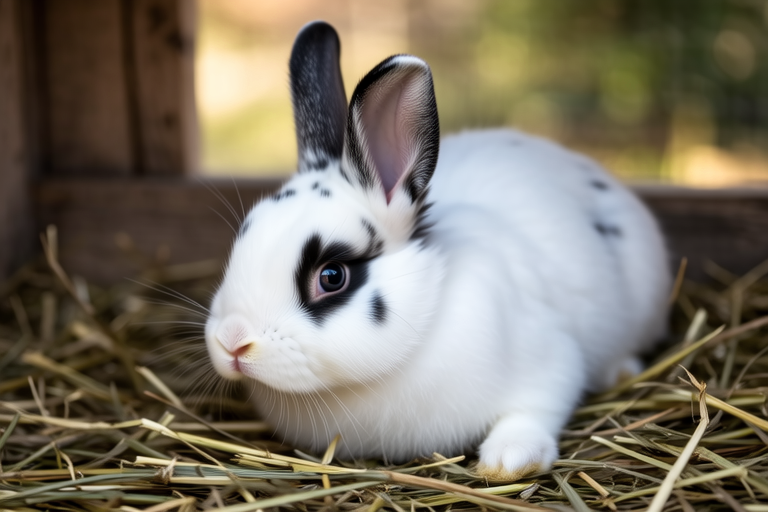
The Hotot rabbit is immediately recognizable by its stunning white coat, which contrasts beautifully with its dark eyes and surrounding eye rings. These eye rings, typically black or blue, give the Hotot its characteristic ‘spectacled’ appearance, earning it the nickname ‘the rabbit with glasses.’ The contrast between the bright eyes and the darker eye rings makes the Hotot a visually captivating animal. Its short, dense fur adds to its appeal, making it not only a pleasure to look at but also to touch.
Origins and Evolution
The Hotot rabbit originated in France in the early 20th century, thanks to the efforts of Eugène Étancelin. Mr. Étancelin was determined to create a rabbit breed that would be both attractive and productive, suitable for both meat production and exhibition purposes. He began by crossing the Blanc de Hotot (a local French breed) with other rabbit breeds, including the Chinchilla and Himalayan. His goal was to produce a rabbit with a pure white coat and contrasting eye rings, which he eventually achieved in 1912.
Initially, the Hotot rabbit was primarily raised for its meat, as it was considered a valuable source of protein. However, over time, the breed’s popularity shifted towards its aesthetic appeal, making it a favorite among rabbit enthusiasts and exhibitors. Today, the Hotot rabbit is more commonly kept as a pet, admired for its beauty and gentle nature.
Temperament and Ideal Living Conditions
The Hotot rabbit is known for its calm and docile temperament, making it an excellent choice for families and first-time rabbit owners. They are generally friendly and enjoy human interaction, often seeking out affection from their owners. Despite their small size, Hotots are sturdy and resilient, capable of adapting well to various environments.
When it comes to housing, the Hotot rabbit thrives in spacious, clean, and secure environments. A large hutch or indoor cage with ample room for movement is essential. The enclosure should be equipped with soft bedding such as straw or hay to ensure comfort and prevent sore hocks. Additionally, providing hiding spots or tunnels within the enclosure can help the rabbit feel safe and secure.
Dietary Needs and Common Health Issues
Like all rabbits, the Hotot requires a diet rich in fiber. Fresh hay, such as timothy or orchard grass, should form the bulk of their diet. Pellets designed specifically for rabbits can supplement their diet, but these should be provided in moderation to avoid obesity. Fresh vegetables, such as carrots, spinach, and broccoli, can be offered in small quantities as treats. Always introduce new foods gradually to prevent digestive upset.
Common health issues for Hotot rabbits include dental problems, respiratory infections, and digestive disorders. Regular veterinary check-ups are crucial for maintaining good health. Signs of illness, such as lethargy, loss of appetite, or changes in stool consistency, should be addressed promptly.
Care Tips for Potential Owners
Proper care is key to ensuring your Hotot rabbit remains healthy and happy. Grooming should be a regular part of your routine, especially during shedding seasons. Brushing their coat helps remove loose hair and prevents matting. It’s important to trim their nails regularly to avoid discomfort and injury.
Exercise is vital for the physical and mental well-being of your rabbit. Providing toys and playtime outside the enclosure encourages activity and mental stimulation. Supervised outdoor time in a secure area allows them to explore and enjoy fresh air.
Socialization is another important aspect of rabbit care. Spending quality time with your Hotot helps build trust and strengthens your bond. Training can be rewarding, as rabbits are intelligent and can learn simple commands or tricks.
The Role of the Hotot Rabbit
The Hotot rabbit has played a significant role in agricultural history, contributing to food production and breeding programs. Its unique appearance made it a sought-after exhibit at agricultural shows, further enhancing its reputation. Today, the Hotot rabbit continues to contribute positively, serving as a beloved companion to many households.
In contemporary pet culture, the Hotot rabbit stands out for its distinctive appearance and gentle demeanor. Its popularity as a pet has grown, and it has become a favorite among those looking for a unique and charming companion. The breed’s adaptability and affectionate nature make it an excellent choice for families and individuals alike.
Whether you’re a seasoned rabbit owner or considering adding a Hotot to your family, understanding and respecting their needs ensures a fulfilling relationship. With proper care and attention, your Hotot rabbit will bring joy and companionship for years to come.
Conclusion
The Hotot rabbit is more than just a pretty face; it’s a testament to the ingenuity and dedication of breeders who have shaped its unique appearance and gentle nature. From its origins in the fields of France to its place in modern homes, the Hotot rabbit has proven itself as a versatile and delightful companion. Its distinctive eye markings, combined with its calm and loving temperament, make it a standout breed in the world of rabbits. If you’re looking for a unique and affectionate pet, the Hotot rabbit may just be the perfect furry friend for you.
