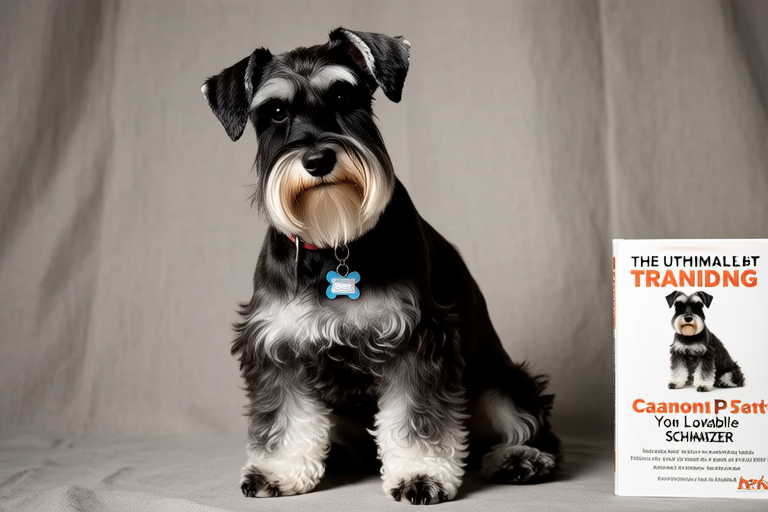
The Ultimate Guide to Training Your Lovable Schnauzer
Introduction
Welcome to the world of schnauzers! These intelligent, energetic, and loyal dogs are beloved companions for many families. Training your schnauzer effectively can lead to a well-behaved, happy dog that brings joy and companionship to your life. This guide will walk you through the steps necessary to train your schnauzer, focusing on positive reinforcement and practical advice.
Basic Obedience Training
Starting with basic commands is crucial for any dog’s training. Schnauzers are smart but can be stubborn at times, so consistency and patience are key. Here’s how to get started:
1. Start Early
Begin training as early as possible, ideally when your schnauzer is still a puppy. Early training helps establish good habits and reinforces your role as the leader.
2. Use Positive Reinforcement
Positive reinforcement involves rewarding your schnauzer for good behavior. This could be through treats, praise, or playtime. For example, if your schnauzer sits on command, immediately reward them with a treat and enthusiastic praise.
3. Teach Basic Commands
- “Sit”: Hold a treat above their head and move it back, encouraging them to sit. Once they sit, give the treat and say “good sit!”
- “Stay”: Start with short durations and gradually increase. Use a verbal cue like “stay” and a hand signal. Release them with another command like “come.”
- “Come”: Call your schnauzer by name followed by the “come” command. Reward them when they come to you.
- “Leave It”: Place a treat in your closed hand and let your schnauzer sniff it. Say “leave it” and wait until they stop trying to get the treat. Open your hand and give them a different treat as a reward.
Remember, consistency is vital. Practice these commands regularly and always end on a positive note.
Socialization Tips
Socializing your schnauzer is essential for their emotional well-being and ensures they grow up to be friendly and confident. Here are some tips:
Expose Them to Different Environments
Take your schnauzer to various places like parks, pet stores, and friends’ homes. This exposure helps them become accustomed to different sights, sounds, and people.
Introduce Them to Other Dogs
Dog parks and organized play dates can help your schnauzer learn appropriate social behaviors. Always supervise interactions to ensure safety.
Handle Gently
Teach your schnauzer to accept handling from others. Gently touch their paws, ears, and mouth during playtime. This makes grooming and vet visits easier.
By socializing your schnauzer properly, you’re setting them up for a happier, more adaptable life.
Common Behavioral Issues and Solutions
All dogs, including schnauzers, may exhibit certain behavioral issues. Here are some common ones and how to address them:
Barking Excessively
Schnauzers are known to bark, but excessive barking can be problematic. To curb this behavior, identify the triggers (e.g., strangers, noises) and work on desensitizing your schnauzer to these stimuli. Teaching the “quiet” command can also be effective.
Chewing Furniture
Chewing is natural for puppies but can damage furniture. Provide appropriate chew toys and redirect their attention when they start chewing on something they shouldn’t. Praise them when they chew on the right items.
Jumping Up
If your schnauzer jumps up on people, teach them an alternative behavior, such as sitting, when greeting. Ignore jumping and reward sitting instead.
Addressing these issues requires patience and consistent effort. Remember, positive reinforcement is key to changing unwanted behaviors.
Exercise Needs
Schnauzers are active dogs that require regular exercise to stay healthy and happy. Here’s how to meet their needs:
Physical Activities
Engage your schnauzer in activities like walking, running, and playing fetch. Aim for at least 30 minutes of physical activity daily.
Mental Stimulation
In addition to physical exercise, mental stimulation is important. Puzzle toys, training sessions, and agility courses can keep their minds sharp.
Outdoor Exploration
Allow your schnauzer to explore safe outdoor areas. This provides them with new smells and sights, enriching their experience.
Regular exercise not only keeps your schnauzer physically fit but also helps prevent behavioral problems associated with boredom or excess energy.
Dietary Considerations
A balanced diet is crucial for your schnauzer’s overall health. Here’s what you need to know about feeding your schnauzer:
Select Quality Dog Food
Choose high-quality dog food that meets your schnauzer’s nutritional needs. Look for brands that list meat as the primary ingredient and avoid those with fillers.
Monitor Portion Sizes
Overfeeding can lead to obesity, which can cause health issues. Follow the feeding guidelines provided by your dog food manufacturer, adjusting as needed based on your schnauzer’s activity level and weight.
Provide Fresh Water
Ensure your schnauzer has access to fresh water at all times. Hydration is vital for maintaining good health.
Consult with your veterinarian about specific dietary needs, especially if your schnauzer has any health conditions.
Conclusion
Training your schnauzer is a rewarding process that strengthens the bond between you and your furry friend. By following the steps outlined in this guide—focusing on basic obedience, socialization, addressing behavioral issues, ensuring proper exercise, and providing a balanced diet—you’ll have a well-trained, happy schnauzer. Remember, every schnauzer is unique, so adapt these strategies to suit your dog’s individual personality and needs. Enjoy the journey!
