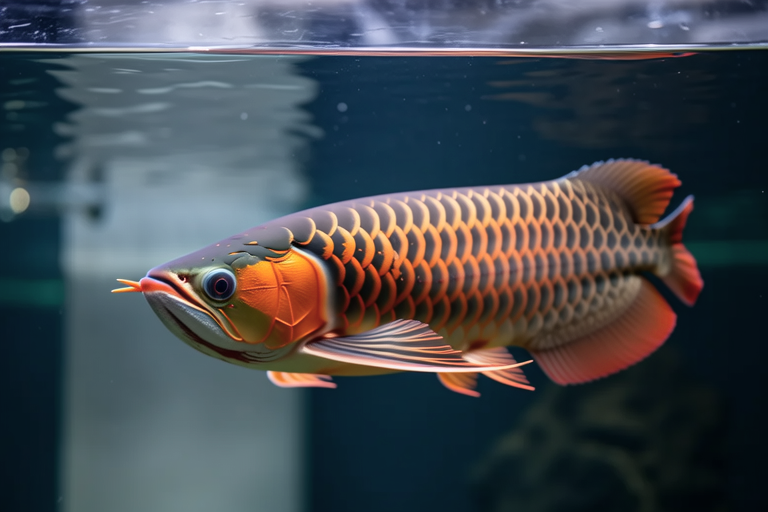
Unleashing the Mystery: Everything You Need to Know About Arowana Care
Arowanas, often referred to as ‘Dragon Fish,’ are among the most sought-after species in the aquarium hobby. These majestic creatures are not only visually stunning but also come with unique care requirements. This comprehensive guide aims to provide everything you need to know about arowana care, from understanding their natural habitat to maintaining their well-being in captivity.
Natural Habitat
Arowanas are native to South America, Africa, and parts of Asia, where they thrive in slow-moving rivers, floodplains, and swamps. They prefer waters with a pH level between 6.5 and 7.5, and temperatures ranging from 24°C to 30°C (75°F to 86°F). These fish are known for their aerial feeding behavior, often leaping out of the water to catch insects and small animals.
Ideal Tank Setup
Creating an environment that mimics their natural habitat is crucial for the well-being of arowanas. The tank should be spacious, with a minimum length of 1 meter (3 feet) per adult fish. Arowanas are active swimmers and require ample space to move around freely. The tank should be equipped with a powerful filtration system capable of handling high levels of waste and maintaining water quality.
Substrate can vary depending on personal preference, but sand or large gravel is recommended to prevent injuries from sharp edges. Decorations such as driftwood, rocks, and plants can be added to create hiding spots and enhance the aesthetic appeal of the tank. It’s important to ensure that all decorations are securely placed to prevent them from shifting under the fish’s weight.
Water Conditions
Water quality plays a significant role in the health of arowanas. Regular testing and maintenance are essential to ensure optimal conditions. The water temperature should be maintained between 24°C and 30°C (75°F to 86°F), with a pH level between 6.5 and 7.5. Ammonia and nitrite levels should be kept at zero, while nitrate levels should be below 20 ppm. Water hardness should be moderate, ideally between 5° and 12° dGH.
To maintain these conditions, regular water changes of 20-30% weekly are recommended. Use a high-quality dechlorinator when adding new water to the tank. Additionally, consider using a heater thermostat to keep the water temperature stable, especially during colder months.
Diet Requirements
Arowanas are carnivorous and have specific dietary needs. Their diet should consist primarily of live or frozen foods such as feeder fish, earthworms, bloodworms, and shrimp. Pellets and flakes can be offered as supplementary food, but these should not form the bulk of their diet. It’s important to note that arowanas have a tendency to overeat, so portion control is crucial to avoid obesity and related health issues.
Feeding Habits
Arowanas are opportunistic feeders and will eat whenever food is available. Feeding them once or twice a day is sufficient, with each meal consisting of what they can consume within 5 minutes. Overfeeding can lead to poor water quality and health problems. To encourage natural feeding behavior, it’s beneficial to scatter food across the surface of the water, allowing the fish to leap and catch their prey.
It’s important to monitor their feeding habits closely. If you notice any signs of reduced appetite or difficulty in swallowing, consult a veterinarian specializing in exotic fish. These behaviors could indicate underlying health issues that need prompt attention.
Common Health Issues
Despite their robust nature, arowanas are susceptible to certain health issues if not properly cared for. Common ailments include bacterial infections, parasitic infestations, and nutritional deficiencies. Symptoms of these conditions may include lethargy, loss of appetite, discolored fins, and visible parasites.
Preventive measures include maintaining excellent water quality, providing a balanced diet, and minimizing stress. Quarantine new additions to the tank for several weeks before introducing them to the main aquarium. This helps prevent the introduction of diseases and parasites that could affect the entire population.
Tips for Maintaining Their Well-Being
Maintaining the well-being of arowanas requires a combination of proper care and regular monitoring. Here are some additional tips to help ensure their health and happiness:
- Monitor Water Quality: Regularly test the water parameters and perform partial water changes to maintain optimal conditions.
- Provide Hiding Spots: Offer plenty of hiding places to reduce stress and promote natural behaviors.
- Limit Stress: Avoid sudden changes in water conditions or tank decor. Introduce new elements gradually to allow the fish to adjust.
- Observe Behavior: Regularly observe the fish’s behavior and appearance. Early detection of any abnormalities can lead to timely intervention.
- Consult Professionals: When in doubt, seek advice from experienced aquarists or veterinarians specializing in exotic fish.
Conclusion
Caring for arowanas is a rewarding endeavor that requires dedication and knowledge. By understanding their natural habitat, setting up an appropriate tank environment, and maintaining optimal water conditions, you can ensure the health and happiness of these magnificent creatures. With proper care, your arowanas will thrive, providing years of enjoyment and wonder.
