The Ultimate Guide to Keeping Red-Eared Sliders Happy and Healthy
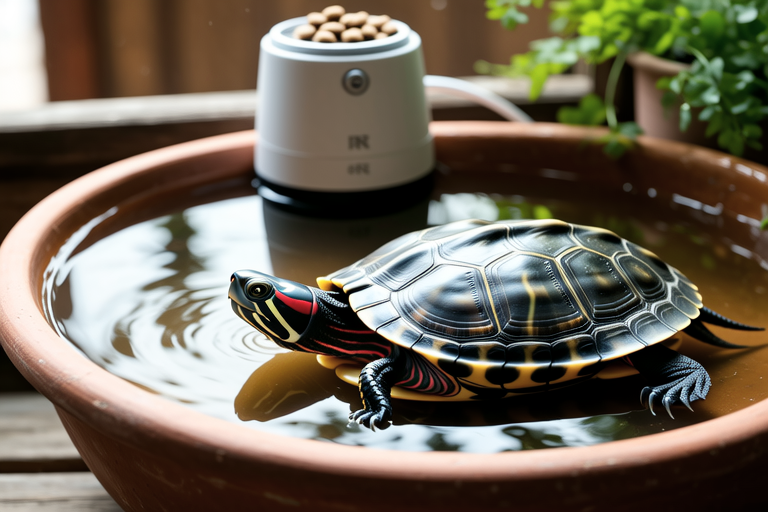
Red-eared sliders are one of the most popular turtle species kept as pets due to their vibrant appearance and relatively low maintenance requirements. However, to ensure they thrive, it’s crucial to provide them with an environment that mimics their natural habitat and meets all their biological needs. This comprehensive guide will walk you through setting up the perfect habitat, understanding their dietary needs, recognizing common health issues, and fostering a bond with your red-eared slider.
Habitat Setup
Water Quality
Proper water quality is fundamental for the well-being of red-eared sliders. These turtles spend most of their time in water, so maintaining clean and safe conditions is paramount. Use a large tank or pond, ensuring at least 10 gallons of water per inch of shell length for juveniles and 40 gallons for adults. A filtration system is essential to keep the water clear and free from harmful bacteria. Regular water changes (about 20-30% weekly) and cleaning of the filter are necessary to maintain optimal water quality.
Temperature
Red-eared sliders require specific temperature ranges to thrive. The water temperature should be maintained between 75°F and 80°F (24°C-27°C). A submersible heater can help regulate this temperature. Additionally, basking areas should be provided where the ambient air temperature ranges from 85°F to 90°F (29°C-32°C). This warmth is crucial for digestion and overall metabolism.
UV Lighting
Ultraviolet (UV) light is vital for red-eared sliders as it aids in calcium absorption and prevents metabolic bone disease. Install a full-spectrum UVB lamp over the basking area, ensuring it provides 10-12 hours of light daily. Replace the bulb every six months to maintain its effectiveness.
Diet
Types of Food
A balanced diet is key to keeping your red-eared slider healthy. Their diet should consist primarily of commercial turtle pellets, supplemented with fresh vegetables like romaine lettuce, kale, and carrots. Occasional treats of fruits such as berries or melon can also be offered. For protein, consider offering earthworms, crickets, or other small insects. Avoid feeding them iceberg lettuce or excessive amounts of animal-based proteins, which can lead to health problems.
Feeding Frequency
Younger turtles should be fed daily, while adult turtles can be fed every two to three days. Monitor their weight and adjust feeding accordingly to prevent obesity. Overfeeding can lead to digestive issues and reduce life expectancy.
Health Care
Common Diseases
Metabolic Bone Disease (MBD) is one of the most prevalent health issues in red-eared sliders. It results from insufficient calcium intake or inadequate UVB exposure. Symptoms include soft shells, swollen limbs, and difficulty moving. Another common issue is shell rot, caused by poor water quality or physical damage. Signs include discolored, soft, or decaying patches on the shell.
Signs of Illness
Regular observation is crucial for early detection of any health issues. Look out for lethargy, loss of appetite, swollen eyes, or unusual behavior. If you notice any of these signs, consult a veterinarian specializing in reptiles immediately. Early intervention can significantly improve recovery chances.
Tips for Handling and Bonding
Handling your red-eared slider should be done carefully to avoid stress and injury. Wash your hands before and after handling to prevent the spread of bacteria. Gradually introduce handling sessions to build trust. Spend time near the tank, talking softly or placing your hand gently in the water to get them accustomed to your presence. Over time, some sliders may become more comfortable around humans and even enjoy gentle interactions.
In conclusion, providing a suitable habitat, proper nutrition, regular health checks, and positive interactions are essential for keeping your red-eared slider happy and healthy. By following these guidelines, you’ll ensure your pet leads a fulfilling life, enriching both your relationship and theirs.
