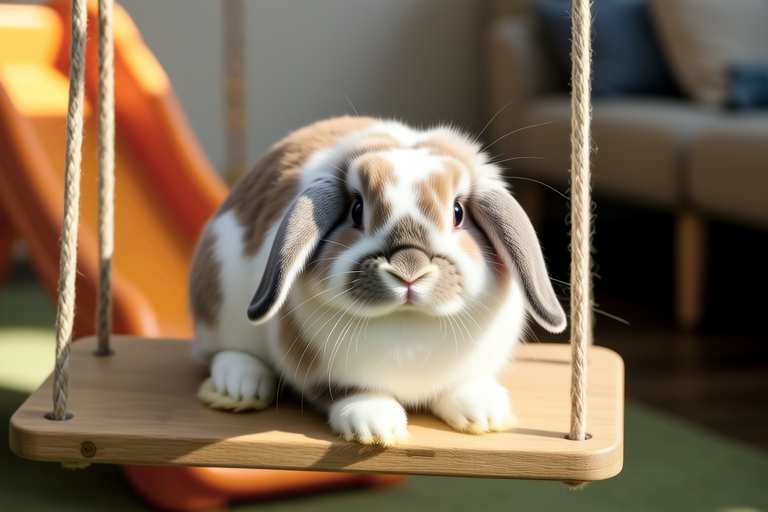
From Playgrounds to Couches: Inside Life with a Dutch Dwarf Rabbit
Dutch Dwarf Rabbits are one of the most popular pet rabbits in the world. Known for their compact size and charming personalities, these little creatures have captured the hearts of many animal lovers. This article delves into the unique characteristics of Dutch Dwarf Rabbits, their care requirements, living space adaptations, dietary specifics, and the strong bonds they form with their owners.
The Unique Characteristics of Dutch Dwarf Rabbits
Dutch Dwarf Rabbits are small, weighing between 2 to 3 pounds, making them ideal for apartment living. They come in a variety of colors, including black, white, chocolate, and blue. Their distinct markings set them apart; they have a white blaze that runs down the center of their face and a contrasting color on the rest of their body. This striking appearance makes them stand out among other breeds.
One of the most endearing traits of Dutch Dwarf Rabbits is their playful nature. They are curious and love to explore their surroundings. Their small size allows them to fit into tight spaces, which can be both a blessing and a challenge for their owners. They are also known for their gentle demeanor, making them perfect companions for children and adults alike.
Care Requirements
Proper care is essential for the health and happiness of your Dutch Dwarf Rabbit. Regular grooming is necessary to keep their coat healthy and free from mats. Dutch Dwarfs shed twice a year, so during these periods, you may need to brush them more frequently. Bathing is generally unnecessary unless absolutely required, as it can cause stress and strip their natural oils.
Veterinary care is crucial. Like all pets, Dutch Dwarf Rabbits require regular check-ups to ensure they are in good health. Spaying or neutering is recommended to prevent certain health issues and unwanted litters. Additionally, providing proper dental care is vital since rabbits’ teeth grow continuously throughout their lives.
Living Space Adaptations
Dutch Dwarf Rabbits need ample space to move around and exercise. While they are small, they still require a large enough area to stretch their legs and hop. A spacious cage or hutch is essential for their well-being. The living area should include multiple levels to encourage climbing and exploring. Providing ramps and tunnels can help stimulate their minds and bodies.
When it comes to playtime, Dutch Dwarfs enjoy running around in a safe, enclosed area. A designated playpen or room with rabbit-proofed furniture and obstacles can serve as a playground. Supervised time outside of their enclosure is beneficial for mental and physical stimulation. Owners should always supervise their rabbits to ensure their safety.
Cozy resting spots are equally important. Dutch Dwarfs appreciate soft bedding materials like hay, fleece, or towels for their sleeping areas. Creating a comfortable hideaway within their enclosure can provide them with a sense of security. It’s also advisable to offer different types of bedding to see what your rabbit prefers.
Diet Specifics
Feeding a balanced diet is key to maintaining a Dutch Dwarf Rabbit’s health. Their diet should consist primarily of hay, which provides essential fiber for digestion and helps wear down their constantly growing teeth. Fresh vegetables and fruits can be offered in moderation as treats. It’s important to introduce new foods gradually to avoid digestive upset.
Commercial rabbit pellets can be provided in limited quantities, as they are high in calories and low in fiber. Overfeeding pellets can lead to obesity and related health problems. Fresh water should always be available, and it’s advisable to use a water bottle rather than a bowl to prevent contamination.
Potatoes and rhubarb should be avoided as they can be toxic to rabbits. It’s also important to consult with a veterinarian or a qualified nutritionist to tailor a diet specific to your rabbit’s needs. Understanding what your rabbit enjoys eating can help you create a varied and nutritious meal plan.
The Bond with Owners
Dutch Dwarf Rabbits can develop strong bonds with their owners. They are social animals that thrive on interaction and attention. Spending quality time with your rabbit, whether through play or simply sitting together, can strengthen this bond. Many owners report that their Dutch Dwarfs become affectionate, seeking out cuddles and scratches.
Training your rabbit can also enhance the bond. Teaching basic commands like coming when called or using a litter box can make life easier for both you and your pet. Positive reinforcement techniques, such as offering treats and praise, are effective ways to train your rabbit.
Tips for Potential Owners
Before bringing a Dutch Dwarf Rabbit into your home, consider the following tips:
- Research thoroughly: Learn about the breed’s specific needs and challenges to ensure you’re prepared for ownership.
- Prepare the environment: Set up a safe and comfortable living space before bringing your rabbit home.
- Choose the right breeder: Select a reputable breeder who prioritizes the health and well-being of their animals.
- Consider adopting: There are many rescue organizations that house Dutch Dwarf Rabbits in need of homes.
- Be patient: Building a relationship with your rabbit takes time and effort.
Real-Life Experiences
Jane, a first-time rabbit owner, shares her experience with her Dutch Dwarf Rabbit, Binky. “Binky was nervous at first, but with patience and gentle handling, he began to trust me. He loves playing in his tunnel system and will often come to me for petting. I’ve learned that consistency and routine are key to keeping him happy.”
Mark, who has owned several Dutch Dwarfs over the years, emphasizes the importance of enrichment. “Providing toys and activities keeps my rabbits mentally stimulated. They especially enjoy chasing balls and digging in a sandbox. It’s amazing how much joy they get from simple things.”
In conclusion, Dutch Dwarf Rabbits are delightful companions that bring joy and companionship to their owners. With the right care, living space, and diet, these small rabbits can thrive and form deep bonds with their human families. Whether you’re a seasoned pet owner or considering adding a rabbit to your household, Dutch Dwarfs offer a unique and rewarding experience.
